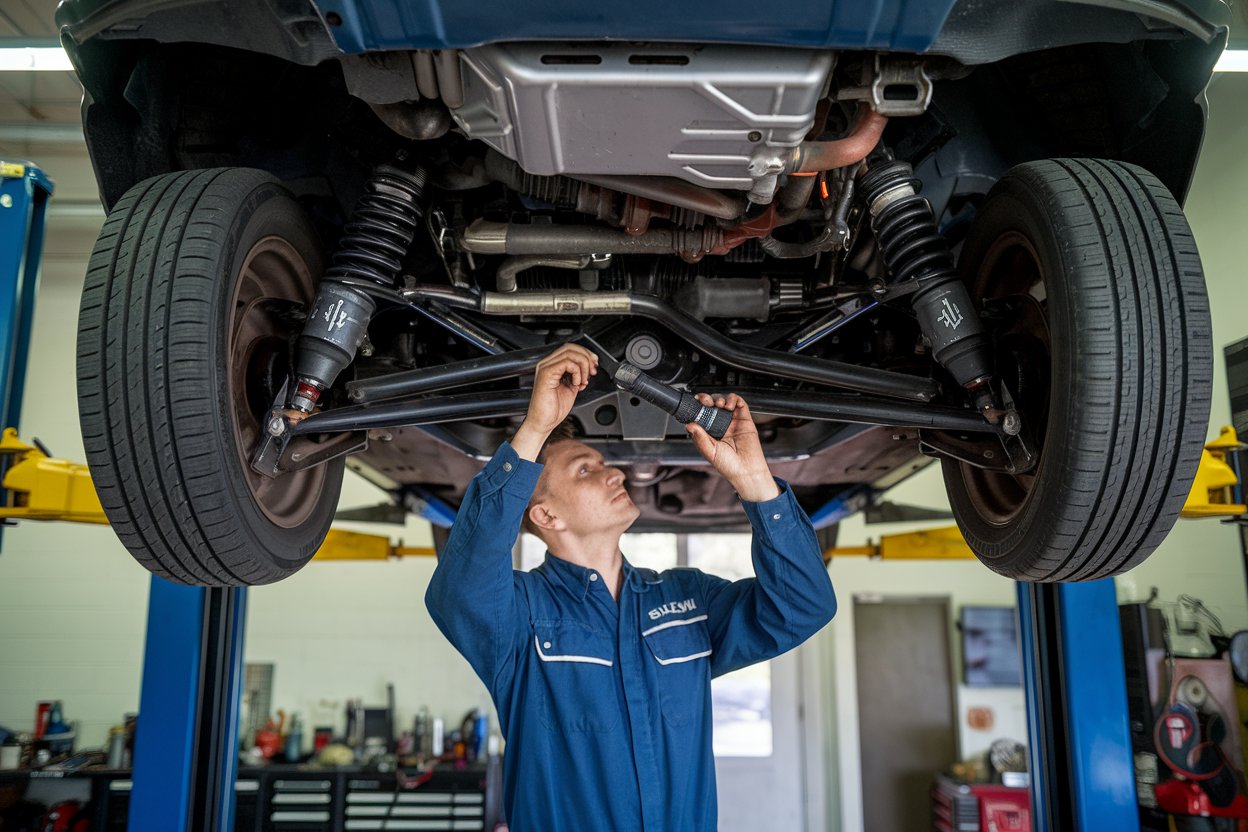
5 Signs Your Suzuki Suspension Needs Replacement in 2025
Your Suzuki suspension system is essential for a smooth and safe driving experience. It absorbs shocks, keeps your tires in contact with the road, and ensures stability while turning. However, like any other vehicle component, your Suzuki suspension wears out over time. Ignoring worn-out suspension parts can lead to poor handling, increased braking distances, and even potential safety hazards.
In this article, we’ll discuss five clear signs that your Suzuki suspension needs attention, helping you maintain a comfortable and controlled ride.
1. Excessive Bouncing and Rough Ride
If your Suzuki feels overly bouncy or shaky while driving, even on relatively smooth roads, it could be a sign of worn-out shocks or struts. Your Suzuki suspension is designed to absorb bumps and keep your ride stable. If your car continues to bounce after hitting a pothole or speed bump, your suspension is no longer providing proper shock absorption.
How to Test It:
- Press down firmly on the hood or trunk of your car. If the vehicle bounces more than two or three times before settling, your Suzuki suspension likely needs attention.
2. Uneven Tire Wear
Your tires should wear down evenly across their surface over time. However, if you notice excessive wear on one side, bald spots, or patchy tread patterns, this could be a sign that your Suzuki suspension system is failing.
How Suspension Affects Tire Wear
Your Suzuki’s suspension is responsible for keeping all four wheels evenly balanced and in proper alignment with the road. When suspension components—such as shocks, struts, ball joints, or control arms—become worn out, they can cause misalignment, leading to uneven tire wear.
Why Uneven Tire Wear Matters
- Reduced Traction: Worn tires struggle to grip the road, making braking and cornering more dangerous.
- Lower Fuel Efficiency: Misalignment forces the engine to work harder, increasing fuel consumption.
- Expensive Repairs: Uneven tire wear shortens tire lifespan and can damage wheel bearings and axles.
What to Do If You Notice Uneven Tire Wear
- Get a suspension inspection to check for worn-out components.
- Rotate your tires regularly to even out wear.
- Ensure proper wheel alignment to prevent further damage.
By addressing suspension-related tire wear early, you can improve your Suzuki handling and extend the life of your tires. 🚗💨
3. Drifting or Pulling During Turns
Your Suzuki’s suspension system is designed to keep your vehicle stable and balanced while turning. However, if you notice that your car leans excessively, drifts, or pulls to one side when making turns, this could be a sign of failing suspension components.
Possible Causes of Drifting or Pulling
- Worn-Out Shocks and Struts: These components stabilize the car, and when they fail, they allow excessive body roll.
- Deteriorated Suspension Bushings: Worn bushings can cause excessive movement in the suspension system, leading to instability.
- Poor Wheel Alignment: A damaged suspension system can cause wheel misalignment, making the car pull to one side.
Why This Problem Is Dangerous
⚠ Loss of Vehicle Control – A car that pulls during turns is harder to steer, increasing the risk of accidents.
⚠ Uneven Tire Wear – Excessive body roll and misalignment cause uneven pressure on the tires, leading to faster deterioration.
⚠ Increased Braking Distance – Poor suspension can affect weight distribution when braking, making it harder to stop safely in emergencies.
How to Fix Suspension-Related Drifting or Pulling
Test the Power Steering System – Sometimes, power steering issues can mimic suspension problems. Make sure your steering fluid levels and components are in good condition.
Inspect and Replace Worn Shocks and Struts – If they’re no longer absorbing impacts effectively, it’s time for a replacement.
Check Suspension Bushings – If they’re cracked or degraded, replacing them can restore stability.
Get a Wheel Alignment – If your car pulls to one side even on a straight road, an alignment check is essential.
4. Nose Dives When Braking
Does your Suzuki lurch forward when you apply the brakes? This is a telltale sign of weak shocks or struts.
How This Affects Safety
- A bad suspension system can increase stopping distances by up to 20%, making sudden braking more dangerous.
- This is especially hazardous in emergency situations, where fast stopping is essential.
Solution:
If you experience excessive nosediving when braking, have a mechanic inspect your Suzuki’s suspension system immediately.
5. Leaking or Damaged Shocks and Struts
The shock absorbers and struts in your Suzuki’s suspension contain hydraulic fluid that helps dampen vibrations. If you notice fluid leaks near these components, they may be failing.
How to Spot It:
- Look under your car for oily or greasy stains near the suspension.
- Check for cracks, dents, or broken parts on the shocks and struts.
Ignoring leaks can lead to a completely ineffective suspension system, making your Suzuki unsafe to drive.
Final Thoughts
Your Suzuki’s suspension system is crucial for a comfortable and safe ride. If you notice excessive bouncing, uneven tire wear, drifting, nosediving, or leaking shocks, it’s time to get your suspension checked by a professional.
Why You Should Act Now:
✔ Improves overall ride quality for a smoother drive.
✔ Enhances vehicle handling and safety, reducing accident risks.
✔ Prevents costly repairs, saving you money on tire replacements and other components.
Don’t wait until your suspension completely fails! Schedule a professional inspection today and keep your Suzuki running smoothly. 🚗💨
FAQs
By keeping an eye on these warning signs, you can ensure a safe, comfortable, and efficient driving experience with your Suzuki. Stay ahead of suspension problems and drive with confidence!