Welding Machine 101: How to Choose the Right One for Your Projects
Whether you’re just stepping into the world of metal fabrication or looking to upgrade your existing workshop, selecting the right welding machine is one of the most important decisions you’ll make. The type of welder you choose can directly affect the quality of your work, the ease of operation, and even the overall cost of your projects.
From MIG welders designed for beginners who want quick and clean results, to TIG machines that deliver unmatched precision and high-quality finishes, and even rugged Stick welders built for heavy-duty industrial use, there’s a wide range of options available. Each type of machine has its strengths, limitations, and ideal use cases.
Key Factors to Consider Before Buying a Welding Machine
1. Material Type and Thickness
Different metals and thicknesses require different welding methods. For example, MIG is excellent for mild steel, TIG is perfect for stainless steel and aluminum, while Stick welding handles thicker or rusted materials better.
2. Power Requirements
Some machines run on a standard 220V outlet, while others may need industrial 3-phase power. Make sure your workshop’s electrical supply can handle the machine you choose.
3. Duty Cycle
The duty cycle indicates how long a machine can run before it needs to cool down. A higher duty cycle is crucial for long, continuous welds or professional jobs.
4. Portability vs. Stationary Use
If you often move between job sites, a compact inverter welder is ideal. For heavy-duty fabrication, a larger stationary unit will deliver more consistent performance.
5. Budget and Brand Reliability
Investing in a reputable brand ensures durability, after-sales support, and availability of spare parts. While budget options exist, a slightly higher investment often pays off in reliability and quality.
Best Welding Machines for Different Users
- For Beginners & Hobbyists: A small MIG welder with an easy-to-use wire feed system.
- For Professional Fabricators: TIG welders with advanced controls for precision work.
- For Outdoor & Heavy-Duty Work: Stick welders that can handle tough conditions and thicker metals.
Maintenance & Safety Tips
- Regularly clean nozzles, tips, and electrodes for consistent performance.
- Always wear proper protective gear: helmet, gloves, jacket, and safety boots.
- Store machines in dry, ventilated spaces to avoid moisture damage.
- Check cables and connections frequently to prevent hazards.
Comparing Popular Welding Machine Types
🔹 MIG Welding Machines
MIG (Metal Inert Gas) welders are an excellent choice for beginners because they are fast, easy to operate, and produce clean results. They use a wire feed system along with shielding gas, making them ideal for projects that demand speed and neat welds. However, they do require a constant supply of shielding gas, which may not be practical in windy outdoor environments.
🔹 TIG Welding Machines
TIG (Tungsten Inert Gas) welders are the go-to option for professionals and detail-oriented users. They allow for precise control, making them perfect for welding stainless steel, aluminum, and other thin or delicate metals. While TIG welding requires more skill and practice compared to MIG, it delivers high-quality, aesthetically pleasing finishes.
🔹 MMA / Stick Welding Machines
Also known as Stick welders, MMA machines are tough, versatile, and built to handle challenging conditions. They work well outdoors and can weld rusty, dirty, or painted metals with ease. Because they don’t require external shielding gas, they are highly practical for fieldwork, repairs, and heavy-duty applications.
🔹 Inverter Technology and Its Benefits
Modern inverter-based welders have transformed the welding industry. Compared to traditional transformer machines, inverter welders are:
- Lighter and more portable
- More energy-efficient, reducing electricity costs
- Equipped with advanced controls for smoother, more stable arcs
- Easier to transport, making them suitable for both workshops and on-site jobs
Featured Welding Machines on Purchaser.com
1. INGCO Inverter MAG/MIG/MMA/TIG Lift Welding Machine (MGT1601)
- Input Voltage: 220–240V single-phase
- Output Current: 30–160A (MAG/MIG), 10–160A (MMA/TIG)
- Features: Built-in wire feeder, supports 5Kg wire spool
- Best for: Multi-process welding in small to medium workshops
2. INGCO Inverter TIG/MMA Welding Machine (TIG1601)
- Output Current: 15–160A (TIG), 15–140A (MMA)
- Features: Comes with electrode holder, earth clamp, helmet, and wire brush
- Best for: Precision TIG welding with added stick-welding versatility
3. INGCO Inverter MMA Welding Machine 500A (MMA5008)
- Input Voltage: 380–400V three-phase
- Duty Cycle: 500A @ 60%
- Best for: Heavy-duty industrial welding requiring high amperage performance
4. INGCO Inverter MMA Welding Machine 630A (MMA6308)
- Output Current: 20–630A
- Best for: Maximum power applications in large-scale fabrication projects
5. TOTAL Inverter MMA Welding Machine (TW21306)
- Weight: Lightweight 5Kg portable design
- Best for: Hobbyists and quick on-site repair jobs
Choosing the Right Welding Machine for Your Needs
Selecting the right welding machine goes beyond simply comparing technical specifications. The ideal choice depends on your skill level, work environment, and project requirements. A machine that perfectly suits a home workshop may fall short in an industrial setting, while a heavy-duty welder could be excessive for a hobbyist. Matching features with actual needs ensures better performance, efficiency, and value for money.
🔹 For Hobbyists and Small Workshops
If you’re just starting out or only weld occasionally, you don’t need an overly complex or expensive machine. A lightweight inverter MMA unit or a compact MIG welder will be more than enough for small-scale projects. For example, the TOTAL Inverter MMA Welding Machine (TW21306) is portable, user-friendly, and reliable—making it ideal for home repairs, DIY fabrication, or artistic metalwork.
What to Look For:
- Compact size and lightweight design (ideally under 10Kg)
- Simple controls for quick and easy setup
- Affordable pricing without compromising safety
- Low to medium amperage output (up to 160A) suitable for thin metals and light jobs
🔹 For Professional Fabricators
Fabricators and workshop owners require machines that deliver versatility, power, and efficiency. A multi-process inverter welder, such as the INGCO Inverter MAG/MIG/MMA/TIG Lift (MGT1601), offers the flexibility to switch between different welding techniques without investing in multiple machines. This is especially valuable in workshops handling varied projects.
What to Look For:
- Multi-process capability (MIG, TIG, MMA in one machine)
- Duty cycle above 40% for longer weld runs
- Adjustable settings for precise control over weld quality
- Compatibility with different electrodes, filler rods, and wire sizes
- Built-in wire feeder for added convenience
🔹 For Heavy Industrial Use
Large-scale fabrication, shipbuilding, or construction projects demand robust, high-performance welding machines capable of working for extended periods without overheating. Models like the INGCO Inverter MMA 500A (MMA5008) or MMA 630A (MMA6308) are purpose-built for these conditions, offering massive amperage and durability.
What to Look For:
- Three-phase power input for industrial-grade performance
- Amperage output above 500A for welding thick materials
- High duty cycle (60% or more) to support continuous operation
- Strong cooling and thermal protection systems to prevent overheating
- Heavy-duty casing and components for rugged work environments
Safety Tips When Using Welding Machines
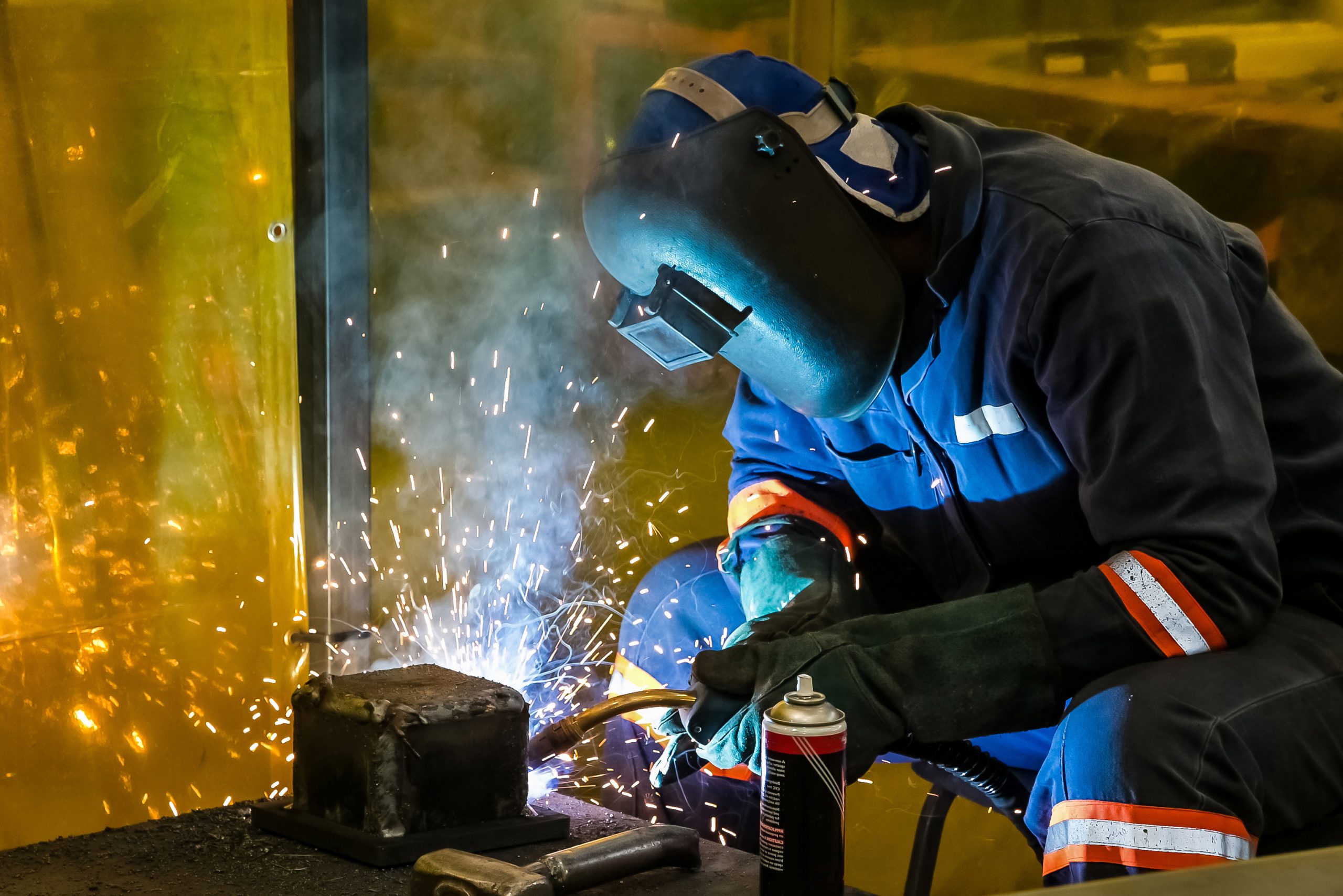
Even the most advanced welding machine cannot guarantee your safety unless you follow proper precautions. Welding exposes you to intense heat, harmful radiation, electrical hazards, and toxic fumes, so preparation and awareness are essential. By combining the right protective gear with a safe working environment, you can reduce risks and focus on achieving clean, strong welds.
🔹 Essential PPE (Personal Protective Equipment)
Welding requires more than just skill—it demands the right gear to keep you safe:
- Welding Helmet: Use an auto-darkening lens to shield your eyes and face from UV/IR radiation and sudden arc flashes.
- Flame-Resistant Gloves: Heavy-duty gloves protect hands from sparks, spatter, and heat.
- Protective Clothing: Wear long-sleeve cotton or leather garments instead of synthetic fabrics, which can melt and stick to your skin.
- Safety Boots: Steel-toe boots provide protection from falling metal and prevent burns from sparks.
- Hearing Protection: In noisy environments, use earplugs or earmuffs to avoid long-term hearing damage.
🔹 Safe Work Environment Setup
A safe workspace is just as important as personal protection. Before you strike an arc:
- Ensure Proper Ventilation: Welding fumes can be harmful; use fans, fume extractors, or work outdoors if possible.
- Keep a Fire Extinguisher Nearby: Sparks can ignite materials quickly—be ready to act immediately.
- Remove Flammable Objects: Clear the area of paper, fuel, chemicals, and other combustibles.
- Use Welding Curtains: Protect nearby workers from arc flash exposure.
- Ground Your Equipment: Proper grounding reduces the risk of electric shock.
Maintenance and Care for Your Welding Machine
Proper maintenance not only extends your machine’s lifespan but also ensures reliable performance and minimizes costly downtime.
🔹 Regular Cleaning and Inspection
- Clean the Exterior: Wipe down the machine after each use to remove dust, grease, and debris.
- Inspect Cables: Look for cracks, cuts, or frayed insulation that could cause hazards.
- Check Connections: Tighten any loose plugs, clamps, or fittings to prevent power loss or overheating.
- Clear Ventilation Ports: Use compressed air to remove dust buildup that could affect cooling.
🔹 Storing Your Welding Machine Properly
- Choose a Dry, Cool Place: Protect the machine from moisture to avoid rust and electrical damage.
- Avoid Heavy Loads: Don’t place heavy items on top of the welder to prevent structural damage.
- Store Consumables Correctly: Keep electrodes, wires, and filler rods in sealed containers to protect them from moisture.
- Cover When Idle: Use a dust cover or sheet to prevent dirt accumulation when not in use.
FAQs About Welding Machines
Conclusion: Invest in the Right Welding Machine Today
Choosing the right welding machine is a balance between power, portability, and process compatibility. Whether you’re a hobbyist needing a portable MMA unit or an industrial welder requiring high-amperage three-phase power, there’s a machine designed for your needs.
Purchaser.com offers a wide range of welding machines from trusted brands like INGCO and TOTAL, ensuring you find the perfect match for your projects. Investing in the right machine today means better results, fewer frustrations, and a tool that will serve you for years to come.
For more product details and the latest prices, visit Purchaser.com and explore the complete selection of welding solutions.