
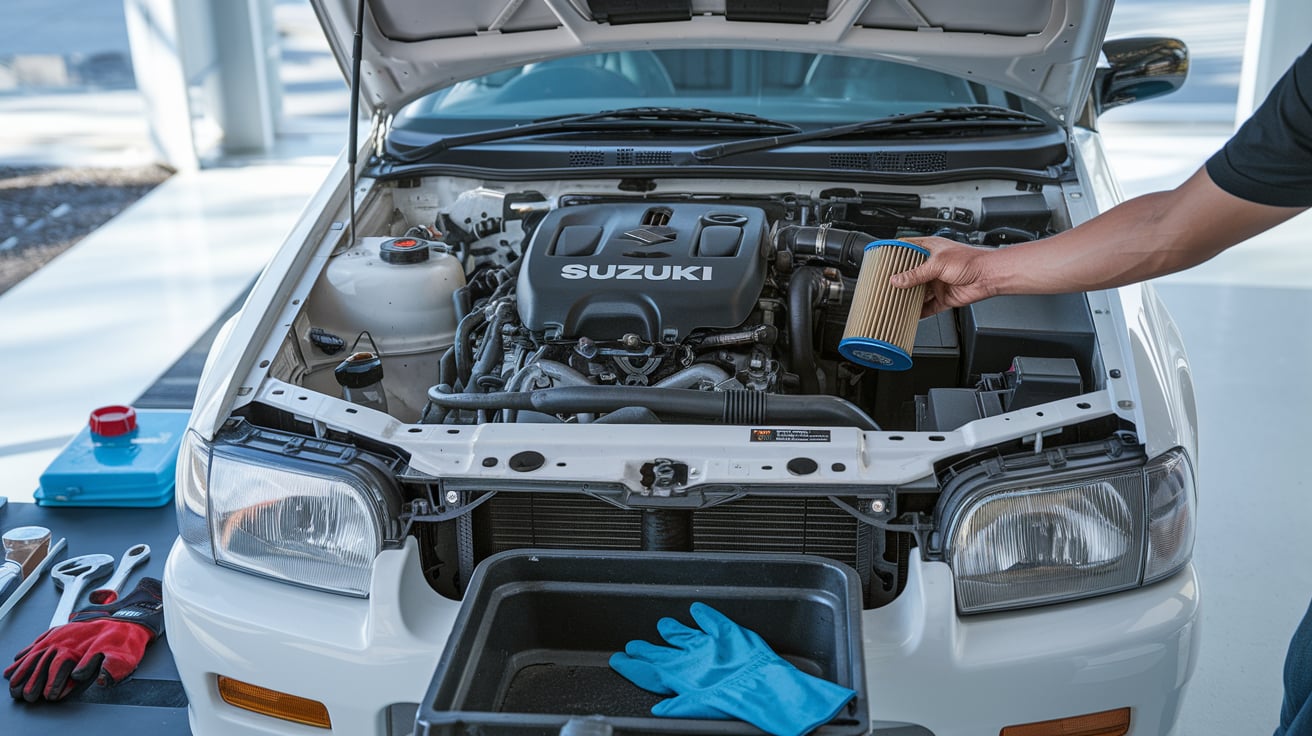
Suzuki Wagon R Oil Filter Replacement Guide – Save Money and Do It Yourself
The Suzuki Wagon R oil filter plays a vital role in keeping your engine clean and running smoothly. Acting as a barrier, it traps contaminants like dirt, metal particles, and sludge from circulating with the engine oil. Over time, these impurities can wear down engine components, reduce fuel efficiency, and even cause permanent damage.
Without a functioning oil filter, your Wagon R’s engine is vulnerable to buildup and poor lubrication. That’s why understanding and maintaining your oil filter is essential for your car’s health and longevity.
How the Oil Filter Works in Your Suzuki Wagon R
The oil filter in your Suzuki Wagon R is a crucial component of the engine’s lubrication system. Its primary role is to ensure that the engine oil circulating through the system remains clean, free of impurities, and effective in maintaining smooth engine performance. Although it’s often small in size, the oil filter plays a massive role in preserving the health of your engine.
1. Capture Contaminants
Every time your engine runs, it generates contaminants such as microscopic metal shavings, carbon particles, and dirt. These pollutants mix with the engine oil and, if left unchecked, can cause accelerated wear on engine parts.
The oil filter traps and holds these contaminants in its fine mesh or pleated media, which is often made from cellulose, synthetic fibers, or a blend of both. This prevents the debris from circulating back into the engine and causing damage.
By removing particles as small as 20 microns—which are virtually invisible to the naked eye—the oil filter ensures your oil stays as clean as possible for optimal engine performance.
2. Regulate Oil Flow
In addition to cleaning the oil, the filter is engineered to maintain a steady oil flow through the engine. It does this with the help of a pressure relief valve, which opens if the filter becomes clogged or if the oil is too thick in cold conditions. This prevents oil starvation, ensuring that all critical components like the crankshaft, camshaft, pistons, and bearings continue to receive lubrication.
Without this function, a blocked oil filter could halt the flow entirely, leading to severe engine damage in just minutes.
3. Support Engine Cooling
Another underrated function of the oil filter is to aid in temperature control. When engine oil is clean and free of particles, it moves smoothly and reduces friction between metal parts. This efficient movement not only ensures better lubrication but also helps to carry away excess heat from the engine.
By helping maintain clean oil, the filter indirectly supports the engine’s cooling system, especially during long drives or high-performance conditions.
Construction and Design
Most Suzuki Wagon R models use either a spin-on oil filter (which includes a filter element sealed in a metal canister) or a cartridge-style filter that fits into a reusable housing. The filter medium inside—usually folded into pleats—provides a large surface area to capture and hold contaminants.
Other components include:
- Anti-drain back valve: Prevents oil from draining out of the filter when the engine is off, ensuring quick lubrication upon startup.
- Bypass valve: Allows oil to bypass the filter if it becomes too clogged, ensuring that the engine is not starved of oil.
Together, these features make the oil filter not just a passive component, but an active guardian of your engine’s health.
Recommended Oil Filter Types for Suzuki Wagon R
Choosing the right oil filter for your Suzuki Wagon R is essential for maintaining optimal engine performance and longevity. The correct filter ensures your engine oil remains clean, flows properly, and delivers maximum protection against wear and tear. However, not all oil filters are created equal. Different model years and engine configurations of the Wagon R may require different types of filters, so it’s important to select one that fits your specific vehicle.
Understanding Oil Filter Types
There are two primary types of oil filters used in Suzuki Wagon R models:
- Spin-On Filters: These come as a self-contained unit with the filter media enclosed in a metal canister. They are easy to install and replace, making them a popular choice in older and simpler engine designs.
- Cartridge Filters: These are more commonly found in newer Wagon R models. The cartridge is inserted into a filter housing and requires more careful installation but is considered more eco-friendly due to less waste and better inspection capability.
Additionally, filters can vary by the media used inside—typically:
- Cellulose filters: Economical and good for short intervals.
- Synthetic blend filters: Offer better filtration and extended life.
- Fully synthetic filters: Provide the best performance, especially for high-mileage or turbocharged engines.
Top Oil Filter Brands for Suzuki Wagon R
Here are some highly recommended options for Wagon R owners:
| Brand | Model Compatibility | Filter Type | Special Features |
|---|---|---|---|
| Bosch | Wagon R 1.0 & 1.2L | Spin-on | High dirt-holding capacity, durable anti-drain back valve |
| Fram | Wagon R (2005–2023) | Cartridge | SureGrip coating for easier installation, excellent filtering media |
| Purolator | All models | Synthetic blend | Premium performance, ideal for extended oil change intervals |
| Mahle | Select variants | Spin-on | OE quality, used by many vehicle manufacturers |
| Mobil 1 | Wagon R petrol engines | Cartridge | Long-life synthetic filter, up to 20,000 km protection |
| MANN-FILTER | Newer Wagon R models | Cartridge | German-engineered, consistent oil flow and filtration |
OEM vs Aftermarket Filters
- OEM Filters (Original Equipment Manufacturer) are designed specifically for Suzuki Wagon R models and offer peace of mind with guaranteed compatibility.
- Aftermarket Filters may offer better pricing or longer-lasting performance, but always verify fitment and quality. Trusted brands like Bosch, Fram, and MANN-FILTER often exceed OEM specs.
Tips for Choosing the Right Oil Filter
- Check your owner’s manual for the specific filter part number and specifications.
- Know your engine model: 1.0L, 1.2L, or other variants may require different filters.
- Consider your driving conditions: Frequent short trips or dusty environments may require filters with higher filtration efficiency.
- Don’t compromise on quality: Cheap filters may save money upfront but could lead to engine problems down the road.
By choosing a high-quality oil filter that suits your Suzuki Wagon R’s specific engine type and driving conditions, you not only ensure smoother engine performance but also extend the lifespan of your vehicle. Always cross-reference your selected filter with reliable automotive sources or consult a trusted mechanic to avoid any compatibility issues.
Step-by-Step Preparation Before the Replacement
Proper preparation ensures your oil filter replacement goes smoothly and safely. Here’s a detailed guide to get everything ready before you begin:
- Park on a Level Surface and Let the Engine Cool
Start by choosing a flat, stable surface to park your Suzuki Wagon R. This not only ensures safety but also helps in draining the oil completely. Allow the engine to cool for at least 20–30 minutes to avoid burns from hot oil or engine components. - Engage the Handbrake and Lift the Vehicle Securely
Pull the handbrake firmly. If necessary, place wheel chocks behind the rear wheels to prevent the car from rolling. Use a jack to lift the front of the car and support it with jack stands or use ramps for better stability and access. - Place the Drain Pan Under the Oil Plug
Locate the oil drain plug beneath the engine and position a large drain pan directly underneath. This pan will collect the old oil when you release the drain plug, helping to avoid spills on your driveway or garage floor. - Wear Gloves to Protect Your Hands from Hot Oil and Grime
Engine oil can be dirty, hot, and irritating to the skin. Wearing gloves not only protects your hands but also makes clean-up easier afterward. - Keep Your Tools Within Arm’s Reach
Organize all your tools and supplies (wrenches, oil filter, funnel, new oil, rags) nearby so you don’t need to move around once the process begins. Efficiency and convenience are key to a smooth operation.
Pro Tip: Lay down an old blanket or piece of cardboard under the car to keep your work area clean.
How to Locate the Oil Filter in a Suzuki Wagon R
Finding the oil filter is one of the first steps in the replacement process. Its exact position can vary slightly depending on your specific engine model and year, but here’s where to look:
- Look Underneath the Engine Bay
Pop the hood and crawl under the front of the car with a flashlight if necessary. The oil filter is usually attached directly to the engine block. - Identify the Filter Type
- If it’s a spin-on filter, it will look like a small, round metal canister.
- If it’s a cartridge filter, you’ll see a plastic cap or housing that holds the filter element inside.
- Use Your Manual or Online Resources
Consult your Suzuki Wagon R’s service manual or search for vehicle-specific videos online to get a clearer idea of the location and orientation. Each model year might have slight variations.
DIY Oil Filter Removal Process
- Drain the Engine Oil
Use a wrench to carefully remove the oil drain plug and allow the old oil to fully drain into the pan. Be cautious—hot oil can splash. - Remove the Old Oil Filter
Use an oil filter wrench to grip the old filter. Turn it counterclockwise until it loosens. Expect some residual oil to spill out as you remove it. - Check for the Old Gasket
Make sure the rubber gasket from the old filter didn’t stick to the engine. If it remains attached, remove it to prevent double-gasketing, which can lead to leaks. - Clean the Mounting Surface
Wipe down the area where the new filter will be installed to ensure a clean and tight seal.
Note: Old filters can be slippery—use a steady hand and a firm grip.
Installing the New Suzuki Wagon R Oil Filter
- Lubricate the Gasket
Dab a bit of clean engine oil on the new filter’s rubber gasket. This helps form a tight seal and makes removal easier next time. - Screw On the New Filter
Install the new filter by hand. Turn it until it’s snug, then give it an extra 1/4 to 1/2 turn. Do not overtighten—this can damage the gasket or the threads. - Reinstall the Oil Drain Plug
Once the old oil is fully drained, replace the plug and tighten it securely. Make sure the washer is in good condition to avoid leaks.
Changing the Engine Oil Along with the Filter
Now that the old oil and filter are removed and replaced:
- Add Fresh Engine Oil
Insert a funnel into the oil fill cap and pour in the new engine oil slowly, as per the quantity specified in your owner’s manual. - Check the Oil Level
Use the dipstick to verify the oil level is within the recommended range. Add more oil if necessary. - Start the Engine
Let the engine run for 3–5 minutes. Watch for any warning lights and listen for unusual noises. - Inspect for Leaks
Check around the oil filter and drain plug for any signs of oil leakage. - Top Up if Needed
Turn off the engine, wait a few minutes, and recheck the oil level. Add a little more oil if required.
Post-Replacement Checks and Tips
Once the replacement is complete:
- Tighten and Recheck Everything
Make sure all bolts, caps, and fittings are snug and properly sealed. - Record the Service Date
Note down the date and current mileage. This helps you stick to a regular maintenance schedule. - Properly Dispose of Old Oil and Filter
Store the used oil in a sealed container and take it, along with the old filter, to a recycling center or auto parts store that accepts hazardous waste. - Monitor Oil Levels
For the next few days, keep an eye on the oil level and engine performance to catch any issues early.
Common Mistakes to Avoid During Oil Filter Replacement
Avoiding these common errors can save you from leaks and engine trouble:
- Overtightening the Filter – Leads to a damaged gasket and difficult removal.
- Skipping Gasket Lubrication – Increases the risk of poor sealing and future leaks.
- Mixing Different Oil Types – Can compromise performance and protection.
- Changing Oil Without Filter (or vice versa) – Reduces the effectiveness of your maintenance.
- Leaving the Old Gasket Behind – A double gasket can cause a serious leak.
Take your time and double-check each step.
Cost Comparison: DIY vs Professional Service
Replacing the Suzuki Wagon R oil filter and oil at home is not just easy—it can also save you a significant amount of money compared to a professional service.
| Task | DIY Cost (PKR) | Professional Cost (PKR) |
|---|---|---|
| Oil Filter | PKR 2,200 – PKR 4,200 | Included in service |
| Engine Oil | PKR 5,600 – PKR 8,400 | PKR 11,200 – PKR 16,800 |
| Labor | Free | PKR 7,000 – PKR 14,000 |
| Total | PKR 7,800 – PKR 12,600 | PKR 18,200 – PKR 31,200 |
How Often Should You Replace Your Oil Filter?
Regular oil filter replacement is crucial for engine health. For the Suzuki Wagon R, follow these guidelines:
- Every 6,000 to 10,000 kilometers, or during every oil change.
- Replace it more frequently if you drive in dusty, high-traffic, or extreme temperature conditions.
- Always refer to your owner’s manual for the manufacturer’s recommendation.
Keeping a consistent schedule will help your engine run smoother, longer, and more efficiently.
Environmental Considerations – Disposing of Old Oil and Filter
Proper disposal of used engine oil and oil filters is not just a good habit—it’s a legal and environmental responsibility. Used motor oil contains harmful contaminants like heavy metals and combustion residues that can severely pollute soil and water if not handled properly.
Here’s how you can dispose of these materials responsibly:
- Never Pour Oil Down the Drain or on the Ground
Pouring oil into a sink, sewer, or onto the soil can lead to serious environmental hazards. Just one liter of oil can contaminate up to one million liters of water. - Use a Sealed Container for Storage
After draining, pour the used oil into a clean, sealed plastic container with a secure lid. Empty oil containers or dedicated oil recycling bottles work best. - Drain the Used Oil Filter
Let the oil filter drain over your drain pan for several hours. Once the oil has completely dripped out, place the used filter in a sealed plastic bag. - Take It to a Recycling Center or Auto Parts Store
Many local auto repair shops, oil change stations, or waste disposal facilities offer free recycling for used oil and filters. Check online or with your municipality for the nearest collection point. - Avoid Mixing with Other Fluids
Don’t mix motor oil with brake fluid, coolant, or other substances, as this complicates the recycling process and may make the waste non-recyclable.
Remember: Being eco-friendly with your Suzuki Wagon R’s maintenance is just as important as saving money. It protects the environment and keeps your community safe and clean.
Additional Maintenance Tips for Suzuki Wagon R Owners
Taking care of your Suzuki Wagon R doesn’t stop at oil changes. Here are more essential maintenance practices to keep your vehicle running efficiently and reliably:
- Check and Replace Air Filters Regularly
A clean air filter improves engine performance and fuel efficiency. Inspect it every 10,000 km and replace it if it’s dusty or clogged. - Inspect Spark Plugs
Worn or dirty spark plugs can cause misfires, rough idling, and decreased fuel economy. Replace them every 30,000 to 50,000 km or as specified in your owner’s manual. - Monitor Coolant Levels and Condition
Ensure the coolant reservoir is filled to the proper level and the coolant appears clean. Overheating can cause serious engine damage. - Stick to a Maintenance Log
Keep a record of all services, including dates, mileage, and parts replaced. This not only helps you stay on schedule but also adds value if you decide to sell the car. - Never Skip Service Intervals
Regular servicing as per the manufacturer’s recommendations helps catch issues early, improves performance, and extends the life of your Wagon R.
By staying proactive with your maintenance, you’ll enjoy a smoother, safer ride while avoiding costly repairs down the road.
Troubleshooting After Oil Filter Replacement
Even after a successful DIY oil filter and oil change, it’s important to stay alert for any signs that something may not be right. Here’s what to look for and how to address potential issues:
- Oil Leaks
- What to Check: Look around the oil filter and drain plug.
- Possible Causes: Loose filter, damaged gasket, or improperly tightened drain plug.
- Solution: Re-tighten or reinstall the component, ensuring proper fit.
- Unusual Engine Noises
- What to Check: Listen for knocking, ticking, or tapping sounds after the engine starts.
- Possible Causes: Low oil level or lack of oil circulation.
- Solution: Turn off the engine and check oil level immediately. Add oil if needed.
- Dashboard Warning Lights
- What to Check: Oil pressure warning light or check engine light.
- Possible Causes: Inadequate oil pressure, clogged oil passages, or sensor issues.
- Solution: Confirm oil level, inspect for leaks, and consult a mechanic if the light stays on.
Quick Tip: Always let the engine run for a few minutes after replacing the filter and oil, then recheck for any drips or changes in oil level.
By catching and correcting issues early, you’ll prevent potential engine damage and ensure your Suzuki Wagon R stays in peak condition.
FAQs about Suzuki Wagon R Oil Filter Replacement
Final Thoughts
Replacing your Suzuki Wagon R oil filter at home is an easy and affordable way to take charge of your car’s health. With just a few tools and a little time, you can boost your engine’s life, performance, and efficiency.
Now that you know how to do it yourself, why not give it a try this weekend?


