Best Suzuki Clutch Plate Replacement Cost in 2025 – Don’t Overpay!
The clutch plate is one of the most essential components of any manual transmission vehicle, including Suzuki models widely used across Pakistan. Whether you’re navigating the bustling streets of Karachi, the congested roads of Lahore, or cruising through the quieter lanes of smaller towns, the smooth functioning of your clutch system directly impacts your driving experience. In a country where daily commutes are filled with stop-and-go traffic, flyovers, and hilly terrains, understanding how your clutch plate works—and why it matters—is not just good knowledge, it’s a necessity.
What is a clutch plate?
A clutch plate is a disc-like component situated between the engine and the transmission system. Its primary role is to engage and disengage the engine from the transmission, allowing the driver to change gears effectively. When you press the clutch pedal, the clutch plate disconnects the power flow from the engine to the wheels, enabling you to shift gears smoothly without causing damage to the gearbox.
Here’s a simple way to look at it: the clutch plate acts like a switch. When it’s engaged, power flows from the engine to the wheels, propelling the car forward. When it’s disengaged, that flow is interrupted, giving you a chance to shift gears or come to a halt without stalling the engine.
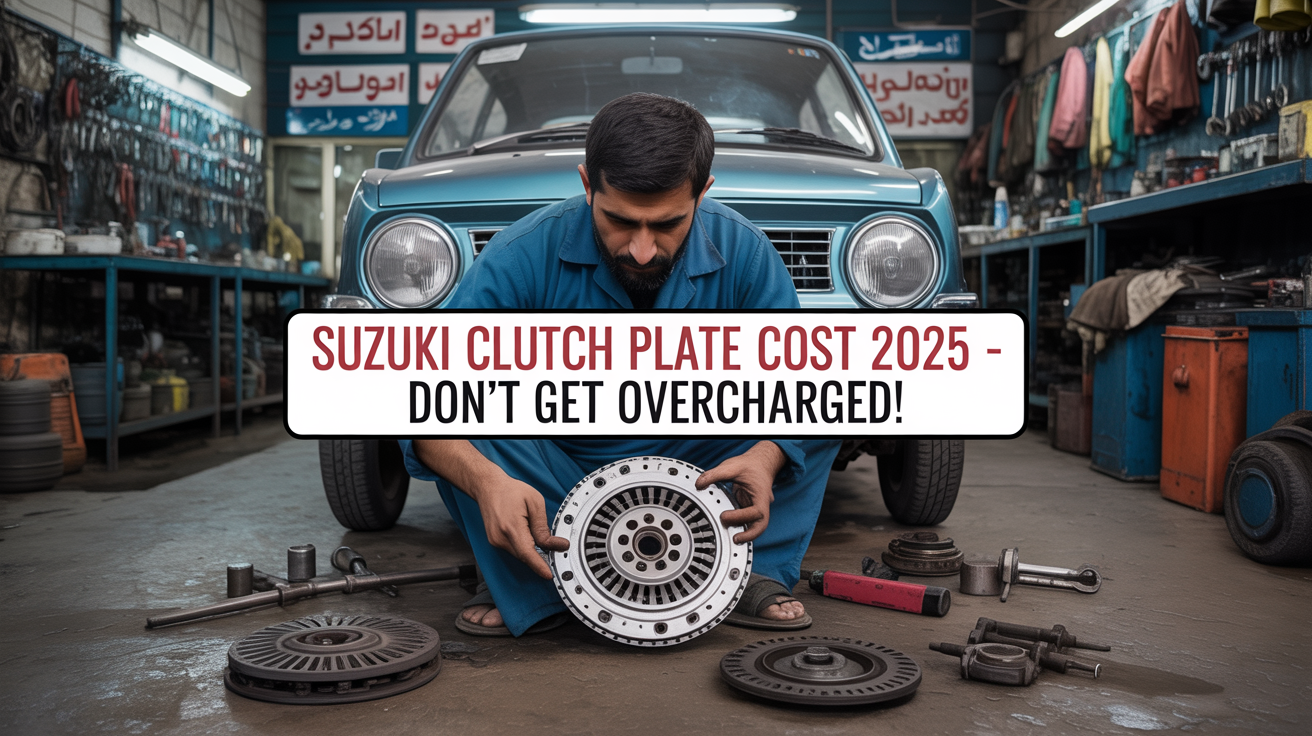
In technical terms, the clutch plate is sandwiched between the pressure plate and the flywheel. It is covered with a friction material that helps it grip tightly during engagement. Over time, this friction material wears down due to constant use—especially in urban driving conditions—leading to reduced efficiency and the need for replacement.
Why does it matter in Suzuki vehicles?
Suzuki vehicles are among the most popular choices in Pakistan, particularly due to their affordability, fuel efficiency, and ease of maintenance. From the compact Suzuki Alto to the family-friendly Cultus and the versatile Wagon R, these cars are common on roads across the country. However, they still rely heavily on mechanical components like the clutch plate to function correctly.
In everyday Pakistani driving conditions—think bumper-to-bumper traffic, frequent gear changes in hilly areas like Murree, or heat-intense summers—the clutch plate is under constant pressure. Poor clutch performance can lead to jerky movements, stalling, difficulty in gear shifts, and even complete breakdowns.
Specifically for Suzuki vehicles:
- Suzuki Alto (Manual & AGS): Lightweight but often used in cities with tight parking and frequent gear shifts. The AGS variant still uses a clutch system managed by an actuator, meaning clutch wear still occurs.
- Suzuki Cultus: Popular among ride-hailing drivers and families; high mileage can lead to quicker clutch plate wear.
- Suzuki Wagon R: Often fully loaded with passengers or cargo, putting additional strain on the clutch.
In short, a well-functioning clutch plate is not just a luxury—it’s a necessity. Ignoring signs of wear or delaying replacement can lead to more expensive repairs, safety risks, and inconvenient breakdowns, especially in remote or high-traffic areas.
If you drive a Suzuki vehicle in Pakistan, regularly checking your clutch’s condition and understanding its importance can save you time, money, and hassle in the long run.
Signs You Need a Clutch Plate Replacement
Your vehicle’s clutch plate doesn’t fail suddenly—it gives you signs. Recognizing these early warnings can help you avoid major mechanical issues, high repair bills, and roadside breakdowns. For Pakistani Suzuki vehicle owners, especially those driving in high-traffic urban areas like Karachi, Lahore, or Islamabad, these signs are particularly important to watch out for.
Difficulty in shifting gears
One of the first and most obvious signs of a worn-out clutch plate is trouble shifting gears. You might notice:
- A stiff or hard clutch pedal
- Grinding noises when engaging a gear
- Resistance or delay while changing gears
If it feels like the gears are “sticking” or not slipping in smoothly—especially when moving from first to second or into reverse—this likely indicates that your clutch plate is no longer gripping properly. For Suzuki Alto and Cultus drivers who regularly deal with congested traffic, this symptom often shows up sooner due to frequent gear shifting.
Burning smell or unusual noises
A burning smell coming from the engine bay—especially after prolonged stop-and-go driving—is another major warning sign. This smell usually results from the clutch slipping and generating excess heat, which burns the friction material on the clutch plate.
Other sounds to watch out for:
- Clicking or chirping sounds while pressing the clutch pedal
- A “whining” sound while the clutch is engaged
These noises often point to worn-out clutch components or misalignment. Ignoring these can damage not only the clutch plate but also related parts like the pressure plate, release bearing, or flywheel.
Reduced acceleration and mileage
A worn clutch can cause a noticeable drop in power transfer from the engine to the wheels. If your Suzuki feels sluggish even though the engine sounds fine—or the RPM rises without a proportional increase in speed—it likely means the clutch is slipping.
You may also notice:
- The car doesn’t accelerate smoothly
- Fuel efficiency drops sharply
- The engine feels like it’s working harder than usual
In places like hilly northern areas or while overtaking on highways, this power loss can be especially dangerous. It’s a sure sign that your clutch needs immediate attention.
Suzuki Vehicle Models Affected Most by Clutch Plate Issues
Clutch plate wear is common in all manual transmission vehicles, but some Suzuki models in Pakistan are more prone to quicker wear due to their usage patterns, weight design, and market segments. Let’s look at how specific models are affected:
Suzuki Alto
As one of Pakistan’s top-selling cars, especially in its AGS and manual versions, the Alto is often used for city driving. This means frequent gear changes, short stops, and low-speed navigation—all of which put consistent pressure on the clutch plate.
Key factors contributing to faster clutch wear in Alto:
- Lightweight build with less torque handling capacity
- Use by new or inexperienced drivers
- Common use in ride-hailing services
Suzuki Cultus
The Cultus, particularly the EFI and VXL variants, is popular among families and Uber/Careem drivers. With high mileage usage and continuous urban driving, Cultus vehicles often face clutch plate issues within 50,000–70,000 kilometers.
Why it’s vulnerable:
- Heavier than Alto, so more load on the clutch
- Commonly used with CNG, which alters power delivery and increases wear
- Often driven in stop-and-go traffic in major cities
Suzuki Wagon R
The Wagon R is known for its spacious design and tall-boy frame. This makes it a favorite for family use, commercial loading, or ride-sharing. But this added weight—especially when carrying multiple passengers or driving in inclined areas—can speed up clutch deterioration.
Things to note:
- More torque needed in hilly areas (e.g., Murree, Abbottabad)
- Tends to stall or jerk if the clutch is weak
- Slightly more expensive to repair due to gear and engine positioning
Suzuki Mehran
Even though production has stopped, thousands of Mehrans still operate across Pakistan. These vehicles, being older and usually maintained at local workshops, often have worn-out clutch plates that are ignored until failure.
What causes early wear:
- Outdated design with minimal engine protection
- Common use of low-quality or kabli parts
- Delayed maintenance and poor clutch handling habits
If you own any of these Suzuki models, paying close attention to your clutch’s performance isn’t optional—it’s crucial for safe, smooth, and economical driving. Replacing the clutch plate at the first sign of trouble can save you from more extensive repairs later on.
What Factors Affect Clutch Plate Replacement Cost in Pakistan?
Original vs. aftermarket parts
Genuine Suzuki parts cost more but offer better durability. Chinese or local alternatives are cheaper but may wear out sooner.
Labor charges in different cities
Mechanic charges vary widely. In Karachi or Lahore, labor can cost more due to higher demand, while smaller cities might offer cheaper service.
Engine size and model complexity
Larger engines or vehicles with complex setups (like the newer AGS models) may incur higher replacement costs.
How to Avoid Being Overcharged
When it comes to clutch plate replacement, especially for Suzuki vehicles in Pakistan, being well-informed can mean the difference between a fair price and an overpriced bill. Many car owners—especially first-time Suzuki buyers—unknowingly overpay for parts or services due to a lack of awareness or reliance on untrustworthy mechanics. Here’s how you can protect your wallet and your vehicle.
Verify genuine Suzuki parts
Genuine parts may cost a bit more upfront, but they ensure long-term durability, smoother performance, and compatibility with your Suzuki model. Unfortunately, many local markets in Pakistan are flooded with counterfeit or substandard components that are cleverly disguised to look original.
Here’s how to make sure you’re getting the real deal:
- Ask for the original packaging with Suzuki branding and holograms.
- Check the part number and compare it with Suzuki’s official part catalog (available at authorized service centers or online).
- Request a receipt with a clear mention of the part’s authenticity.
- Avoid vague descriptions like “Japanese,” “imported,” or “first copy”—these often signal replicas or kabli parts.
Buying genuine parts ensures your clutch plate will perform optimally and won’t need frequent replacement, saving you money in the long run.
Ask for a detailed receipt
Never accept a verbal estimate or lump-sum bill. A proper receipt with itemized costs helps you:
- Understand what exactly you’re paying for (clutch plate, labor, gear oil, etc.)
- Compare with other service providers
- Hold the garage accountable if something goes wrong
A detailed bill should include:
- Part names and quantities
- Price of each item (with brand mentioned)
- Labor charges
- Service tax or additional fees (if any)
This transparency makes it easier to avoid hidden costs or inflated labor charges, which are common in smaller workshops or roadside mechanics.
Visit authorized dealerships vs. local mechanics
Choosing between authorized Suzuki dealerships and local workshops depends on your budget and risk tolerance.
Authorized Suzuki service centers offer:
- Trained technicians certified by Suzuki
- 100% genuine spare parts with warranty
- Standardized pricing and service protocols
- Customer support and post-service guarantees
However, they may charge higher labor fees compared to independent garages.
Local mechanics, on the other hand, are:
- More flexible with pricing
- Easily accessible in most neighborhoods
- Sometimes offer kabli parts to reduce costs
The key is to balance cost with trust. If you go with a local mechanic, ensure they have a good reputation, show transparency in billing, and offer a warranty on their work—even if informal.
Recommended Garages and Dealers in Pakistan
Whether you prefer official channels or experienced independent garages, Pakistan offers a range of options for reliable clutch plate replacement. Here are some trusted names across major cities:
Suzuki authorized service centers
Almost every major city in Pakistan has multiple Suzuki 3S dealerships offering Sales, Service, and Spare parts. Some well-known centers include:
- Suzuki Central Motors – Karachi
- Suzuki Ravi Motors – Lahore
- Suzuki Capital Motors – Islamabad
- Suzuki Kohinoor Motors – Rawalpindi
Benefits:
- Use of genuine Suzuki parts
- Transparent pricing and billing
- Manufacturer-backed service warranty
- Skilled and certified technicians
Though these centers may be slightly more expensive, they provide peace of mind—especially for newer vehicles under warranty.
Top-rated independent garages
Not all local garages are unreliable. Many independent service providers in Pakistan have built solid reputations based on trust, affordability, and experience. A few notable ones include:
- Auto Club Karachi
Located in PECHS, this garage specializes in Suzuki, Honda, and Toyota models. Known for transparent billing and timely service. - Carachi Autos Lahore
A go-to choice for budget-conscious drivers in Lahore, offering clutch repairs, diagnostics, and quality kabli parts with a service guarantee. - Imran Motors Islamabad
Located near G-10, this garage offers full diagnostics and clutch replacement for most local models. Well-reviewed for Suzuki vehicle services.
These independent garages are often recommended on local car forums like PakWheels and OLX Auto, where customers share firsthand experiences.
Pro Tip: Before choosing a garage, check for Google Reviews, PakWheels threads, or ask in local Facebook auto groups for recommendations. It takes just a few minutes but could save you thousands in service costs or bad part replacements.
By staying informed, verifying parts, demanding transparent billing, and choosing trusted service centers, you can avoid being overcharged and ensure your Suzuki continues to run reliably on Pakistani roads.
Frequently Asked Questions (FAQs)
Conclusion
The Suzuki Clutch Plate Replacement Cost in 2025 varies by location, parts, and labor, but being informed helps you save significantly. Knowing the signs, average prices, and best practices ensures you don’t overpay or compromise your safetyA little research and asking the right questions can save you thousands of rupees. Whether you’re in Karachi or Peshawar, the key is clarity, caution, and confidence.