
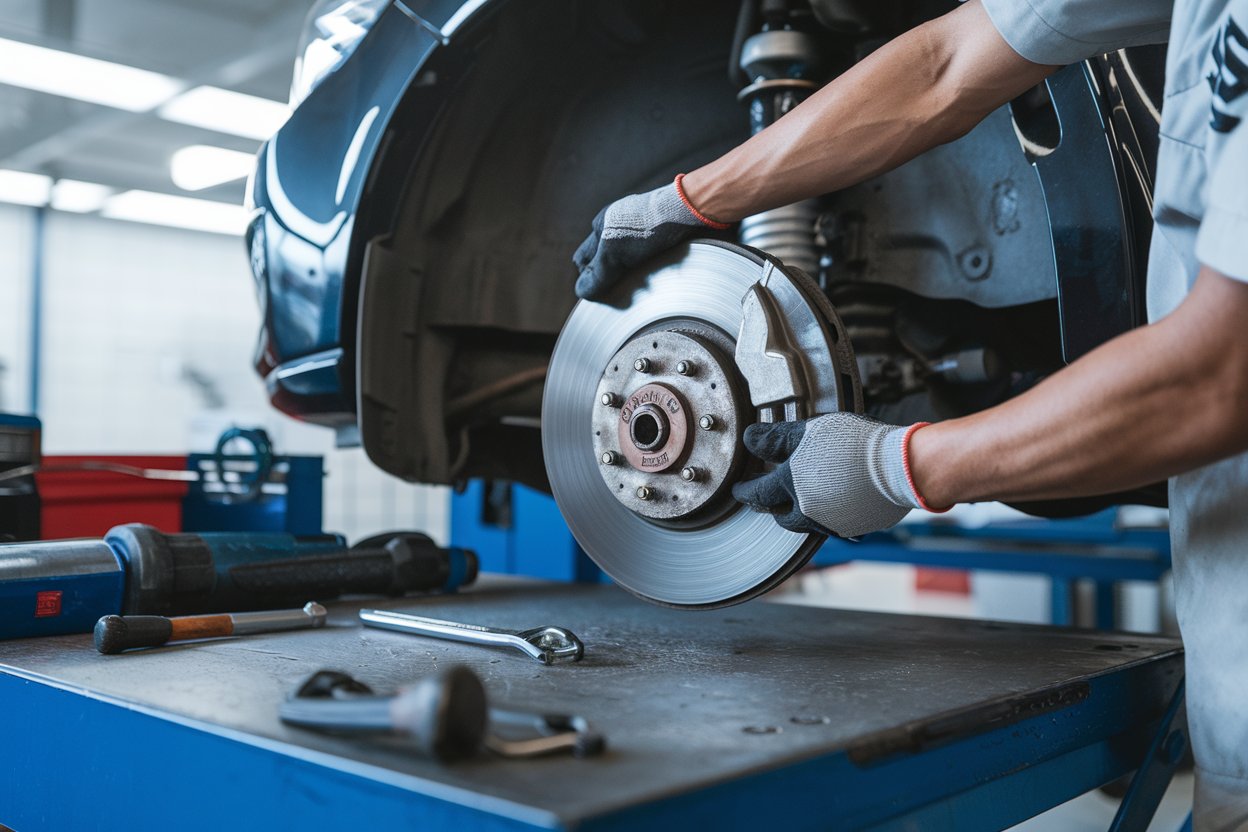
A Beginner’s Guide to Replacing Suzuki Spare Parts at Home in 2025
Maintaining your Suzuki vehicle is crucial for ensuring longevity and optimal performance. While professional services are available, replacing suzuki spare parts at home can save you significant money and time. This guide will walk you through the necessary tools, common part replacements, and best practices for DIY Suzuki car maintenance.
Benefits of Replacing Suzuki Spare Parts Yourself
✔ Cost Savings: Avoid high service center labor costs.
- One of the biggest advantages of replacing Suzuki spare parts yourself is the potential savings. Mechanics and service centers often charge high labor fees, which can significantly increase the overall cost of repairs. By doing it yourself, you only pay for the parts, reducing expenses while still maintaining your vehicle’s performance.
✔ Convenience: Fix your car at your own pace.
- Scheduling an appointment at a service center can be time-consuming, and waiting for repairs to be completed can disrupt your daily routine. By replacing parts at home, you have full control over the timing and pace of repairs. Whether you prefer to handle small fixes over the weekend or need a quick part replacement before a trip, DIY maintenance provides unmatched flexibility.
✔ Skill Development: Learn and gain confidence in vehicle maintenance.
- Working on your Suzuki car allows you to develop valuable mechanical skills and a deeper understanding of how your vehicle functions. Over time, you’ll gain confidence in troubleshooting minor issues, performing routine maintenance, and even handling more complex repairs. This knowledge can save you money in the long run and reduce dependency on professional mechanics.
✔ Customization: Choose the best quality parts according to your preference.
When you replace spare parts yourself, you have full control over the quality and type of components used. Whether you prefer OEM (Original Equipment Manufacturer) parts for reliability or high-performance aftermarket parts for better durability and efficiency, DIY repairs allow you to make informed choices that best suit your vehicle’s needs and budget.
Essential Tools for DIY Suzuki Repairs
Before replacing any part, having the right tools is crucial for ensuring a smooth and safe repair process. Investing in quality tools will not only make the job easier but also improve efficiency and reduce the risk of damaging vehicle components. Below is a list of essential tools and their purposes:
| Tool | Purpose |
|---|---|
| Socket wrench set | Used to loosen and tighten nuts and bolts of various sizes. A ratchet wrench with different socket attachments is essential for working on different parts of your Suzuki, such as the engine, suspension, and wheels. |
| Screwdrivers (Flathead & Phillips) | Required for removing and installing screws in various components like the battery terminals, interior panels, and headlights. Having multiple sizes ensures compatibility with different screw types. |
| Jack and jack stands | Helps lift the car off the ground for undercarriage work, such as replacing brake pads, tires, or oil changes. Jack stands are crucial for safety, as they provide stability while working underneath the car. |
| Pliers (Regular & Needle-nose) | Useful for gripping, twisting, pulling, and cutting small components like hoses, clips, and electrical wires. Needle-nose pliers are particularly helpful for reaching tight spaces. |
| Torque wrench | Ensures that bolts and nuts are tightened to the manufacturer’s recommended torque specifications, preventing over-tightening or under-tightening, which could lead to part failure. |
| WD-40 or lubricant | Helps loosen rusted, stuck, or corroded parts, making it easier to remove old bolts, screws, and other components. It also protects metal parts from rust and corrosion. |
| Gloves and safety glasses | Protects hands from cuts, burns, and chemical exposure. Safety glasses prevent dust, metal shavings, or other debris from getting into your eyes while working on your vehicle. |
| Work light or flashlight | Provides proper visibility, especially when working in dimly lit areas such as under the car or inside the engine bay. |
| Funnel and oil drain panNeeded when replacing engine oil, coolant, or other fluids to ensure a mess-free process and proper disposal of old fluids. | |
| Multimeter | Essential for diagnosing electrical issues, testing battery voltage, and checking fuses or wiring connections. |
Additional Recommended Tools
- Breaker bar: Provides extra leverage for loosening stubborn bolts, such as those on wheel lug nuts.
- Trim removal tool: Helps remove plastic clips and panels without causing damage.
- Magnetic tray: Keeps screws, bolts, and small parts organized to prevent losing them during repairs.
- Battery terminal cleaner: Ensures a proper connection by removing corrosion buildup on battery terminals.
Step-by-Step Guide to Replacing Common Suzuki Spare Parts
Replacing common Suzuki spare parts yourself can save time and money while helping you better understand your vehicle. Below is a step-by-step guide for replacing essential parts like the air filter, spark plugs, engine oil, brake pads, and battery.
1. Replacing the Air Filter
📌 Time Required: 10-15 minutes
📌 Tools Needed: None or a screwdriver (depending on the model)
Steps:
- Locate the air filter box – Open the car hood and find the air filter housing, usually a rectangular or round box near the engine.
- Remove the cover – Unclip or unscrew the housing cover to access the old air filter.
- Take out the old air filter – Carefully lift the old filter out, noting its orientation.
- Inspect the new filter – Compare it with the old one to ensure it matches in size and shape.
- Insert the new air filter – Place it inside the housing in the correct position.
- Secure the housing cover – Clip or screw the cover back into place.
✅ Pro Tip: Replace your air filter every 10,000-15,000 km or sooner if driving in dusty conditions.
2. Changing the Spark Plugs
📌 Time Required: 20-30 minutes
📌 Tools Needed: Spark plug socket, ratchet wrench, extension bar, torque wrench
Steps:
- Locate the spark plugs – Open the hood and find the spark plug wires or ignition coils (usually 3 or 4, depending on the Suzuki model).
- Remove the ignition wires or coils – Carefully pull them off to expose the spark plugs.
- Unscrew the old spark plugs – Use a spark plug socket and ratchet wrench to loosen and remove them.
- Check and gap the new spark plugs – Ensure the new plugs are pre-gapped to the manufacturer’s specifications.
- Install the new spark plugs – Screw them in by hand first, then tighten them with a torque wrench to avoid over-tightening.
- Reconnect the ignition wires or coils – Secure them back in place.
✅ Pro Tip: Always use OEM-recommended spark plugs for optimal performance and replace them every 30,000-50,000 km.
3. Changing the Engine Oil and Oil Filter
📌 Time Required: 30-45 minutes
📌 Tools Needed: Oil drain pan, wrench, funnel, new oil filter, fresh engine oil
Steps:
- Warm up the engine – Run the car for a few minutes to make the oil flow easily.
- Lift the car – Use a jack and jack stands to safely elevate the vehicle.
- Place an oil drain pan under the car – Position it beneath the oil drain plug.
- Remove the drain plug – Use a wrench to unscrew it and let the old oil drain completely.
- Replace the oil filter – Unscrew the old oil filter and install a new one, applying a thin layer of oil to the rubber gasket before tightening.
- Refill with new engine oil – Use a funnel to pour fresh oil into the engine, following the manufacturer’s recommended oil type and quantity.
- Check the oil level – Use the dipstick to ensure the oil level is correct.
✅ Pro Tip: Change your oil and oil filter every 5,000-10,000 km, depending on driving conditions and oil type.
4. Replacing Brake Pads
📌 Time Required: 1-2 hours
📌 Tools Needed: Jack, jack stands, lug wrench, socket set, C-clamp, new brake pads
Steps:
- Loosen the lug nuts – Use a lug wrench to slightly loosen the wheel nuts before jacking up the car.
- Lift the car and remove the wheel – Use a jack and secure the vehicle on jack stands.
- Remove the brake caliper – Use a socket wrench to unscrew the caliper bolts and carefully slide the caliper off.
- Take out the old brake pads – Note their placement before removing them.
- Push back the caliper piston – Use a C-clamp to gently press the caliper piston back to make room for the new pads.
- Install the new brake pads – Place them in the same position as the old ones.
- Reattach the caliper – Bolt it back into place and ensure it’s secure.
- Reinstall the wheel – Tighten the lug nuts and lower the car.
- Pump the brake pedal – Before driving, press the brake pedal a few times to set the new pads.
✅ Pro Tip: Replace brake pads every 40,000-50,000 km, or sooner if you hear squeaking or notice reduced braking performance.
5. Replacing the Battery
📌 Time Required: 10-20 minutes
📌 Tools Needed: Wrench, gloves, safety glasses
Steps:
- Turn off the engine – Ensure the car is off and keys are removed.
- Disconnect the negative terminal – Use a wrench to loosen and remove the negative (-) battery cable first.
- Disconnect the positive terminal – Remove the positive (+) cable.
- Take out the old battery – Carefully lift it out of the battery tray.
- Clean the terminals – Use a battery terminal cleaner or a wire brush to remove any corrosion.
- Install the new battery – Place it in the tray, ensuring it is secure.
- Reconnect the terminals – Attach the positive cable first, then the negative cable.
- Test the battery – Start the car to check if the battery is functioning properly.
✅ Pro Tip: Replace your battery every 3-5 years, and keep the terminals clean to avoid corrosion.
6. Replacing the Headlights
📌 Time Required: 10-15 minutes
📌 Tools Needed: Screwdriver, gloves
Steps:
- Open the hood and locate the headlight assembly.
- Remove the headlight cover or dust cap.
- Disconnect the wiring harness.
- Take out the old bulb carefully.
- Insert the new bulb without touching the glass (use gloves).
- Reconnect the wiring harness and secure the cover.
- Test the headlights to ensure proper functionality.
✅ Pro Tip: Always replace headlight bulbs in pairs to maintain even lighting.
Final Tips for DIY Suzuki Repairs
- Follow your vehicle’s manual – Always check the Suzuki owner’s manual for part specifications and maintenance schedules.
- Work in a well-lit, ventilated area – This ensures safety and better visibility when working on your car.
- Keep a tool kit in your car – Having essential tools on hand can help in emergencies.
- Dispose of old parts responsibly – Used oil, batteries, and filters should be recycled at designated disposal centers.
By following this step-by-step guide, you can confidently replace common Suzuki spare parts, ensuring your vehicle remains in top condition without unnecessary expenses.
Where to Buy Genuine Suzuki Spare Parts
When replacing spare parts in your Suzuki vehicle, purchasing genuine parts is essential for maintaining performance, safety, and durability. Using counterfeit or low-quality parts may lead to premature wear, reduced efficiency, and potential safety hazards. Below are the best sources to buy authentic Suzuki spare parts in Pakistan:
1. Suzuki Official Stores
The best place to buy 100% genuine Suzuki spare parts is through Suzuki’s official stores, including authorized dealerships and service centers. These stores provide:
✔ Authenticity Guarantee – Genuine OEM (Original Equipment Manufacturer) parts designed specifically for Suzuki vehicles.
✔ Warranty Protection – Many original Suzuki parts come with a warranty to ensure reliability.
✔ Expert Advice – Trained professionals can guide you in choosing the right parts.
Where to Find Suzuki Official Stores?
- Visit Suzuki authorized dealerships across Pakistan.
- Check Suzuki’s official website for dealership locations and online parts availability.
- Contact Suzuki service centers for specific part requests and installations.
2. Purchaser.com.pk – 💰 Competitive Pricing on Quality Auto Parts
Purchaser.com.pk is another reliable online marketplace that offers a variety of Suzuki spare parts at competitive prices. The platform is known for:
✔ Affordable pricing – Often lower than traditional dealerships.
✔ Easy search options – Find specific Suzuki parts by model and year.
✔ Home delivery service – Order parts online and receive them at your doorstep.
✔ Frequent discounts and promotions – Save money while getting high-quality Suzuki components.
🔗 Visit: Purchaser.com.pk
3. PakWheels Auto Store
PakWheels Auto Store is one of Pakistan’s leading online platforms for buying automobile spare parts, including genuine Suzuki components. This marketplace offers:
✔ A wide range of Suzuki spare parts – From brake pads, filters, batteries, and spark plugs to engine components and body parts.
✔ Verified sellers – Ensures quality control and reduces the risk of counterfeit products.
✔ Convenient online shopping – Order Suzuki parts from anywhere and get them delivered to your doorstep.
✔ Customer reviews and ratings – Helps buyers choose reliable sellers and high-quality products.
✅ Pro Tip: Always check seller ratings, reviews, and return policies before purchasing to ensure you get genuine Suzuki parts.
Additional Sources for Genuine Suzuki Spare Parts
Apart from the main platforms mentioned above, you can also check:
🔹 Local Auto Markets & Parts Dealers – Cities like Lahore, Karachi, and Islamabad have well-established markets selling Suzuki spare parts. Always verify authenticity before purchasing.
🔹 Suzuki Online Parts Stores – Some authorized Suzuki dealerships have their own e-commerce stores for easy online purchases.
🔹 Auto Repair & Service Centers – Some trusted workshops also sell genuine Suzuki parts and may offer installation services.
✅ Warning: Avoid buying from unverified sellers or unauthorized street vendors, as counterfeit parts can damage your vehicle and compromise safety.
FAQs
Conclusion
Replacing Suzuki spare parts at home is a cost-effective and rewarding experience. With the right tools, guidance, and a little patience, you can handle minor repairs and maintenance tasks yourself. Start with simpler replacements like air filters and spark plugs, then progress to more complex tasks like brake pads and oil changes.
By following this guide, you’ll not only save money but also enhance your knowledge and confidence in vehicle maintenance. 🚗💨


