Reflective Vest Buying Guide: Stay Visible, Safe, and Protected Anytime – 10 Powerful Tips for Smart Buyers
In today’s fast-moving world, staying visible is more important than ever. Whether you are working on a busy construction site, riding a motorcycle through city traffic at night, jogging before sunrise, or managing roadside repairs during bad weather, visibility can mean the difference between safety and serious danger. That’s exactly why reflective vests have become an essential part of personal protective equipment for workers, athletes, travelers, and everyday drivers alike.
A high-quality reflective vest does far more than just make you “stand out.” It actively improves visibility in low-light environments, helps drivers react faster, reduces the risk of accidents, and creates a safer environment for everyone nearby. In situations where every second counts, being seen early can save lives.
Imagine a construction worker operating near heavy machinery at dusk. Or a cyclist riding through foggy streets during early morning traffic. Without proper visibility, drivers and machine operators may not notice them until it’s too late. Reflective safety gear helps solve this problem by making the wearer instantly noticeable from a greater distance.
This detailed Reflective Vest Buying Guide by Purchaser.com is designed to help you choose the right reflective vest with confidence. From understanding reflective technology to selecting the best materials, safety certifications, and comfort features, this guide breaks everything down in a practical and easy-to-understand way.
Whether you need a reflective vest for professional work, outdoor sports, emergency preparedness, or daily commuting, making the right choice can dramatically improve your safety and peace of mind.
Why Reflective Vests Matter
Every year, thousands of road accidents and workplace injuries occur simply because people are not visible enough in dark or hazardous conditions. Poor lighting, heavy traffic, fog, rain, and fast-moving vehicles can all create dangerous situations where workers and pedestrians become difficult to spot.
This is where reflective vests play a critical role.
A reflective vest works by increasing visibility in both daytime and nighttime environments. Reflective strips bounce light from car headlights, flashlights, and street lamps back toward the source, making the wearer appear bright and highly noticeable. This gives drivers, machine operators, and pedestrians more time to react and avoid accidents.
For professionals working in high-risk environments, reflective vests are often mandatory. Industries such as:
- Construction
- Road maintenance
- Traffic control
- Warehouse operations
- Logistics and delivery services
- Emergency response
all rely heavily on reflective safety gear to protect workers.
However, reflective vests are no longer limited to industrial use. Over the past few years, they’ve become increasingly popular among everyday users as well.
Today, reflective vests are commonly worn by:
- Cyclists riding during low-light hours
- Joggers and runners exercising early in the morning
- Hikers exploring trails near dusk
- School crossing guards
- Security staff
- Motorcyclists
- Travelers handling roadside emergencies
Modern reflective vests are designed with comfort in mind. Unlike older bulky designs, today’s options are lightweight, breathable, flexible, and easy to wear for long periods. Many feature mesh fabric for airflow, adjustable straps for a customized fit, and durable reflective materials that remain effective even after repeated use.
The benefits of wearing a reflective vest go beyond simple visibility.
Key Benefits of Reflective Vests
- Improved visibility during nighttime and low-light conditions
- Better protection in fog, rain, or dusty environments
- Reduced risk of workplace and roadside accidents
- Increased driver awareness from longer distances
- Compliance with workplace safety regulations
- Lightweight and portable safety solution
- Affordable protection for daily use
One of the biggest advantages of reflective vests is how simple yet effective they are. Unlike expensive safety equipment, a reflective vest offers immediate protection at a relatively low cost. It’s one of the smartest safety investments anyone can make.
Simply put, wearing a reflective vest isn’t just about following safety rules — it’s about protecting yourself and the people around you every single day.
Understanding How Reflective Material Works
At first glance, reflective strips may seem simple, but the technology behind them is surprisingly advanced. Reflective materials are specifically engineered to maximize visibility by returning light directly back toward its source. This process is known as retroreflection.
In simple terms, when headlights shine on a reflective vest, the light reflects back toward the driver’s eyes instead of scattering in different directions. This creates a bright glowing effect that instantly grabs attention, even from far away.
That’s why reflective safety gear appears so bright at night.
Unlike ordinary fabrics that absorb or scatter light, reflective materials focus on returning light efficiently. This allows drivers and equipment operators to notice people much earlier, giving them valuable extra reaction time.
There are several types of reflective technologies used in modern reflective vests.
Glass Bead Reflective Technology
This traditional method uses tiny glass beads embedded into reflective tape. These microscopic beads reflect light back toward its source, creating visibility in dark conditions.
Advantages include:
- Cost-effectiveness
- Good nighttime visibility
- Flexible material design
However, glass bead technology may lose effectiveness over time with heavy wear and repeated washing.
Microprismatic Reflective Technology
Microprismatic reflective tape is considered more advanced and highly effective. Instead of glass beads, it uses tiny prism-shaped surfaces that reflect light more efficiently.
Benefits include:
- Brighter reflection
- Longer visibility distance
- Better durability
- Improved performance in rain and fog
Many premium reflective vests now use microprismatic technology because of its superior brightness and reliability.
High-Visibility Fluorescent Fabric
Reflective vests don’t rely only on reflective strips. The bright fluorescent background colors also play a major role in visibility.
Common colors include:
- Neon yellow
- Lime green
- Bright orange
These fluorescent shades absorb ultraviolet light from sunlight and appear extremely vivid during the daytime. This improves visibility even before headlights or artificial lighting come into play.
In essence:
- Fluorescent fabric improves daytime visibility
- Reflective strips improve nighttime visibility
Together, they create complete around-the-clock protection.
This combination is especially important for people working long shifts outdoors or traveling in changing weather conditions. Whether it’s bright daylight, cloudy evenings, fog, or complete darkness, reflective vests are designed to help the wearer stay visible in almost every environment.
The science behind reflective materials may sound technical, but the purpose is simple: helping people stay safe by making them impossible to ignore.
Reflective Vest Safety Standards
When buying a reflective vest, appearance alone should never be the deciding factor. A vest may look bright and highly visible, but unless it meets recognized safety standards, it may not provide the level of protection required in real-world conditions.
This is why safety certifications are extremely important.
Certified reflective vests go through testing to ensure they meet strict visibility, durability, and performance requirements. These tests evaluate how well the reflective material performs in low-light conditions, how durable the fabric is after repeated use, and whether the vest remains effective in different weather environments.
For workers in construction, traffic control, logistics, emergency response, and industrial environments, certified reflective gear is often mandatory by workplace safety regulations.
Some of the most recognized reflective vest standards include:
| Standard | Region | Purpose |
|---|---|---|
| ANSI/ISEA 107 | USA | High-visibility safety apparel |
| EN ISO 20471 | Europe | International visibility clothing standards |
| CSA Z96 | Canada | Safety garment visibility regulations |
These certifications ensure that the reflective vest delivers reliable visibility during both daytime and nighttime use.
However, certifications alone are not enough. Reflective vests are also divided into different safety classes, depending on the level of workplace risk.
Class 1 Reflective Vests – Low-Risk Environments
Class 1 reflective vests are designed for environments where traffic speeds are relatively low and workers remain at a safe distance from moving vehicles.
These vests usually provide the minimum amount of reflective coverage and fluorescent material required for basic visibility.
Common uses include:
- Parking attendants
- Warehouse workers
- Shopping cart collectors
- Event staff
- Delivery personnel
Class 1 vests work best in controlled areas where visibility risks are lower.
Class 2 Reflective Vests – Moderate-Risk Work Zones
Class 2 reflective vests offer greater visibility and are commonly used in environments where traffic speeds are higher or visibility conditions are more challenging.
These vests contain more reflective material and brighter fluorescent coverage than Class 1 options.
Ideal users include:
- Road construction workers
- Airport ground crews
- Railway workers
- Crossing guards
- Utility workers
Class 2 vests are among the most commonly used safety garments because they balance comfort, visibility, and practicality.
Class 3 Reflective Vests – High-Risk and Nighttime Work
Class 3 reflective vests provide the highest visibility level available. They are designed for dangerous environments where workers are exposed to high-speed traffic, poor weather, or extremely low-light conditions.
These vests usually include:
- Maximum reflective coverage
- Sleeves or extended reflective areas
- Enhanced fluorescent fabric
- Superior visibility from all angles
Class 3 reflective safety gear is commonly used by:
- Highway construction crews
- Emergency responders
- Nighttime road workers
- Tow truck operators
- Disaster response teams
In high-risk situations, every second matters. The extra visibility provided by Class 3 reflective clothing can significantly reduce accident risks.
Choosing the correct reflective vest class is not just about following regulations — it’s about ensuring maximum personal safety in the environment where the vest will actually be used.
Choosing the Right Color
Many people underestimate how important color selection is when buying a reflective vest. However, color directly affects visibility, especially during daytime conditions.
The right color helps people stand out against their surroundings and improves reaction time for drivers, equipment operators, and pedestrians.
Different industries and activities often use specific colors for both safety and identification purposes.
Neon Yellow Reflective Vests
Neon yellow is one of the most visible colors during daylight hours. It performs exceptionally well in urban environments and construction zones because it contrasts strongly against roads, buildings, and machinery.
Neon yellow reflective vests are commonly used for:
- Construction work
- Traffic management
- Utility services
- Warehouse operations
- Daytime roadside work
One major advantage of neon yellow is its excellent visibility in cloudy weather and foggy conditions.
Orange Reflective Vests
Bright orange reflective vests are especially effective in outdoor environments with natural backgrounds like trees, grass, and dirt roads.
They are frequently used by:
- Road workers
- Railway crews
- Hunters
- Forestry workers
- Surveying teams
Orange stands out clearly in rural and woodland settings where yellow may blend into sunlight or dry grass.
Green Reflective Vests
Green reflective vests are less common but still useful in specific industries and events.
They are often worn by:
- Event volunteers
- Security personnel
- Festival staff
- Parking management teams
Green reflective vests help identify roles quickly while still maintaining visibility.
Choosing the Best Color for Your Environment
The ideal reflective vest color depends on where and how the vest will be used.
For example:
- Urban construction zones often benefit from neon yellow
- Rural roads may require bright orange
- Event coordination may use green for identification
The goal is simple: choose a color that creates the strongest contrast against the surrounding environment.
Reflective Vest Sizes and Fitting Tips
A reflective vest should not only make you visible — it should also feel comfortable enough to wear throughout the day.
Poor fit is one of the most common reasons people avoid wearing safety gear properly. If a vest feels too tight, too loose, or overly restrictive, it can interfere with movement and productivity.
The best reflective vest fits comfortably over regular clothing without limiting mobility.
Important Reflective Vest Fitting Tips
Leave Room for Layering
If you work outdoors during winter or cold mornings, make sure your reflective vest can fit comfortably over jackets and hoodies.
Many workers intentionally choose slightly larger sizes for seasonal layering.
Avoid Extremely Loose Fits
Oversized reflective vests may flap in windy conditions or become uncomfortable during physical work.
A balanced fit improves both comfort and appearance.
Check Adjustable Features
Modern reflective vests often include:
- Adjustable straps
- Elastic side panels
- Zipper closures
- Velcro fasteners
These features help create a more customized fit.
Measure Before Ordering
Always check chest measurements before purchasing online. Sizing can vary between brands and vest styles.
A properly fitted reflective vest improves comfort, movement, and overall safety performance.
Common Mistakes Buyers Make
Many buyers focus only on price while ignoring quality, durability, and intended use. Unfortunately, this can lead to poor safety performance and wasted money.
Understanding common mistakes helps buyers make smarter long-term decisions.
Buying Cheap Low-Quality Reflective Vests
Budget reflective vests may seem attractive initially, but low-quality materials often create problems quickly.
Cheap vests may:
- Fade after sunlight exposure
- Tear easily during work
- Lose reflective brightness
- Become uncomfortable after long use
- Develop peeling reflective strips
A reflective vest is safety equipment — not just clothing. Choosing quality matters.
Ignoring Safety Certifications
Some buyers purchase reflective vests without checking certifications or visibility ratings.
For professional work environments, this can become dangerous and may even violate workplace regulations.
Certified reflective gear ensures proper visibility standards are met.
Choosing the Wrong Size
A reflective vest that is too tight may restrict movement, while one that is too loose can become distracting or uncomfortable.
Proper fit improves safety, comfort, and mobility.
Forgetting Climate Conditions
Different environments require different vest materials.
For example:
- Hot climates need breathable mesh fabric
- Rainy environments benefit from waterproof materials
- Dusty worksites may require durable heavy-duty fabrics
Smart buyers always match the reflective vest to the environment where it will actually be used.
Best Uses for Reflective Vests
Reflective safety gear has become useful far beyond industrial workplaces. Today, reflective vests are used in countless daily activities where visibility matters.
Construction Sites
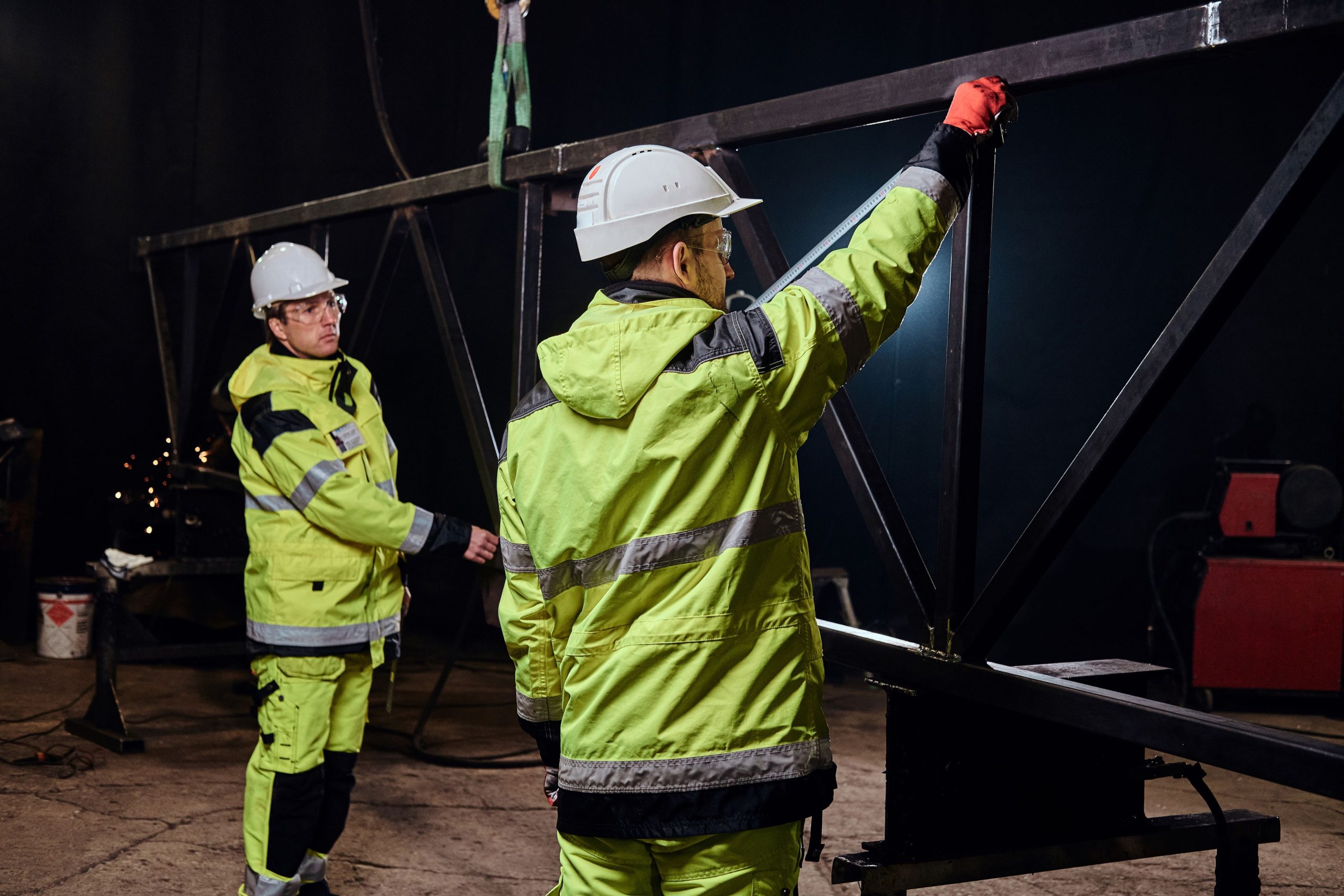
Construction workers operate around cranes, trucks, bulldozers, and heavy machinery. Reflective vests help equipment operators identify workers quickly, especially in crowded work zones.
Cycling
Cyclists are highly vulnerable on roads during nighttime or foggy conditions. Reflective vests improve visibility and help drivers notice cyclists earlier.
Jogging and Running
Morning joggers and evening runners often share roads with traffic. Reflective safety gear greatly improves nighttime visibility and reduces accident risks.
Warehouse Operations
Busy warehouses contain forklifts, moving carts, and machinery. Reflective vests help improve worker identification and traffic awareness.
School Crossing Guards
Crossing guards play a critical role in child safety. Bright reflective clothing improves visibility during busy school traffic hours.
Emergency Situations
A roadside breakdown at night can quickly become dangerous. Keeping a reflective vest inside your vehicle helps improve visibility during tire changes, engine problems, or roadside emergencies.
A reflective vest is one of those items people rarely think about — until the moment they truly need it.
Maintenance and Care Tips
Even the best reflective vest requires proper maintenance to remain effective over time.
Reflective materials can lose brightness if they are not cleaned and stored correctly.
Washing Tips
To extend the lifespan of your reflective vest:
- Wash with cold water
- Avoid strong detergents
- Never use bleach
- Wash gently
- Air dry whenever possible
Excessive heat can damage reflective materials and reduce visibility performance.
Storage Tips
Store reflective vests in:
- Dry environments
- Cool areas
- Places away from direct sunlight
Too much sun exposure may fade fluorescent colors over time.
Inspection Tips
Regularly inspect your reflective vest for:
- Cracked reflective strips
- Torn fabric
- Loose stitching
- Fading colors
- Damaged fasteners
If visibility performance decreases significantly, replace the vest immediately.
Reflective Vest vs Reflective Jacket
Many buyers struggle to decide between a reflective vest and a reflective jacket. Both improve visibility, but each serves different purposes depending on weather conditions and work environments.
| Feature | Reflective Vest | Reflective Jacket |
|---|---|---|
| Weight | Lightweight | Heavier |
| Breathability | Excellent | Moderate |
| Weather Protection | Limited | Better |
| Cost | More affordable | More expensive |
| Layering Flexibility | Easy | Less flexible |
Reflective vests are ideal for warm weather, active movement, and lightweight daily use.
Reflective jackets, on the other hand, offer better protection against cold temperatures, wind, and rain. They are especially useful for winter construction work and outdoor nighttime operations.
The right choice depends on your climate, activity level, and working conditions.
How to Choose the Best Reflective Vest for Your Needs
Choosing the best reflective vest becomes much easier once you understand your environment, safety risks, and comfort requirements.
For Construction Workers
Construction workers should prioritize:
- ANSI-certified safety vests
- Durable polyester materials
- Utility pockets
- Strong reflective coverage
- Heavy-duty stitching
For Cyclists
Cyclists benefit from:
- Lightweight designs
- Breathable materials
- Adjustable fits
- Wide reflective strips
- Comfortable movement
For Runners
Runners usually prefer:
- Minimal weight
- Sweat-resistant fabrics
- Breathable mesh
- Flexible designs
Comfort is especially important for long-distance exercise.
For Drivers
Every vehicle should contain an emergency reflective vest.
Compact foldable designs are ideal because they store easily and can become life-saving during roadside emergencies.
Before buying, always consider:
- Visibility requirements
- Weather conditions
- Comfort
- Durability
- Safety certifications
- Intended use
The best reflective vest is the one that keeps you consistently safe while remaining comfortable enough to wear regularly.
Why Buy from Purchaser.com
Finding reliable safety gear online can sometimes feel confusing. Many products look similar, but quality differences can be enormous.
That’s where Purchaser.com Official Store stands out.
Purchaser.com focuses on delivering dependable safety products designed for real-world performance, comfort, and durability.
Customers benefit from:
- Quality-tested reflective safety gear
- Durable and long-lasting materials
- Competitive pricing
- Easy online shopping experience
- Fast and reliable delivery
- Multiple reflective vest options for different industries
Whether you need reflective vests for construction work, cycling, emergency preparedness, warehouse operations, or outdoor activities, Purchaser.com offers practical safety solutions you can trust.
When visibility matters, choosing reliable safety equipment becomes one of the smartest investments you can make.
FAQs About Reflective Vests
Conclusion
A reflective vest may look simple, but it plays a powerful role in personal safety. Whether you’re working on a construction site, riding a motorcycle, jogging before sunrise, or dealing with a roadside emergency, staying visible can save lives.
The best reflective vest combines comfort, durability, visibility, and proper certification. Instead of buying the cheapest option available, invest in a product that delivers long-term protection and reliability.
At the end of the day, safety should never be an afterthought. A quality reflective vest is a small investment that offers enormous peace of mind.
Explore trusted reflective safety solutions today at Purchaser.com and stay visible, safe, and protected anytime.