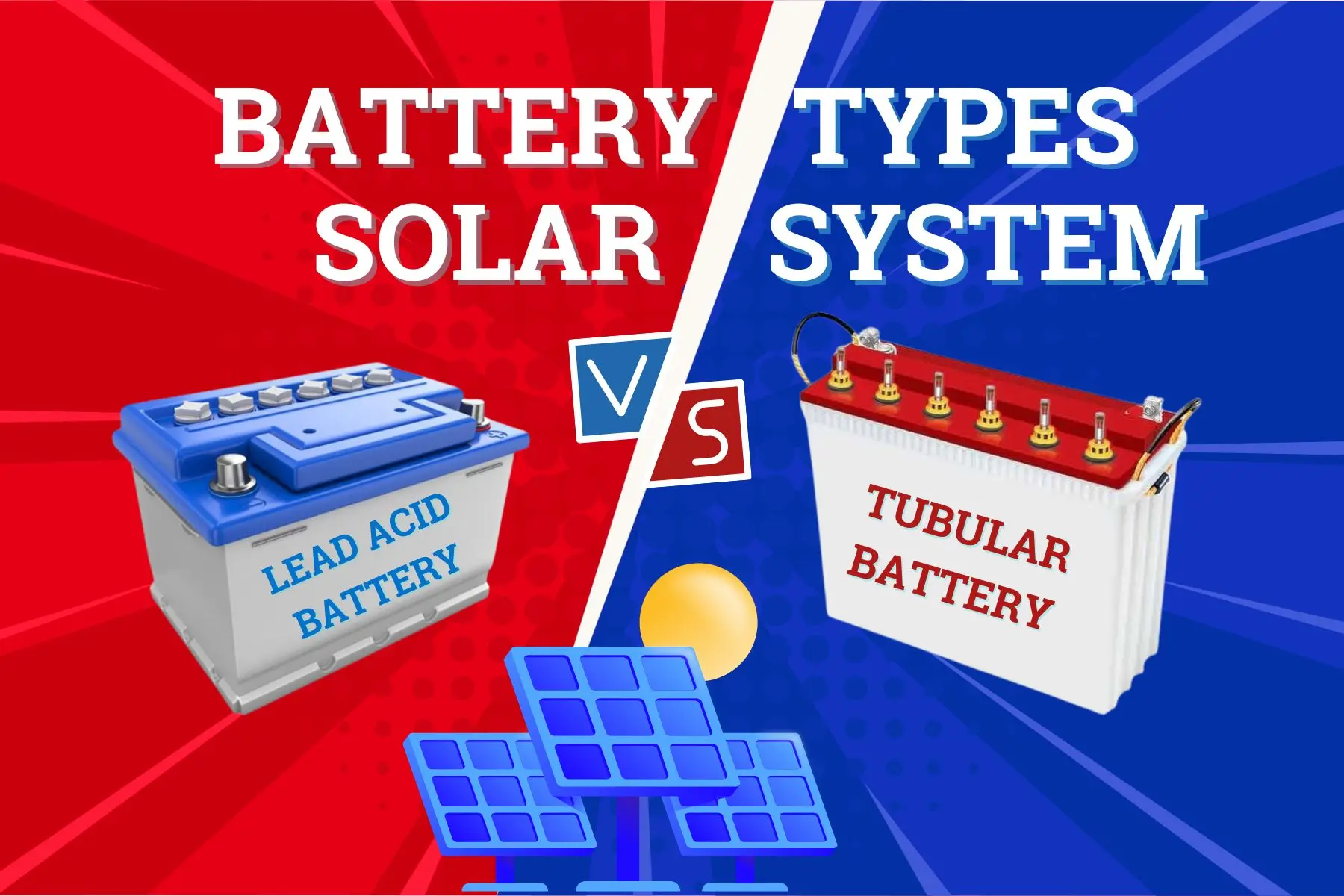
Lead Acid VS Tubular Batteries: Choosing the Best for Solar Energy
In solar power systems, choosing the right battery is crucial for efficient energy storage and reliable performance. Two popular types of batteries used in solar systems are Lead Acid and Tubular batteries. While both types serve the essential function of storing energy, they have distinct characteristics that make them suitable for different applications. This article explores the differences between Lead Acid and Tubular batteries, their performance, longevity, and suitability for solar systems, and addresses common questions about these battery types.
What is a Lead Acid Battery?
Lead Acid batteries are one of the oldest and most widely used types of batteries. They consist of lead plates and sulfuric acid, which facilitate chemical reactions to store and release electrical energy. There are three main types of Lead Acid batteries:
- Flooded Lead Acid Batteries: Traditional batteries with free electrolyte that requires regular maintenance.
- Sealed Lead Acid Batteries: Includes Gel and Absorbent Glass Mat (AGM) batteries, which are maintenance-free and spill-proof.
- Deep Cycle Lead Acid Batteries: Designed to provide a steady amount of current over a long period, suitable for solar systems and other deep discharge applications.
Is a Lead Acid Battery Better Than Lithium?
Lead Acid and Lithium batteries each have their advantages. Lead Acid batteries are generally less expensive upfront but require more maintenance and have a shorter lifespan compared to Lithium batteries. Lithium batteries offer higher energy density, longer lifespan, and lower maintenance requirements but come with a higher initial cost. The choice between Lead Acid and Lithium depends on factors like budget, application needs, and maintenance preferences.
How Long Will a Lead Acid Battery Last?
The lifespan of a Lead Acid battery varies depending on its type and usage. Typically, Lead Acid batteries last between 2-3 years with proper maintenance. Factors such as depth of discharge, maintenance practices, and operating conditions can influence their longevity.
What is a Tubular Battery?
Tubular batteries are a type of Lead Acid battery with an advanced design that enhances performance and durability. They feature a tubular positive plate design, where the positive plate is encased in a tubular sleeve, providing better conductivity and longevity compared to traditional Lead Acid batteries.
Disadvantages of Tubular Batteries
While Tubular batteries offer many advantages, they also have some disadvantages:
- Higher Initial Cost: Tubular batteries are generally more expensive upfront compared to standard Lead Acid batteries.
- Maintenance Requirements: Although they require less frequent maintenance than traditional Lead Acid batteries, they still need periodic checks and maintenance.
- Size and Weight: Tubular batteries can be bulkier and heavier than other types of batteries.
Which Battery is Better: Tubular or Normal Lead Acid?
Tubular batteries are often considered better than standard Lead Acid batteries for several reasons:
- Higher Efficiency: Tubular batteries offer better performance and efficiency.
- Longer Lifespan: They typically last longer than standard Lead Acid batteries.
- Deeper Discharge: Tubular batteries can handle deeper discharges without significantly affecting their lifespan.
However, the choice between Tubular and standard Lead Acid batteries depends on specific needs, budget, and application requirements.
Difference Between Lead Acid Battery and Tubular Battery
- Design and Construction:
- Lead Acid Battery: Traditional design with flat plates and a free electrolyte.
- Tubular Battery: Advanced design with tubular positive plates encased in a sleeve.
- Performance:
- Lead Acid Battery: Lower efficiency and depth of discharge.
- Tubular Battery: Higher efficiency, greater depth of discharge, and better overall performance.
- Lifespan:
- Lead Acid Battery: Typically lasts 2-3 years.
- Tubular Battery: Usually lasts 3-5 years or more.
- Maintenance:
- Lead Acid Battery: Requires regular maintenance and electrolyte checks.
- Tubular Battery: Requires less frequent maintenance due to its enhanced design.
- Cost:
- Lead Acid Battery: Lower initial cost but potentially higher long-term costs.
- Tubular Battery: Higher initial cost but better long-term value.
Pros and Cons of Lead Acid and Tubular Batteries
Lead Acid Battery
Tubular Battery
Conclusion
When selecting a battery for a solar system, understanding the differences between Lead Acid and Tubular batteries is essential. Lead Acid batteries are cost-effective for smaller setups or budget constraints but require more maintenance and have a shorter lifespan. Tubular batteries, on the other hand, offer superior performance, longevity, and efficiency, making them ideal for larger or more demanding solar installations.
For optimal performance and reliability in a solar power system, Tubular batteries are generally the preferred choice. However, evaluating your specific needs, budget, and maintenance preferences will help determine the best battery type for your solar energy storage requirements.