The Power of Understanding and Adhering to Industrial Safety Regulations
In the realm of industry, safety is not just important; it’s a fundamental obligation. Understanding and following industrial safety regulations protects the workforce and strengthens the foundation of a successful enterprise. This article goes into detail about industrial safety regulations, providing insights, tips, and practical advice to ensure a secure and compliant working environment.
Table of Contents

The Significance of Industrial Safety Regulations
Industrial safety regulations serve as the cornerstone of workplace safety, encompassing a myriad of protocols, standards, and practices designed to mitigate risks and prevent accidents. These regulations are not just legal requirements; they embody a commitment to employee well-being and organizational integrity.
Embracing a Safety Culture
Instilling a culture of safety within the workplace is paramount to the effective implementation of industrial safety regulations. It involves fostering awareness, promoting accountability, and empowering employees to prioritize safety in every aspect of their work.
Educational Initiatives
Educational initiatives play a pivotal role in cultivating a safety-conscious workforce. From comprehensive training programs to regular safety briefings, investing in employee education fosters a proactive approach toward safety.
Compliance and Enforcement
Compliance with industrial safety regulations is non-negotiable. From regulatory audits to internal inspections, stringent enforcement mechanisms ensure adherence to safety protocols and identify areas for improvement.
Internal Audits
Conducting regular internal audits allows organizations to assess compliance levels, identify potential hazards, and implement corrective measures proactively.

Navigating Key Industrial Safety Regulations
Understanding the intricate landscape of industrial safety regulations is essential for compliance and risk mitigation. From occupational safety standards to environmental regulations, staying abreast of key mandates is crucial for safeguarding both personnel and assets.
Occupational Safety and Health Administration (OSHA) Standards
OSHA standards serve as the backbone of workplace safety in the United States, covering a wide array of industries and hazards. Familiarizing oneself with OSHA guidelines is imperative for ensuring regulatory compliance and minimizing occupational risks.
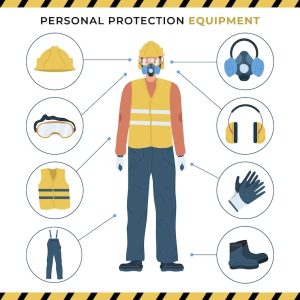
Personal Protective Equipment (PPE) Requirements
Adhering to OSHA’s PPE requirements is paramount for safeguarding employees against workplace hazards. From protective eyewear to respiratory gear, providing adequate PPE is a cornerstone of injury prevention.
Mitigating Common Workplace Hazards
Identifying and mitigating workplace hazards is essential for fostering a safe and productive work environment. From slips and falls to chemical exposures, proactive hazard management is key to minimizing risks and ensuring employee well-being.

Slips, Trips, and Falls Prevention
Slips, trips, and falls constitute one of the most common workplace hazards, resulting in numerous injuries and fatalities annually. Implementing measures such as proper signage, non-slip flooring, and regular maintenance can significantly reduce the risk of accidents.

Chemical Safety Protocols
Chemical exposures pose significant risks to worker health and safety. Implementing comprehensive chemical safety protocols, including proper labeling, storage, and handling procedures, is essential for mitigating hazards and preventing accidents.
FAQs (Frequently Asked Questions)
-
What are the consequences of non-compliance with industrial safety regulations?
Non-compliance with industrial safety regulations can lead to severe repercussions, including legal penalties, workplace injuries, and reputational damage. Prioritizing compliance is essential for safeguarding both employees and organizational integrity.
-
How often should safety training be conducted?
Safety training should be conducted regularly, with frequency determined by industry standards, regulatory requirements, and the nature of workplace hazards. Continuous education ensures that employees remain informed and vigilant about safety protocols.
-
Are there industry-specific safety regulations?
Yes, many industries have specific safety regulations tailored to their unique operational risks and challenges. It’s crucial for businesses to familiarize themselves with industry-specific regulations and ensure compliance to mitigate risks effectively.
-
What role do employees play in ensuring workplace safety?
Employees play a pivotal role in ensuring workplace safety by adhering to safety protocols, reporting hazards, and actively participating in safety initiatives. Cultivating a culture of safety empowers employees to take ownership of their well-being and contribute to a safer work environment.
-
How can organizations stay updated on changes to safety regulations?
Staying updated on changes to safety regulations requires proactive engagement with regulatory bodies, industry associations, and professional networks. Subscribing to relevant publications, attending seminars, and participating in training programs are effective ways to stay informed.
-
What are the benefits of investing in workplace safety?

Investing in workplace safety yields numerous benefits, including reduced accident rates, improved employee morale, enhanced productivity, and lower insurance premiums. Prioritizing safety not only protects employees but also contributes to the long-term success and sustainability of the business.


Conclusion
Understanding and adhering to industrial safety regulations is not just a legal obligation; it’s a moral imperative. By embracing a culture of safety, navigating key regulations, and mitigating workplace hazards, organizations can create a secure and thriving work environment. Remember, safety isn’t just a policy; it’s a commitment to protecting what matters most – the well-being of every individual within the organization.