
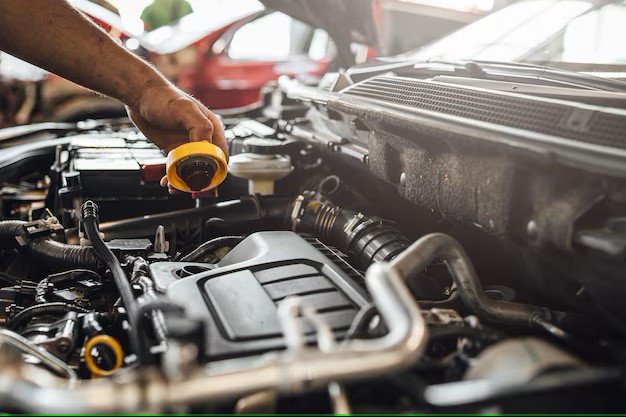
How to Change Engine oil in The Best way in 2025
Regularly changing your engine car oil is essential for keeping your car in peak condition. Fresh oil lubricates moving parts, reduces friction, prevents overheating, and extends your engine’s lifespan. If you neglect oil changes, your engine can suffer from excessive wear, poor performance, and even catastrophic failure.
In this guide, we’ll walk you through every step of changing your engine oil, ensuring a smooth and hassle-free process.
Signs You Need an Engine Oil Change
Recognizing when your car needs an oil change is crucial for avoiding engine damage. Look out for these signs:
- Dashboard Warning Light – The oil pressure or check engine light may indicate low or dirty oil.
- Dark, Dirty Oil – Fresh oil is amber-colored; dirty oil turns dark and gritty.
- Engine Noise & Knocking – Insufficient lubrication can cause metal parts to grind against each other.
- Reduced Fuel Efficiency – Old oil increases friction, making the engine work harder.
- Burning Oil Smell – A strong, burnt odor could mean an oil leak or overheating.
If you notice any of these warning signs, it’s time for an oil change.
Essential Tools & Materials
Before starting, gather these essential tools and materials:
| Item | Purpose |
|---|---|
| Engine Oil | Lubricates engine components |
| Oil Filter | Removes contaminants from the oil |
| Oil Drain Pan | Catches used oil |
| Wrench Set | Loosens drain plug and filter |
| Funnel | Helps pour oil without spills |
| Gloves & Rags | Keeps hands clean and prevents messes |
| Car Jack & Stands | Lifts vehicle for better access |
Make sure you use the correct oil and filter recommended for your vehicle.
Preparing Your Vehicle
Step 1: Preparing Your Vehicle for an Oil Change
Properly preparing your vehicle before changing the engine oil is crucial for a smooth, efficient, and safe process. Failing to prepare correctly can lead to spills, injuries, or difficulty accessing essential components. Follow these steps to ensure a safe and hassle-free oil change.
1. Park on a Level Surface
Before you begin, make sure your vehicle is parked on a flat, stable surface. A level surface is necessary for several reasons:
✅ Ensures proper oil drainage – If the car is tilted, old oil may not drain completely.
✅ Prevents the car from rolling or shifting unexpectedly.
✅ Provides a safe and stable working environment.
Best Practice:
- If working in a garage or driveway, choose a flat spot free from gravel or debris.
- Avoid working on a slope—even with the parking brake engaged, a sloped surface can be dangerous.
2. Engage the Parking Brake
Once the vehicle is parked, activate the parking brake (handbrake) to keep it securely in place. This prevents any unwanted movement while you’re working underneath the car.
Why This Is Important:
🚗 Keeps the car stationary while you drain the oil.
🚗 Prevents accidental rolling if the car is on an incline.
Additional Safety Tip:
- If your car has a manual transmission, place it in first gear or reverse.
- For automatic transmissions, shift into Park (P) before engaging the parking brake.
3. Let the Engine Warm Up (But Not Too Hot!)
Cold oil is thick and sluggish, making it harder to drain completely. Running the engine for 5 minutes helps warm the oil slightly, making it flow more easily. However, do not let the engine get too hot, as this can cause burns when draining the oil.
Best Practice:
- Start your car and let it idle for 3 to 5 minutes.
- The goal is to make the oil warm but not scalding hot.
- Avoid driving the car beforehand, as that could overheat the oil and make it dangerous to handle.
4. Turn Off the Engine
Before you proceed, turn off the engine completely. Leaving the engine running during an oil change is extremely dangerous and could lead to severe burns or mechanical issues.
Why This Step is Crucial:
⚠️ Prevents hot oil burns when draining.
⚠️ Avoids accidental moving parts causing injuries.
⚠️ Ensures the engine cools down enough to work safely.
Double-Check:
- Ensure the ignition is fully off before continuing.
- Remove the keys from the ignition for extra safety.
5. Elevate the Car (If Needed)
Most vehicles have low ground clearance, making it difficult to access the oil drain plug and oil filter. Lifting the car allows for easier access and a cleaner oil change process.
How to Safely Lift the Vehicle:
- Position Wheel Chocks – If working on a sloped driveway, place wheel chocks or wooden blocks behind the rear wheels to prevent rolling.
- Use a Car Jack – Locate the jacking points specified in your owner’s manual and carefully lift the vehicle.
- Secure with Jack Stands – Once lifted, place jack stands under the car for extra support. Never work under a car supported only by a jack!
- Test Stability – Before getting under the vehicle, gently shake it to ensure it’s securely positioned.
🚨 Safety Warning:
- Never rely solely on a hydraulic jack—it can fail unexpectedly.
- Always place jack stands under the frame or recommended lift points.
- Avoid working under a car on uneven or soft surfaces like dirt or grass.
Final Check Before Moving to the Next Step
Before proceeding with draining the old oil, take a moment to double-check your setup:
✔️ The car is parked on a level surface.
✔️ The parking brake is engaged.
✔️ The engine is turned off and has cooled slightly.
✔️ The car is safely lifted and supported with jack stands.
✔️ Wheel chocks are in place (if necessary).
Once these steps are complete, you’re ready to move on to draining the old oil! 🚗🔧
By properly preparing your vehicle, you ensure a safer, cleaner, and more efficient oil change. Taking a few extra minutes to follow these steps will make the entire process easier and stress-free.
Draining the Old Oil
- Locate the oil drain plug underneath your car (refer to your owner’s manual).
- Position the oil drain pan directly under the plug.
- Use a wrench to loosen and remove the drain plug.
- Let the old oil completely drain out (about 5-10 minutes).
- Replace and tighten the drain plug securely.
Replacing the Oil Filter
- Locate the oil filter (usually near the engine block).
- Use an oil filter wrench to unscrew the old filter.
- Apply a small amount of new oil to the rubber gasket of the new filter.
- Screw in the new filter hand-tight, ensuring a snug fit.
Adding New Engine Oil
- Remove the oil filler cap on top of the engine.
- Place a funnel and carefully pour in the recommended oil.
- Check the oil dipstick to ensure the proper level.
- Replace the oil cap securely.
Checking for Leaks & Cleanup
- Start the engine and let it run for a few minutes.
- Check underneath the car for oil leaks.
- Wipe off any spills.
- Dispose of used oil responsibly at a recycling center.
How Often to Change Your Oil
The frequency of oil changes depends on:
| Driving Conditions | Recommended Interval |
|---|---|
| Normal Driving | Every 5,000 – 7,500 miles |
| Severe Conditions (towing, stop-and-go) | Every 3,000 – 5,000 miles |
| Synthetic Oil Users | Every 7,500 – 10,000 miles |
Always check your owner’s manual for the best schedule.
Common Mistakes to Avoid
Avoid these pitfalls when changing your oil:
- Overfilling the oil – Can cause foaming and engine damage.
- Using the wrong oil type – Always follow manufacturer recommendations.
- Not tightening the drain plug properly – Can cause leaks.
- Forgetting to change the oil filter – Leads to contaminated oil circulation.
- Skipping oil level checks – Ensures you don’t over or underfill.
FAQs About Changing Engine Oil
Conclusion
Changing your engine oil is a simple yet crucial maintenance task that keeps your vehicle running smoothly. By following this step-by-step guide, you can save money, extend your engine’s lifespan, and boost performance.
Make sure to check your oil regularly and stick to the recommended oil change intervals. Happy driving!


