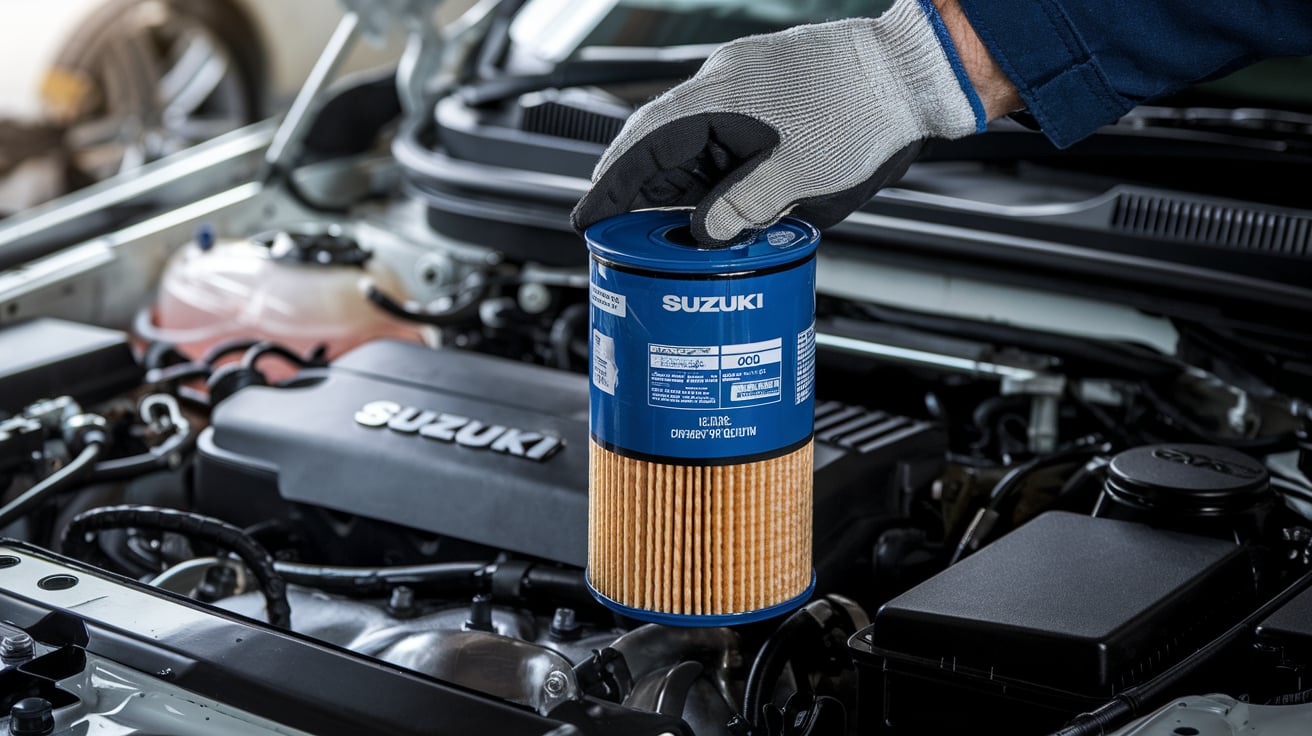
Genuine Suzuki Oil Filters: Improve Engine Performance & Protection in 2025
When it comes to keeping your Suzuki running like a dream, there’s one small component that plays a massive role—your oil filter. Often overlooked, this humble part ensures that your engine oil remains clean, protecting your engine from premature wear and tear. Using Genuine Suzuki Oil Filters isn’t just a suggestion—it’s a smart investment in your vehicle’s long-term performance and health.
What Are Oil Filters and Why They Matter
Oil filters remove dirt, debris, and contaminants from your engine oil. Over time, as oil circulates through the engine, it picks up small particles from combustion and general engine operation. Without a reliable filter, these impurities could recirculate, leading to clogged passages, decreased performance, or even severe engine damage.
The Suzuki Standard: What Makes Them Genuine?
Genuine Suzuki Oil Filters are not just spare parts—they are a product of rigorous engineering, stringent quality control, and deep understanding of Suzuki engine architecture. These filters are crafted to meet or exceed factory specifications, which means they align perfectly with the mechanical and thermal dynamics of Suzuki engines.
Unlike generic or one-size-fits-all filters that may compromise fit or performance, genuine filters are tailored to provide an exact match to your specific Suzuki model. This ensures that every oil change delivers not only clean oil but also optimal oil pressure, efficient flow, and consistent protection across various driving conditions.
Some standout features that define the authenticity and quality of Genuine Suzuki Oil Filters include:
- Anti-Drain Back Valves: These valves are crucial in preventing dry starts by keeping oil in the filter even when the engine is turned off. Without this feature, your engine could run for several seconds without proper lubrication, causing premature wear during startup.
- Durable Casing: Suzuki filters are constructed with thick, reinforced steel casings that withstand high-pressure environments and sudden temperature changes. This durability ensures the filter doesn’t collapse or rupture under stress—something that can’t always be guaranteed with aftermarket filters.
- High-Efficiency Filter Media: The filtering element is made from advanced synthetic fiber or cellulose-blend media capable of trapping particles as tiny as 20 microns. This level of precision protects sensitive engine components from harmful contaminants such as metal fragments, soot, and carbon deposits.
- Precision Gaskets and Seals: Every gasket and seal is engineered for a tight, leak-proof fit. This reduces the risk of oil leaks and ensures the filter remains securely attached even under high pressure.
- Exact Threading and Fitment: Genuine filters are machined to exact specifications, ensuring they thread seamlessly onto the engine’s filter mount. A poor fit from an aftermarket filter can lead to leaks or, worse, a detached filter during operation.
These might seem like minor differences at a glance, but together, they significantly enhance your vehicle’s performance and reliability. When you use a Genuine Suzuki Oil Filter, you’re not just replacing a part—you’re preserving the engine’s efficiency, extending its life, and ensuring that every drop of oil does its job.
By sticking to the Suzuki standard, you’re opting for peace of mind, backed by the same expertise and quality that went into designing your vehicle in the first place.
Comparing Genuine vs Aftermarket Oil Filters
When it’s time to change your oil filter, you’re faced with a critical decision: choose a Genuine Suzuki Oil Filter or opt for an aftermarket alternative. While both may look similar on the outside, their internal components and performance vary significantly—and those differences can have lasting effects on your engine.
Durability and Material Quality
Genuine Suzuki oil filters are constructed using high-grade materials tested to endure the exact heat, pressure, and oil flow specifications of Suzuki engines. These filters feature reinforced steel canisters, high-quality anti-drain back valves, and robust rubber seals—all of which are engineered to withstand thousands of miles of operation without breaking down.
In contrast, many aftermarket filters cut costs by using thinner metal housings, inferior gasket materials, or low-grade filter media that may not provide the same level of filtration. This can result in:
- Oil leaks due to poor sealing
- Collapsed filter elements under high pressure
- Decreased filtering capacity, allowing contaminants to circulate
Over time, these shortcomings can lead to engine sludge, increased wear, or even complete engine failure—risks that far outweigh the initial savings.
Cost vs Value Over Time
On paper, aftermarket oil filters may seem like a bargain—often priced 20% to 50% lower than OEM options. However, the real cost becomes evident when factoring in potential engine damage, warranty issues, or frequent replacements due to subpar performance.
Genuine Suzuki filters, though slightly more expensive upfront, offer greater long-term value through:
- Reliable performance and fit
- Protection of engine components
- Fewer repairs and service calls
- Preserved manufacturer warranty
- Enhanced resale value of the vehicle
Ultimately, genuine filters aren’t just a purchase—they’re an investment in the health and longevity of your Suzuki.
How to Identify Genuine Suzuki Oil Filters
In an age where counterfeit automotive parts are increasingly sophisticated, distinguishing a real Genuine Suzuki Oil Filter from a fake is more important than ever. Counterfeit filters often look convincing but may fail catastrophically when put to use.
Official Part Numbers and Packaging Clues
To ensure you’re getting the real deal, look for these telltale signs of authenticity:
- OEM Part Numbers: Suzuki oil filters come with clearly printed part numbers, such as 16510-81420, that match your vehicle’s service manual.
- Branded Packaging: Genuine parts are packaged in boxes that display Suzuki’s logo, product details, and branding in crisp, professional print.
- Security Holograms or QR Codes: Many genuine filters now include tamper-evident holograms, barcodes, or scannable QR codes that verify authenticity.
- Consistent Finish: Look for uniform paint, threading, and welds. Counterfeit filters often have uneven finishes, mismatched paint, or sloppy printing.
If you notice poor construction or the packaging seems off, it’s best to avoid using that filter entirely.
Where to Buy Genuine Filters Safely
Protect your engine and your investment by sourcing oil filters from reliable outlets. Recommended places include:
- Authorized Suzuki Dealerships – These offer guaranteed OEM parts directly from the manufacturer.
- Certified Service Centers – Most certified mechanics and garages stock or can order genuine Suzuki filters.
- Trusted Online Retailers – Stick to reputable websites with positive reviews and a track record of selling authentic auto parts.
- Official Suzuki Website or Parts Portal – This ensures compatibility and authenticity.
Whenever in doubt, consult your owner’s manual or speak with a Suzuki service advisor to confirm the correct part number and recommended sources.
Step-by-Step Guide to Replace an Oil Filter
If you’re a DIY enthusiast, replacing your oil filter is a straightforward task that can be done at home with the right tools and a bit of preparation. Here’s a comprehensive, step-by-step guide to ensure a smooth and safe process:
- Warm Up the Engine Slightly
- Let the engine run for about 3–5 minutes. Warm oil flows out more easily, helping remove impurities during the drain.
- Park and Elevate the Vehicle Safely
- Park on a level surface and use ramps or jack stands to lift the front of the vehicle securely. Never work under a car supported only by a jack.
- Drain the Old Oil
- Place an oil catch pan underneath the oil drain plug. Remove the plug with a socket wrench and allow the oil to drain completely. Dispose of the used oil properly.
- Remove the Old Oil Filter
- Use an oil filter wrench to loosen the old filter. Turn it counter-clockwise until it comes off. Be prepared for some oil to spill out when the seal breaks.
- Check the Gasket and Clean the Mounting Surface
- Make sure the old gasket isn’t stuck to the engine. Wipe the mounting area with a clean rag to remove any debris or old oil residue.
- Lubricate the New Filter Gasket
- Apply a thin layer of clean engine oil to the rubber gasket on the new filter. This ensures a proper seal and makes future removal easier.
- Install the New Oil Filter
- Screw on the new filter by hand. Once the gasket contacts the mounting surface, tighten it an additional three-quarters of a turn. Do not overtighten.
- Refill the Engine with Fresh Oil
- Replace the drain plug securely and pour in the recommended type and amount of engine oil through the filler cap.
- Start the Engine and Check for Leaks
- Start the engine and let it idle for a few minutes. Watch for oil pressure warning lights and inspect the filter and drain plug areas for leaks.
- Check and Top Off the Oil Level
- Turn off the engine and wait a few minutes. Use the dipstick to check the oil level and top off if necessary.
Pro Tip: Keep a maintenance log of your oil changes and filter replacements. This not only helps with future scheduling but also boosts resale value by showing consistent vehicle care.
FAQs About Genuine Suzuki Oil Filters
Conclusion: Why Your Suzuki Deserves Genuine Filters
Your Suzuki is more than just a car—it’s a symbol of reliability and performance. Using Genuine Suzuki Oil Filters ensures your engine stays clean, efficient, and protected for years to come. Don’t settle for second-best when it comes to one of your vehicle’s most vital components.