Warning: Your Car’s dim Headlights Are Dangerous– best Fix in 2025!
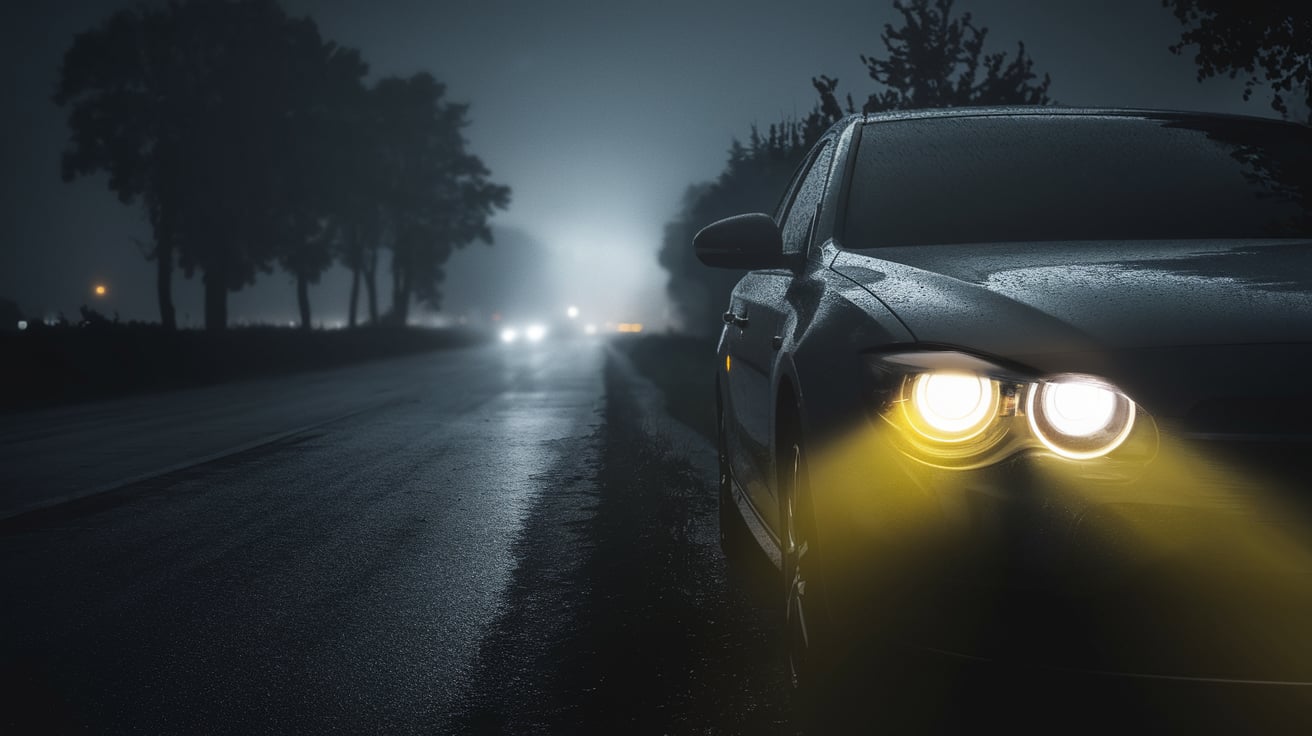
Your car’s headlights are your first line of defense against nighttime road hazards. But over time, they can become dim due to dirt buildup, worn-out bulbs, or electrical problems. This isn’t just an inconvenience—it’s a serious safety risk. In this guide, we’ll explore why dim headlights and provide 7 proven solutions to restore their brightness.
Reason of dim Headlights
There are several reasons why your car’s headlights might not be as bright as they once were. Dim headlights can significantly reduce visibility, making nighttime driving dangerous. Identifying the root cause is the first step in restoring brightness. Here are the most common reasons your headlights may appear dim:
1. Aging Bulbs
If your vehicle is equipped with halogen bulbs, they naturally dim over time due to filament wear. As the filament inside the bulb burns, it slowly degrades, reducing the amount of light it produces. This is especially noticeable if your bulbs have been in use for more than 2-3 years.
- Signs of aging bulbs:
- Yellowish or dull light output
- Uneven brightness between headlights
- Slow response when turning on the lights
Replacing your dim headlights before they burn out completely ensures that you always have adequate visibility.
2. Foggy or Cloudy Lenses
Over time, your headlight lenses can become hazy or yellowed due to exposure to UV rays, dirt, and oxidation. This reduces the amount of light that passes through, making your headlights appear dim even if the bulbs are working properly.
- Common causes of foggy lenses:
- Sunlight exposure leading to plastic degradation
- Buildup of dirt and grime from the road
- Moisture seeping into the headlight assembly
Regular cleaning and polishing can help restore clarity, but if the oxidation is severe, you may need a headlight restoration kit or professional cleaning.
3. Electrical Issues
Your vehicle’s electrical system plays a major role in powering your headlights. A weak battery, failing alternator, or poor wiring can all cause dim headlights. If your car’s electrical system isn’t supplying enough power, the bulbs won’t reach their full brightness.
- Signs of electrical issues:
- Headlights dimming when using other electronics (e.g., AC, radio)
- Flickering lights when driving or idling
- Slow response when turning on headlights
If you suspect an electrical issue, have your battery and alternator tested. A failing alternator won’t generate enough power to keep your headlights bright, especially at night when additional electrical loads (such as heating or wipers) are being used.
4. Bad Grounding or Loose Connections
Your headlights rely on a proper ground connection to function efficiently. Corroded or loose wiring connections can reduce electrical flow, causing headlights to appear dim or flicker.
- Symptoms of bad grounding or wiring issues:
- One headlight is dimmer than the other
- Headlights work intermittently or flicker
- A burning smell near the headlight wiring
Fixing a loose or corroded ground connection often requires cleaning or replacing the affected wires to ensure a strong electrical connection.
5. Misaligned Headlights
Even if your headlights are working perfectly, they can appear dim if they are pointed too low. This is because the light beam is directed toward the ground instead of illuminating the road ahead.
- Causes of misalignment:
- Recent vehicle repairs (especially front-end work)
- Hitting potholes or curbs, shifting the headlight angle
- Normal wear and tear
To check alignment, park your car about 25 feet from a wall and observe whether the beams are evenly positioned. If they’re too low or pointing in different directions, adjusting the aim of the headlights can improve brightness and visibility.
Understanding these causes is the first step to finding a solution.
How Dim Headlights Affect Your Safety
Driving with dim headlights can have serious consequences:
- Reduced Visibility: Dim headlights limit how far you can see at night, increasing reaction time.
- Increased Accident Risk: Poor visibility leads to a higher chance of collisions.
- Legal Issues: Many countries and states have brightness requirements for headlights. Failing to meet them can result in fines.
It’s clear that fixing dim headlights is not just about convenience—it’s about staying safe on the road.
Top 7 Solutions to Fix Dim Headlights
Let’s dive into the best ways to restore your headlights to full brightness.
1. Clean Your Headlight Lenses
Over time, headlight lenses become foggy and dirty, reducing light output. Here’s how to clean them:
Step-by-Step Cleaning Guide:
- Wash the headlights with soap and water.
- Apply a headlight restoration kit or toothpaste for oxidation removal.
- Polish with a microfiber cloth.
- Seal with UV-resistant coating to prevent future fogging.
2. Replace Old Bulbs
If your bulbs are over 2-3 years old, they may have lost brightness.
- Choose OEM-recommended halogen bulbs or upgrade to LED/HID for better output.
- Replace both bulbs at the same time to ensure even lighting.
- Handle bulbs carefully—oil from your fingers can shorten lifespan.
3. Upgrade to LED or HID Bulbs
Upgrading to LED or HID bulbs provides brighter, whiter light with longer lifespan.
| Type | Pros | Cons |
|---|---|---|
| Halogen | Cheap, widely available | Short lifespan, dims over time |
| HID (Xenon) | Very bright, good visibility | Expensive, requires ballast |
| LED | Bright, energy-efficient, lasts 5x longer | May require a conversion kit |
4. Check and Replace Wiring
Your car’s headlights depend on a stable electrical connection to function properly. If there’s a problem with the wiring, your headlights may flicker, appear dim, or fail to turn on at all. Worn-out, corroded, or loose wiring can interrupt the flow of electricity, leading to inconsistent headlight performance.
Symptoms of Bad Wiring:
- Flickering headlights: If your headlights blink or fluctuate in brightness, it could indicate a loose or damaged wire.
- One side is dimmer than the other: Uneven brightness may mean that one headlight isn’t receiving full power due to poor connections or a failing wire.
- Lights cut out unexpectedly: If your headlights turn off while driving, it could be due to a broken wire or faulty switch.
How to Fix Headlight Wiring Issues:
- Inspect the headlight connectors – Check for loose or corroded wires at the back of the headlight assembly.
- Look for exposed or frayed wires – Over time, heat and movement can wear down insulation, leading to short circuits.
- Use a multimeter – Test the wiring to ensure it’s delivering the correct voltage (usually 12-14 volts when the engine is running).
- Replace damaged wires – If you find any breaks, cracks, or corrosion, replace the faulty wiring or clean the connections to restore full electrical flow.
If your headlights still appear dim after checking the wiring, the issue may be a failing alternator or battery, which should be tested as well.
5. Adjust Headlight Aim
Proper headlight alignment is crucial for optimal visibility and road safety. Misaligned headlights can make it difficult to see ahead at night and may also blind other drivers if aimed too high. If your headlights seem dim, they might just be pointed in the wrong direction.
How to Check and Adjust Your Headlights:
- Find a flat surface and a wall – Park your car on level ground about 25 feet from a wall in a dimly lit area.
- Turn on your headlights – Switch them to low beam mode and observe the light pattern on the wall.
- Mark the center of each headlight beam – Use masking tape to mark where the brightest part of each beam hits the wall.
- Adjust the headlight screws – Locate the vertical and horizontal adjustment screws near the headlight housing. Turn them until the beams are at the correct height and evenly aligned. The top of the light beam should be at or slightly below the headlight center marks to avoid blinding oncoming traffic.
6. Inspect and Replace the Alternator
A failing alternator can cause dim lights because it doesn’t supply enough power.
- Test your alternator with a voltage meter (should read 13.5-14.5V when running).
- If readings are low, consider replacing the alternator to restore brightness.
7. Polish or Replace Foggy Headlight Covers
If cleaning isn’t enough, polishing or replacing your headlight covers might be the best option.
DIY Polishing Steps:
- Use sandpaper (1000-3000 grit) to remove oxidation.
- Apply a headlight restoration compound.
- Finish with a clear sealant to prevent future fogging.
How to Prevent Future Headlight Dimming
- Wash headlights regularly to remove dirt.
- Apply UV protectant to prevent oxidation.
- Replace bulbs before they burn out.
- Check wiring every 6 months.
FAQs
Conclusion
Driving with dim headlights is a major safety hazard. Whether it’s dirty lenses, old bulbs, or electrical issues, addressing the problem can drastically improve night-time visibility. Use these 7 fixes to restore brightness and drive safely!