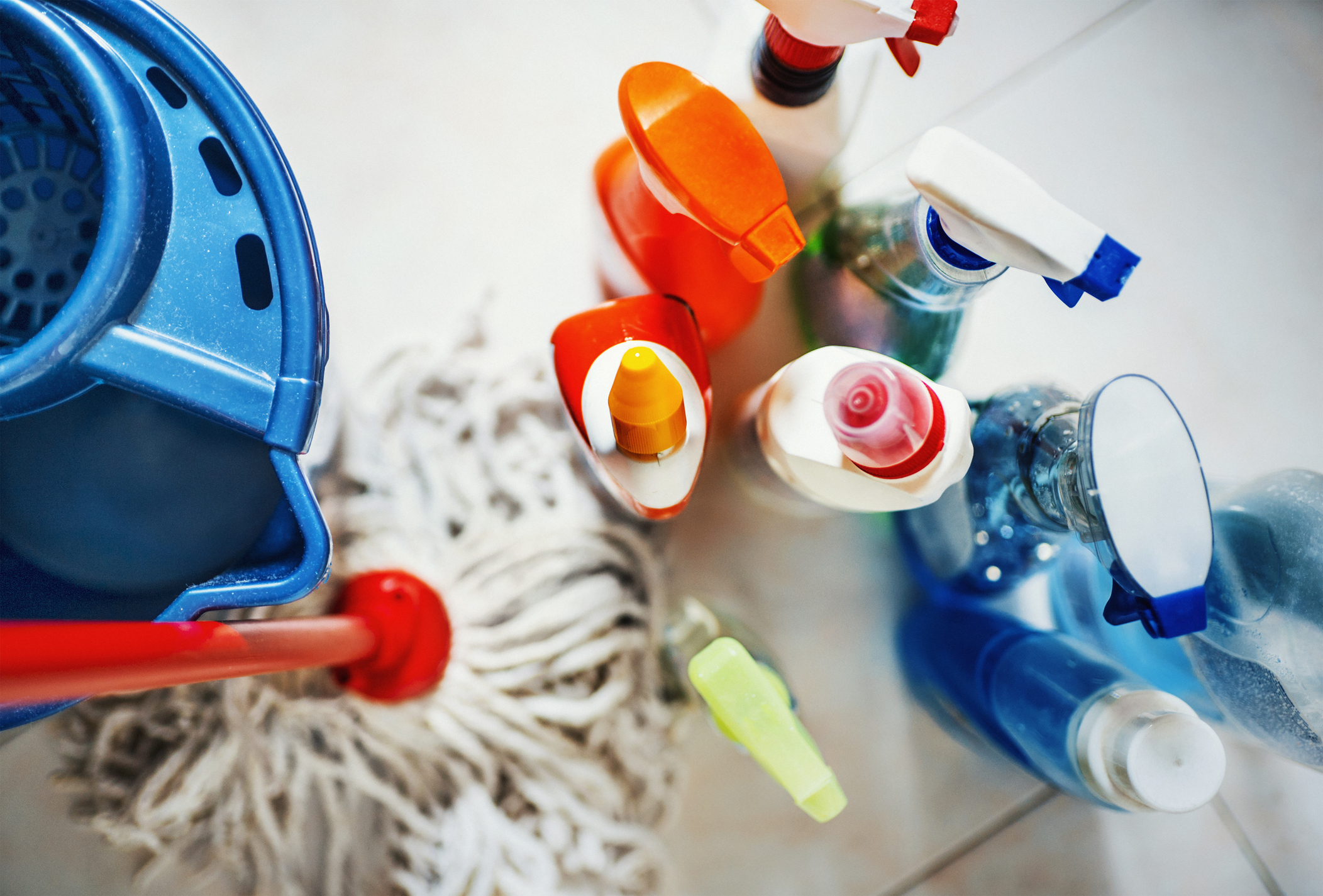
Cleaning Chemicals Explained: Choosing the Best Products for Your Needs 2024
Maintaining cleanliness is crucial for both health and aesthetics, but selecting the right cleaning products can sometimes feel overwhelming. This guide explores the various cleaning chemicals, what they do, and how to use them safely and effectively.
Overview of Cleaning Chemicals
Cleaning products range from basic household cleaners to specialized commercial-grade solutions, each designed to tackle specific cleaning challenges. Understanding the main types, their functions, and best applications can simplify the decision-making process. Here’s a breakdown of the most common types of cleaning chemicals and their typical uses:
| Cleaning Chemical | Purpose | Common Applications |
|---|---|---|
| Disinfectants | Kills bacteria and viruses | Bathrooms, healthcare facilities |
| Degreasers | Cuts through oils and grease | Kitchens, machinery, tools |
| Detergents | Removes dirt and stains | Laundry, dishes, surfaces |
| Acid Cleaners | Removes mineral deposits | Glass, toilets, grout |
| Alkaline Cleaners | Breaks down fats and oils | Floors, ovens, countertops |
Types of Cleaning Chemicals and Their Functions
1. Disinfectants
Disinfectants are essential for eliminating harmful microorganisms, making them a go-to for areas requiring high hygiene standards. They work by breaking down cell walls of bacteria and viruses, effectively killing or inactivating these germs.
Example of Common Disinfectants:
| Disinfectant | Active Ingredient | Best For |
|---|---|---|
| Bleach | Sodium hypochlorite | Bathrooms, toilets |
| Alcohol | Ethanol/isopropanol | Surfaces, electronics |
| Hydrogen Peroxide | H2O2 | Kitchens, high-touch areas |
2. Degreasers
Degreasers specialize in cutting through oils and fats, making them especially useful in kitchens, workshops, and industrial settings. These cleaners contain powerful solvents designed to lift stubborn grease without leaving residue.
3. Detergents
Detergents are multi-purpose cleaning agents that are effective on dirt, grime, and stains. They’re used in household cleaning, laundry, and dishwashing, as they contain surfactants that reduce surface tension, lifting dirt and oil off surfaces.
How Cleaning Chemicals Work
The science behind these chemicals helps explain why certain products are ideal for specific types of dirt or surfaces. Most cleaning products use surfactants, which lower the surface tension of water, helping it penetrate grime more easily. Additionally, many chemicals alter the pH of a surface, making it more difficult for bacteria and viruses to survive.
Cleaning Mechanism Comparison
| Type | Mechanism | Examples |
|---|---|---|
| Surfactants | Reduces water surface tension | Laundry detergent, dish soap |
| pH Alteration | Changes pH to enhance cleaning efficiency | Acid cleaners, alkaline degreasers |
| Solvents | Dissolves grease and other materials | Alcohol, acetone |
Choosing the Right Cleaning Chemical for Your Needs
To pick the most effective cleaning product, consider factors like the type of dirt, the surface material, and the level of sanitation required. Different products are formulated for different purposes and applying the wrong chemical could damage surfaces or cause inefficacy.
Household vs. Commercial Cleaning Products
Household cleaners are designed for everyday use and are generally milder, whereas commercial cleaners are concentrated for heavy-duty tasks. Industrial-grade products often contain stronger chemicals, suitable for machinery, high-traffic areas, and industrial kitchens.
Important Factors to Consider
Selecting cleaning products goes beyond mere effectiveness. Here are additional considerations to make before purchasing:
1. Surface Compatibility
The wrong cleaner can harm surfaces, causing discoloration or deterioration. For example, acidic cleaners are ideal for glass but can damage natural stone.
2. Health and Safety
Some chemicals can irritate the skin, eyes, or lungs. Protective gear like gloves, masks, and goggles are essential for handling strong products.
3. Environmental Impact
Eco-friendly products are growing in popularity. Biodegradable and non-toxic options reduce pollution, providing a more sustainable solution for cleaning needs.
Eco-Friendly Alternatives
Environmentally friendly products offer an alternative to harsh chemicals, providing effective cleaning power without compromising safety.
| Eco-Friendly Option | Use | Benefits |
|---|---|---|
| Vinegar | General cleaner and disinfectant | Biodegradable, non-toxic |
| Baking Soda | Abrasive scrub for stains | Safe on most surfaces, deodorizer |
| Lemon Juice | Degreaser and natural bleach | Antibacterial, fresh fragrance |
Common Misconceptions
While cleaning products are helpful, it’s important to avoid common pitfalls that can lead to hazards.
- Mixing Chemicals: Combining products, like bleach and ammonia, releases toxic fumes.
- Overuse: Excessive amounts can leave residue or damage surfaces.
- Skipping PPE: Not wearing gloves or masks can result in chemical burns or respiratory irritation.
Best Practices for Safe Handling and Disposal
Proper usage and disposal of cleaning chemicals are critical for personal and environmental safety.
- Read Labels Carefully: Follow the manufacturer’s directions and heed any warning labels.
- Use in Well-Ventilated Areas: Proper ventilation prevents inhalation of fumes.
- Wear PPE: Gloves, masks, and protective eyewear shield against accidental splashes and fumes.
- Store Properly: Keep chemicals out of reach of children and pets and in a cool, dry place.
- Dispose Responsibly: Look into local hazardous waste disposal guidelines.