
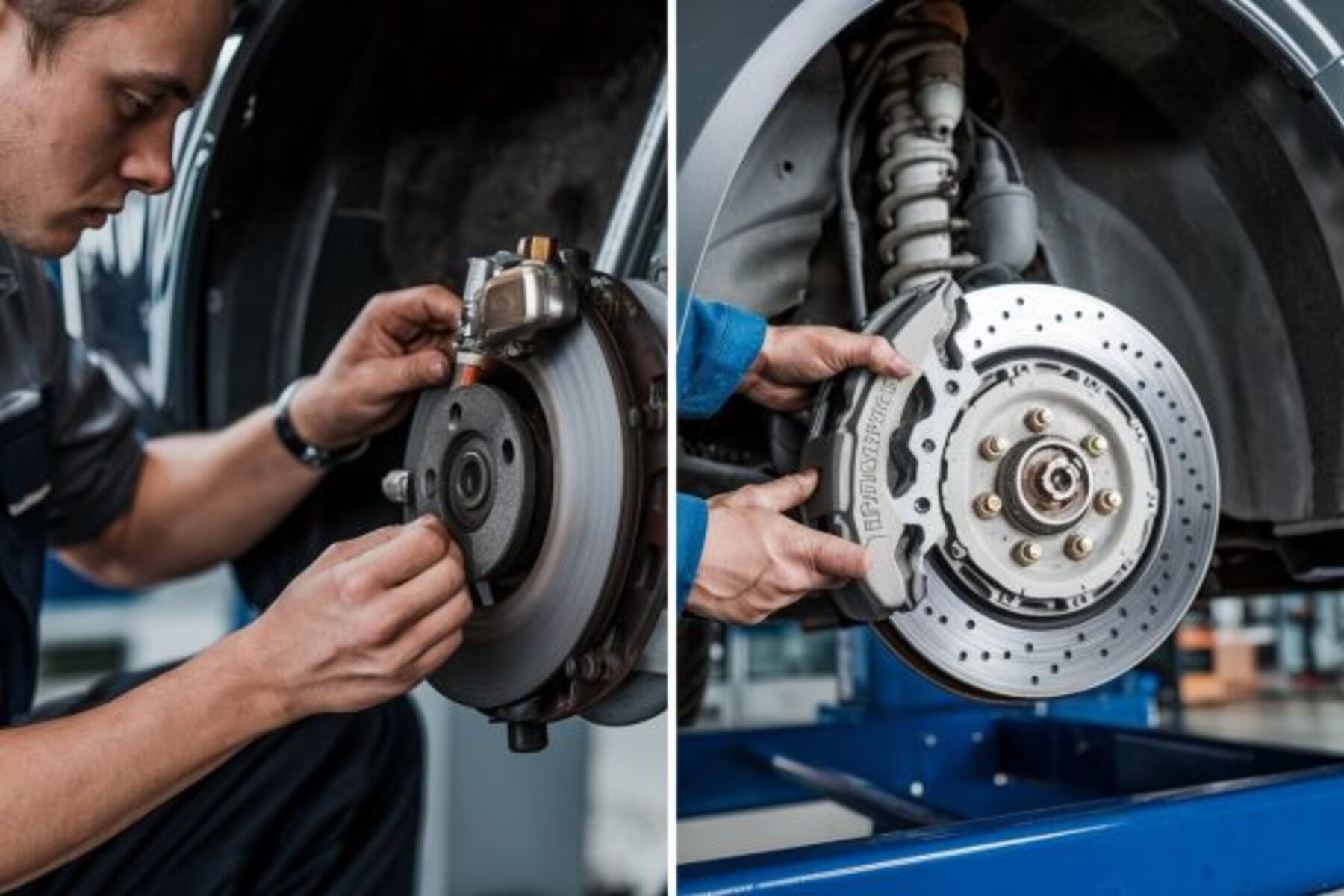
When to Replace vs. Repair: Best Guide to Suzuki Replacement Parts in 2025
Maintaining your Suzuki vehicle is essential to ensure it runs smoothly, performs optimally, and remains safe to drive. However, when a component starts to fail, you might wonder whether to repair the existing part or replace it altogether. This decision impacts your vehicle’s reliability, longevity, and overall expenses, especially when considering whether to replace the faulty part or opt for a repair instead of a replacement. Knowing when to choose a replacement part is key to making the right decision for your vehicle.
In this comprehensive guide, we’ll explore the critical factors influencing the decision to repair or replace Suzuki parts, common signs of part failure, the cost-effectiveness of each option, and where to find genuine replacement parts. Whether you’re a Suzuki owner looking for budget-friendly solutions or a car enthusiast who wants to make informed decisions, this guide will provide all the details you need.
Understanding Suzuki Replacement Parts
Suzuki vehicles, like all cars, have components that experience wear and tear over time. When a part becomes defective, it must either be repaired or replaced to keep the car functional. Suzuki replacement parts generally fall into three categories:
1. OEM (Original Equipment Manufacturer) Parts
OEM parts are manufactured by Suzuki or its authorized suppliers. These parts are designed specifically for Suzuki models, ensuring perfect fit, durability, and performance.
2. Aftermarket Parts
Aftermarket parts are produced by third-party manufacturers and are not directly affiliated with Suzuki. They are often designed to fit multiple car brands, leading to variations in quality.
3. Used or Refurbished Parts
These are salvaged from other vehicles and may be restored to function like new.
Signs You Need to Replace a Suzuki Part
Knowing when to replace a part can prevent further damage and costly repairs. Below are some common signs indicating that a Suzuki needs replacement parts:
1. Brakes
- Squealing or grinding noises: Worn-out brake pads produce high-pitched squeaks.
- Longer stopping distance: If the car takes longer to stop, the brake pads or rotors may be worn.
- Vibrating brake pedal: A warped rotor can cause vibrations when braking.
2. Clutch
- Slipping gears: If the engine revs increase but the car doesn’t accelerate properly, the clutch may be slipping.
- Difficulty shifting: A worn clutch may make gear shifts rough or unresponsive.
- Burning smell: A damaged clutch can overheat, emitting a burnt odor.
3. Battery
- Slow engine cranking: A weak battery struggles to start the engine.
- Dimming headlights: When headlights appear weaker than usual, it’s a sign of a failing battery.
- Corrosion on terminals: Build-up around battery terminals can hinder performance.
4. Suspension
- Bumpy ride: Worn shock absorbers result in excessive bouncing.
- Uneven tire wear: Misaligned or faulty suspension components cause uneven tread wear.
- Knocking noises: Loose or broken suspension parts can create clunking sounds when driving over bumps.
If your Suzuki displays any of these symptoms, replacement is likely necessary to prevent safety hazards and further damage.
When Repairing a Suzuki Part is a Viable Option
While replacing a part is often necessary, there are situations where repairing the existing component is a better alternative:
- Minor electrical issues: If a fuse blows or a small electrical component malfunctions, repairing it is cheaper than replacing an entire system.
- Suspension components: Some parts, like bushings or ball joints, can be rebuilt rather than replaced.
- Brake calipers: Instead of replacing the entire caliper, rebuilding it with new seals and pistons can restore functionality.
- Small coolant leaks: Sometimes, a simple hose replacement or patching a small crack can fix a coolant leak.
To determine whether a repair is feasible, consider the cost of fixing the part versus replacing it. If the repair costs exceed 50% of the replacement price, replacing the part is usually the smarter choice.
Where to Buy Genuine Suzuki Replacement Parts?
Purchasing genuine Suzuki replacement parts is essential to ensure quality and longevity. Here are the best sources to buy authentic Suzuki parts:
1. Official Suzuki Dealerships
- Directly source parts from Suzuki.
- Ensure OEM quality and warranty coverage.
- Can be more expensive than other options.
2. PakWheels
- A popular online marketplace in Pakistan for Suzuki parts.
- Offers both OEM and high-quality aftermarket parts.
- Customer reviews can help verify seller credibility.
3. Purchaser.com.pk
- A reliable platform for Suzuki replacement parts.
- Provides competitive pricing and a wide selection.
- Features multiple sellers, allowing price comparison.
4. Local Auto Parts Stores
- Convenient and accessible.
- Offers a mix of OEM and aftermarket parts.
- May not always have Suzuki-specific parts in stock.
Pro Tip: Always verify the part number before purchasing to ensure compatibility with your Suzuki model.
How to Extend the Lifespan of Suzuki Parts?
Proper maintenance can significantly increase the longevity of your Suzuki’s parts, reducing the frequency of replacements.
1. Follow Suzuki’s Maintenance Schedule
Every vehicle has a recommended service schedule in the owner’s manual. Following this ensures timely oil changes, brake inspections, and other crucial maintenance tasks.
2. Use High-Quality Fluids and Lubricants
- Always use Suzuki-recommended engine oil to prevent premature engine wear.
- Keep coolant levels in check to prevent overheating.
- Use high-quality brake fluid to maintain braking performance.
3. Drive Smoothly
Aggressive driving can wear out brakes, suspension components, and tires quickly. Avoid sudden braking, excessive acceleration, and sharp turns to prolong part life.
4. Keep Your Battery Terminals Clean
A dirty or corroded battery terminal can lead to poor electrical connections and reduce battery lifespan. Cleaning them with baking soda and water can prevent early battery failure.
5. Store Your Vehicle Properly
- Park in a shaded area to prevent heat damage.
- If storing the car for long periods, disconnect the battery to prevent drain.
- Regularly start the engine and move the car to keep fluids circulating.
By following these tips, you can delay costly repairs and replacements, saving money in the long run.
DIY vs. Professional Repair: What’s the Best Option?
Deciding whether to repair your Suzuki yourself or take it to a professional mechanic depends on the complexity of the repair, available tools, and your mechanical skills.
DIY Repairs: What Can You Fix Yourself?
✔ Oil and air filter changes
✔ Battery replacement
✔ Headlight and taillight bulb changes
✔ Windshield wiper replacement
✔ Spark plug replacement (for some models)
DIY repairs can save you money, but they require the right tools and knowledge.
Professional Repairs: When to Seek a Mechanic
✔ Engine repairs (timing belts, head gaskets, pistons, etc.)
✔ Transmission repairs or replacements
✔ Suspension and steering system work
✔ Brake system overhauls
✔ Electrical system troubleshooting
If a repair requires specialized tools or involves major components, it’s best to hire a professional mechanic to avoid costly mistakes.
Suzuki Parts Warranty and Return Policies
Understanding Suzuki’s warranty and return policies can help you make informed purchasing decisions.
OEM Part Warranty
- Suzuki offers a 1-year or limited mileage warranty on most OEM parts.
- Warranties typically cover manufacturing defects, not wear and tear.
Aftermarket Part Warranty
- Warranty coverage varies by brand and seller.
- Some premium aftermarket brands offer lifetime warranties, while cheaper brands may have no warranty at all.
Return Policies
- Many suppliers accept returns on unused and unopened parts.
- Some retailers charge a restocking fee, especially for special-order items.
Before purchasing, always check the warranty details and return conditions to avoid unexpected issues.
Environmental Impact: Repairing vs. Replacing
While replacing parts is often necessary, repairing them when possible can reduce waste and environmental impact.
Benefits of Repairing Instead of Replacing
✔ Reduces landfill waste: Repairing parts, like alternators or brake calipers, minimizes discarded automotive waste.
✔ Saves resources: Manufacturing new parts requires raw materials and energy, contributing to carbon emissions.
✔ Supports sustainability: Choosing repair over replacement helps lower the environmental footprint of car maintenance.
However, some parts, such as worn-out brake pads or cracked timing belts, should always be replaced for safety reasons.
Expert Tips for Reducing Suzuki Repair Costs
Want to keep your Suzuki in great shape without breaking the bank? Try these cost-saving strategies:
- Compare Prices Online: Websites like PakWheels and Purchaser.com.pk often have better deals than local stores.
- Buy in Bulk: Purchasing multiple filters, spark plugs, or brake pads at once can reduce costs.
- Look for Discounts and Coupons: Many online retailers offer seasonal promotions or discount codes.
- Use Refurbished or Used Parts When Safe: Components like body panels, mirrors, and minor electronics can be sourced from scrapyards.
- Learn Basic Maintenance: Doing minor repairs yourself, such as changing oil or replacing bulbs, can save on labor costs.
By following these tips, you can cut down on maintenance expenses while keeping your Suzuki in excellent condition.
Frequently Asked Questions (Replacement Parts)
Conclusion
Knowing when to repair or replace Suzuki replacement parts is crucial for maintaining your car’s performance and saving costs. By making informed choices, purchasing genuine replacement parts, and following a good maintenance schedule, you can keep your Suzuki running smoothly for years.


