Optimizing Inventory for a Smooth Operation: A Comprehensive Guide
In the fast-paced world of business, managing inventory effectively is a key factor in ensuring smooth operations and customer satisfaction. From small startups to large enterprises, optimizing inventory can make a significant impact on efficiency and profitability. In this comprehensive guide, we’ll delve into the strategies and best practices for optimizing your inventory management, providing you with valuable insights that can transform your business.
what is Inventory Management?
Inventory management refers to the systematic and strategic process of overseeing and controlling a company’s goods and materials. It involves the acquisition, storage, tracking, and utilization of inventory, which includes raw materials, work-in-progress items, and finished goods. The primary goal of inventory management is to ensure that an organization has the right amount of products or materials at the right time, avoiding both excess and insufficient stock levels.
The more inventory a company has, the less likely they will have what they need.
Taiichi Ohno
Key aspects of inventory management include:
- Optimizing Stock Levels: Maintaining an optimal balance between too much and too little inventory is crucial. Excessive stock ties up capital and storage space, while insufficient stock can lead to stockouts, dissatisfied customers, and missed sales opportunities.
- Ordering and Replenishment: Efficient inventory management involves establishing reorder points and reorder quantities based on demand forecasts. Timely replenishment ensures that products are available when needed without overstocking.
- Forecasting Demand: Accurate demand forecasting is essential for anticipating fluctuations in customer demand. Businesses use historical data, market trends, and advanced analytics to predict future demand, helping them adjust inventory levels accordingly.
- Tracking and Monitoring: Employing technology such as barcode scanning, RFID, and inventory management systems allows businesses to track inventory in real-time. This enhances accuracy, reduces errors, and provides valuable insights into inventory movement.
- Cost Control: Managing inventory effectively contributes to cost control. This includes minimizing holding costs, reducing the risk of obsolescence, and optimizing warehouse space.
- Supplier Relationships: Building strong relationships with suppliers is crucial for a smooth supply chain. Effective communication and collaboration help ensure timely deliveries, quality products, and favorable terms.
- Risk Management: Businesses must be prepared for potential disruptions in the supply chain, such as natural disasters, geopolitical events, or unforeseen market changes. Implementing risk management strategies helps mitigate the impact of such disruptions.
- Continuous Improvement: Inventory management is an ongoing process that requires regular evaluation and adjustment. Continuous improvement involves identifying areas for enhancement, embracing new technologies, and staying informed about industry trends.
inventory management is a dynamic and integral part of supply chain management that aims to balance the costs and benefits of maintaining and using inventory. It is a critical aspect of running a successful business, ensuring that products are available when customers need them while optimizing operational efficiency and financial resources.

Understanding the Importance of Efficient Inventory Management
The Foundation of a Successful Business
Efficient inventory management is the foundation of a successful business. It involves more than just keeping track of stock; it’s about finding the right balance between supply and demand. When done right, it ensures that you have the right products in the right quantities at the right time, minimizing the risk of overstocking or stockouts.
The Cost of Inefficient Inventory
Inefficient inventory management can be costly. Excess stock ties up valuable capital, takes up storage space, and may lead to obsolescence. On the other hand, insufficient stock levels can result in lost sales, dissatisfied customers, and a damaged reputation. Striking the right balance is crucial for maintaining a healthy bottom line.
Embracing Technology for Inventory Optimization
In the digital age, technology plays a pivotal role in optimizing inventory. Advanced software solutions, such as inventory management systems, use real-time data and analytics to streamline processes. These tools not only enhance accuracy but also provide valuable insights for making informed decisions.
The Role of Forecasting in Inventory Optimization
Forecasting is a fundamental aspect of inventory optimization. By analyzing past data and market trends, businesses can anticipate demand fluctuations and adjust their inventory levels accordingly. This proactive approach helps prevent stockouts and overstocking, leading to a more agile and responsive supply chain.

Strategies for Effective Inventory Optimization
Just-in-Time (JIT) Inventory Management
Just-in-Time (JIT) inventory management is a strategy that involves keeping inventory levels low and restocking only when needed. This approach minimizes storage costs and reduces the risk of obsolete inventory. However, it requires precise planning and a reliable supply chain to ensure products are available when customers demand them.
ABC Analysis for Prioritizing Inventory
ABC analysis categorizes inventory into three groups based on value and importance. Class A includes high-value items that contribute significantly to revenue, Class B includes moderately important items, and Class C includes low-value items. This classification helps businesses prioritize their focus and resources on the most critical aspects of their inventory.
Implementing RFID Technology for Tracking
Radio-Frequency Identification (RFID) technology offers a more efficient way to track inventory in real-time. RFID tags provide accurate and instantaneous data on item location and quantity, reducing the risk of errors associated with manual tracking. This technology enhances visibility throughout the supply chain, contributing to better decision-making.
Collaborative Planning, Forecasting, and Replenishment (CPFR)
Collaborative planning involves aligning supply chain partners to improve forecasting and replenishment processes. By sharing information and insights, businesses can enhance accuracy in demand forecasting and streamline the replenishment process. This collaborative approach fosters stronger partnerships and ensures a more synchronized supply chain.
Utilizing Cross-Docking for Streamlined Operations
Cross-docking is a logistics strategy that involves transferring goods directly from inbound to outbound transportation without storage. This approach minimizes the time products spend in the warehouse, reducing holding costs and improving order fulfillment speed. Cross-docking is particularly beneficial for businesses dealing with perishable goods or those aiming for rapid order fulfillment.

Overcoming Challenges in Inventory Optimization
Balancing Act: The Challenge of Stockouts vs. Overstocking
Finding the delicate balance between stockouts and overstocking is a common challenge in inventory management. Businesses must navigate the fine line between meeting customer demand and avoiding excess inventory that ties up capital. Advanced forecasting, responsive supply chains, and real-time data analytics can help address this challenge.
Data Accuracy and Integration
Inaccurate data can lead to costly errors in inventory management. Integrating systems and ensuring data accuracy across the supply chain is crucial for making informed decisions. Implementing automated data capture methods, such as barcode scanning and RFID technology, can significantly improve data accuracy.
Warehouse Space Optimization
Limited warehouse space is a constraint many businesses face. Optimizing warehouse layout, implementing vertical storage solutions, and regularly reviewing inventory turnover rates can help maximize available space. Efficient space utilization contributes to cost savings and improved overall operational efficiency.
Seasonal Demand Fluctuations
Seasonal demand fluctuations pose challenges for inventory management. Businesses experiencing seasonal peaks must be agile in adjusting their inventory levels to meet increased demand without accumulating excess stock during slower periods. Implementing flexible supply chain strategies and leveraging historical data can aid in managing seasonal variations.
Supply Chain Disruptions
Unforeseen events, such as natural disasters, geopolitical issues, or global pandemics, can disrupt the supply chain. Building resilience through diversified suppliers, safety stock, and contingency plans can mitigate the impact of unexpected disruptions. Maintaining open communication with suppliers is also essential for proactive problem-solving.

The Future of Inventory Optimization: Trends and Innovations
Artificial Intelligence in Inventory Forecasting
Artificial Intelligence (AI) is revolutionizing inventory forecasting by analyzing vast datasets and predicting demand with unprecedented accuracy. Machine learning algorithms can identify patterns and trends, providing valuable insights for optimizing inventory levels and reducing the reliance on manual forecasting methods.
Blockchain for Enhanced Transparency
Blockchain technology is gaining traction in inventory management for its ability to provide transparent and tamper-resistant records. By creating a decentralized and secure ledger, blockchain ensures trust and transparency in the supply chain. This innovation is particularly valuable for industries requiring stringent traceability, such as pharmaceuticals and food.
Autonomous Vehicles in Warehouse Operations
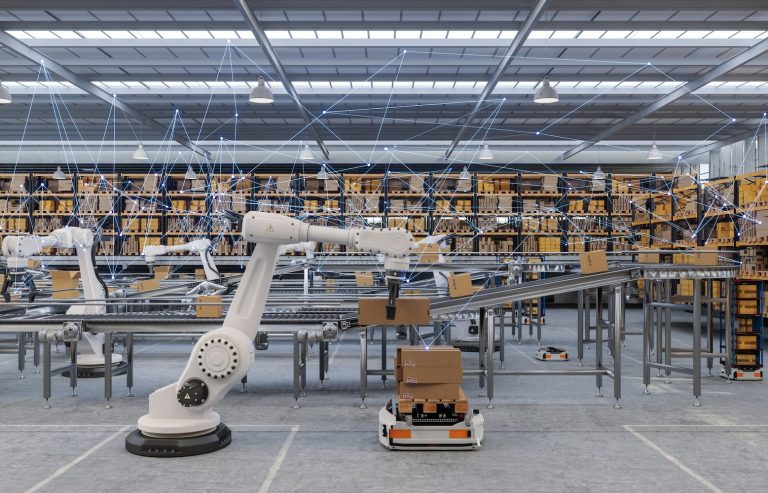
The integration of autonomous vehicles, including drones and robots, in warehouse operations is streamlining the movement of goods. These technologies enhance efficiency by automating tasks such as picking, packing, and transportation. As they become more sophisticated, autonomous vehicles offer the potential for further optimization in inventory management.
Predictive Analytics for Dynamic Decision-Making
Predictive analytics leverages historical data and statistical algorithms to make predictions about future events. In inventory management, this technology aids in foreseeing demand fluctuations, identifying potential bottlenecks, and optimizing reorder points. Businesses adopting predictive analytics gain a competitive edge in responding swiftly to market changes.
Sustainable Practices in Inventory Management
Sustainability is becoming a focal point in inventory management. Businesses are increasingly adopting eco-friendly practices, such as reducing packaging waste, optimizing transportation routes, and implementing circular supply chain models. These sustainable initiatives not only benefit the environment but also resonate with environmentally conscious consumers.
Conclusion: Transforming Your Inventory Management
Optimizing inventory for a smooth operation is a multifaceted endeavor that requires a strategic and proactive approach. By understanding the importance of efficient inventory management, implementing effective strategies, overcoming challenges, and embracing emerging trends, businesses can transform their inventory management into a competitive advantage.
Whether you’re a startup or an established enterprise, the principles outlined in this comprehensive guide can guide you towards achieving optimal inventory levels, reducing costs, and enhancing customer satisfaction. Stay agile, embrace technology, and continuously evaluate and refine your inventory management practices to stay ahead in the dynamic business landscape.