Engine Brush Cutter Explained: How It Works & Where to Use It: Powerful Buyer’s Guide (2026)
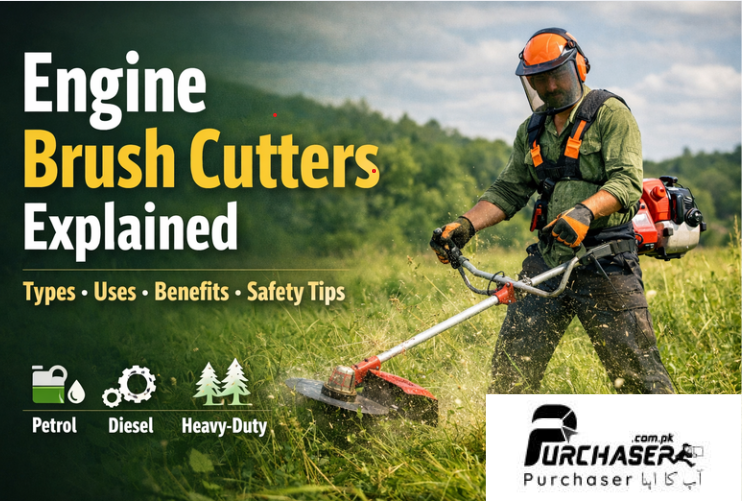
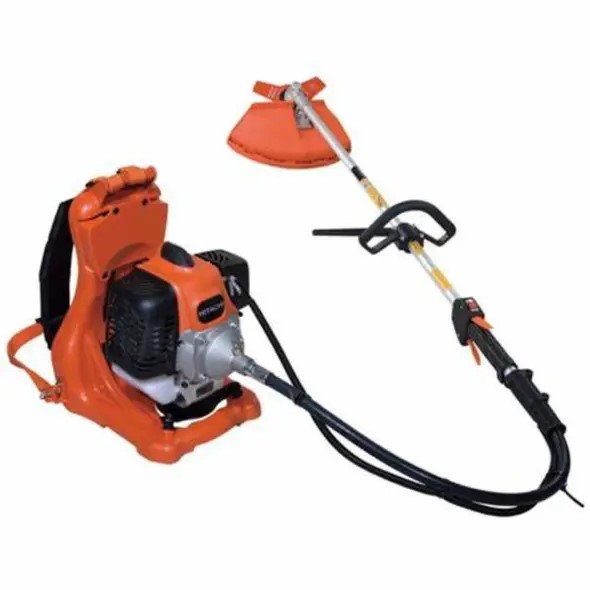
An engine brush cutter is a heavy-duty outdoor cutting machine used to remove thick grass, stubborn weeds, bushes, shrubs, and even small trees. It is much stronger than regular lawn mowers or grass trimmers, which are usually designed only for soft grass and small lawns.
Unlike electric or battery-powered trimmers, engine brush cutters run on petrol or diesel engines. This fuel-powered engine produces higher torque and stronger cutting force, allowing the machine to work efficiently in rough, uneven, or overgrown areas where ordinary tools fail.
For buyers, farmers, landscapers, and contractors reading Purchaser.co, understanding Engine Brush Cutter Explained: How It Works & Where to Use It is very important. It helps you choose the right machine based on land size, vegetation type, and workload especially when working on large farms, vacant plots, roadside areas, or rugged terrain.
Definition and Purpose of an Engine Brush Cutter
The main purpose of an engine brush cutter is land clearing and vegetation control. It is designed to handle tasks that are too difficult for lawn mowers or handheld trimmers.
Why Engine Brush Cutters Are Used
Engine brush cutters are commonly used when:
- Grass has grown too thick and tall
- Weeds have strong roots
- Bushes and shrubs block pathways
- Small trees need cutting at ground level
Common Areas of Use
- Agriculture: Clearing farm boundaries, orchards, and crop fields
- Landscaping: Maintaining gardens, parks, and large lawns
- Forestry: Removing undergrowth and bushes
- Infrastructure maintenance: Roadside clearing, railway tracks, and public land
Because of their power and durability, engine brush cutters save time, labor, and effort, especially in professional and commercial work.
Key Components of an Engine Brush Cutter
Understanding the main parts of an engine brush cutter makes it easier to operate, maintain, and choose the right model.
1. Engine Unit – Generates Power
The engine is the heart of the brush cutter. It burns petrol or diesel to create power. The engine size (measured in CC) determines how strong the machine is.
- Smaller engines are suitable for grass and light weeds
- Larger engines handle thick bushes and small trees
2. Drive Shaft – Transfers Power
The drive shaft is a long metal rod inside the shaft tube. It carries power from the engine to the cutting head. A strong drive shaft ensures smooth operation and reduces vibration.
3. Cutting Blade or Nylon Head – Performs Cutting
- Metal blades are used for bushes, shrubs, and woody plants
- Nylon string heads are used for soft grass and weeds
The choice of cutting attachment depends on the type of work.
4. Handlebar or Loop Handle – Provides Control
The handle allows the operator to guide and balance the machine.
- Bike handles offer better control for long hours
- Loop handles are compact and suitable for smaller areas
5. Harness or Shoulder Strap – Reduces Fatigue
Since engine brush cutters can be heavy, a harness or shoulder strap helps distribute the weight evenly across the body. This reduces back and shoulder strain during long working hours.
How an Engine Brush Cutter Works
Understanding how the machine works helps users evaluate its performance, efficiency, and suitability for different tasks.
Engine Power Generation
The engine works on the principle of internal combustion. Petrol or diesel mixes with air inside the engine cylinder. When this mixture ignites:
- It creates controlled explosions
- These explosions push the piston
- The piston movement rotates the crankshaft
This rotation produces mechanical power that runs the entire machine.
Power Transmission System
The rotating crankshaft sends power to the drive shaft, which runs through the main shaft tube.
At the bottom end, a gearbox changes the direction of rotation and controls the speed before sending power to the cutting head. This system ensures:
- Smooth power flow
- Controlled cutting speed
- Reduced vibration
Cutting Mechanism Explained
The gearbox spins the blade or nylon head at very high speed.
- Metal blades cut through thick bushes and woody plants
- Nylon lines trim grass and soft weeds without damaging surfaces
The fast rotation combined with engine torque allows the brush cutter to slice vegetation cleanly and efficiently.
Types of Engine Brush Cutters
Engine brush cutters are powerful outdoor tools designed to cut thick grass, weeds, shrubs, and even small trees. Based on engine type, they are mainly divided into petrol and diesel models, with further differences in two-stroke and four-stroke engines.
Petrol Engine Brush Cutter
Petrol engine brush cutters are the most commonly used models worldwide. They are known for their strong performance, easy handling, and wide availability.
Key Features:
- High power output for tough cutting jobs
- Easy refueling and quick startup
- Portable and cordless, ideal for remote locations
Best For:
Farms, large gardens, orchards, and rural areas
Cool Fact:
Most professional farmers prefer petrol brush cutters because they deliver instant torque, making cutting faster even in dense vegetation.
Diesel Engine Brush Cutter
Diesel brush cutters are built for heavy-duty and commercial use. Although heavier, they are extremely durable and cost-effective over long working hours.
Key Features:
- Better fuel efficiency than petrol models
- Longer engine lifespan
- Strong performance for continuous operation
Best For:
Commercial landscaping, forestry work, and municipal projects
Cool Fact:
Diesel engines consume less fuel per hour, making them ideal for large-scale clearing where machines run all day.
Two-Stroke vs Four-Stroke Engine Brush Cutters
| Feature | Two-Stroke Engine | Four-Stroke Engine |
|---|---|---|
| Weight | Lighter | Heavier |
| Fuel Efficiency | Lower | Higher |
| Maintenance | Simpler | More complex |
| Noise Level | Louder | Quieter |
| Fuel Type | Petrol + oil mix | Petrol only |
Quick Insight:
Two-stroke engines are popular for their lightweight design, while four-stroke engines are preferred for quieter operation and lower fuel consumption.
Where to Use an Engine Brush Cutter
Agricultural Applications
Engine brush cutters are essential tools for farmers. They help in:
- Clearing weeds from crop boundaries
- Maintaining orchards and plantations
- Removing unwanted growth that affects crop yield
Why It Matters:
Regular weed removal improves soil nutrients and boosts crop productivity.
Landscaping and Gardening
Professional landscapers use engine brush cutters to:
- Trim overgrown lawns
- Shape hedges and decorative plants
- Maintain parks, lawns, and green belts
They provide clean, precise cutting where lawn mowers cannot reach.
Forestry and Heavy-Duty Clearing
In forested and rural areas, engine brush cutters handle:
- Thick undergrowth
- Thorny bushes
- Small saplings and wild plants
These machines are powerful enough to work where hand tools fail.
Commercial and Municipal Use
Municipal authorities rely on engine brush cutters for:
- Roadside vegetation control
- Public park maintenance
- Clearing land for construction and infrastructure
Cool Fact:
Many city maintenance departments choose brush cutters because they reduce manual labor time by more than 50%.
Benefits of Using an Engine Brush Cutter
- High cutting efficiency for tough vegetation
- Handles grass, weeds, shrubs, and small trees
- Suitable for large and uneven areas
- Long operational time without frequent breaks
- Compatible with multiple blade and head types
Bonus Tip:
Changing the blade type can turn one brush cutter into multiple tools.
Limitations and Challenges
- Requires regular maintenance
- Produces noise and exhaust emissions
- Heavier than electric or battery-powered models
- Needs proper handling and safety training
Despite these challenges, engine brush cutters remain the top choice for demanding tasks.
Safety Tips When Operating an Engine Brush Cutter
- Always wear gloves, safety goggles, and protective boots
- Inspect blades and fasteners before starting
- Maintain a safe distance from people and animals
- Avoid use on wet or slippery surfaces
- Follow manufacturer instructions carefully
Cool Fact:
Most accidents occur due to loose blades—regular checks significantly reduce risk.
How to Choose the Right Engine Brush Cutter
Engine Capacity and Power
Higher CC engines (40cc and above) are ideal for heavy-duty and commercial work, while lower CC models are suitable for light gardening.
Blade Type and Cutting Width
- Metal blades for shrubs and thick weeds
- Nylon heads for grass trimming
Ergonomics and User Comfort
Choose models with:
- Anti-vibration systems
- Adjustable handles and harnesses
- Balanced weight distribution
These features reduce fatigue during long working hours.
Maintenance and Care Tips
- Clean air filters regularly
- Sharpen blades for efficient cutting
- Inspect fuel lines and spark plugs
- Store the machine in a dry, dust-free place
Pro Tip:
Proper maintenance can double the lifespan of your engine brush cutter.
FAQs About Engine Brush Cutters
1. Can beginners use an engine brush cutter?
Yes, with proper training and safety gear.
2. Which fuel is best for engine brush cutters?
Petrol is most common, but diesel offers efficiency.
3. How long does an engine brush cutter last?
With maintenance, 5–10 years.
4. Is an engine brush cutter better than a lawn mower?
For rough terrain, yes.
5. Can it cut small trees?
Yes, with metal blades.
6. How often should maintenance be done?
After every 20–30 hours of use.
Conclusion
This guide on Engine Brush Cutter Explained: How It Works & Where to Use It shows why this machine is an essential investment for farmers, landscapers, and professionals. Its power, versatility, and durability make it ideal for demanding vegetation management tasks. For smart purchasing decisions, understanding its working mechanism and applications is key exactly what buyers expect from Purchaser.com