
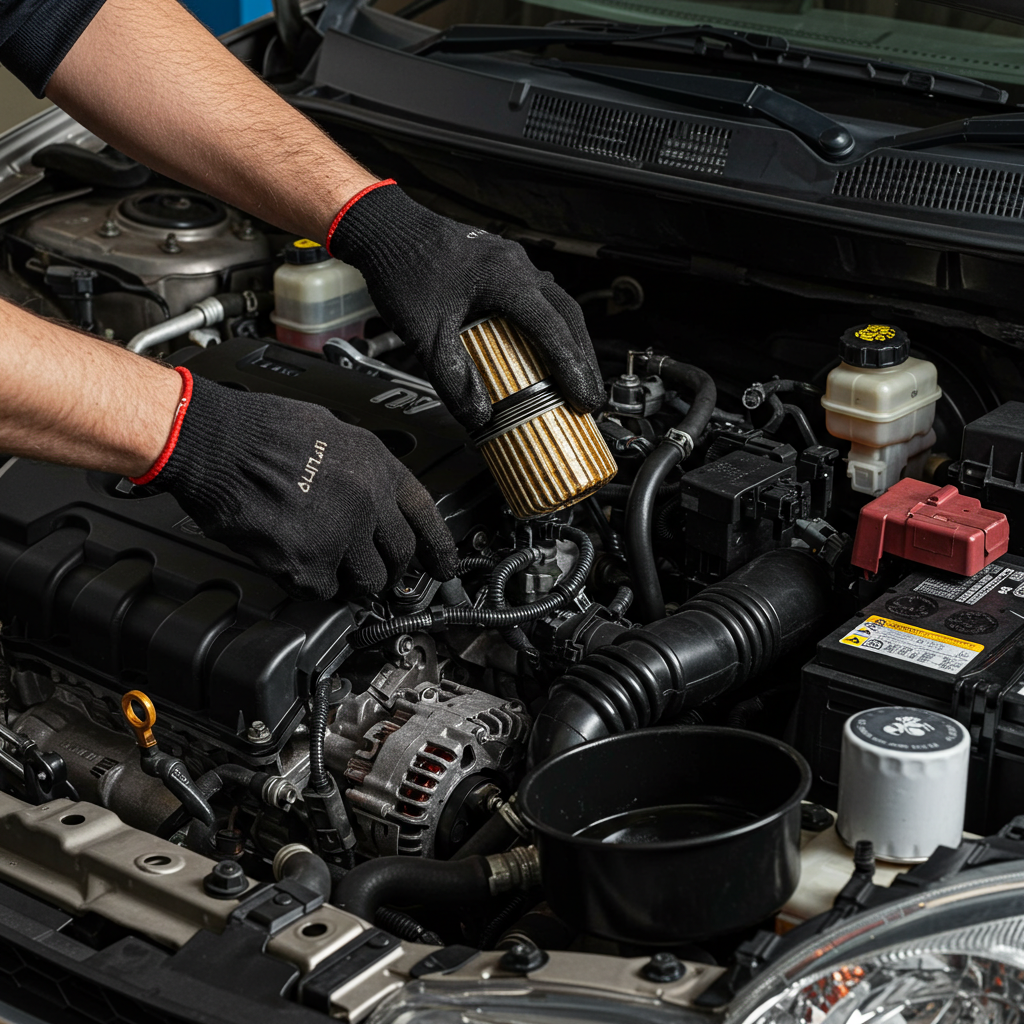
9 Warning Signs Your New Alto Needs an Oil Filter Replacement
The oil filter plays a vital role in keeping your Maruti Suzuki Alto engine running like a charm. While it may seem like a small component, it’s a powerful defender against dirt, grime, and metal particles. It works by trapping contaminants before they can circulate with the engine oil, which would otherwise wreak havoc on internal engine parts.
Every new Alto comes with a factory-fitted oil filter. But even brand-new vehicles need regular checkups, and knowing the warning signs your new Alto needs an oil filter replacement is key to preventing expensive engine damage
Why Timely Oil Filter Replacement Matters
Ignoring a failing oil filter can snowball into severe problems. While it may seem like a minor issue, the oil filter plays a crucial role in maintaining the health and performance of your Alto’s engine. Over time, an overworked or clogged oil filter becomes ineffective at removing dirt, debris, and microscopic metal particles from the engine oil. When this happens, dirty, contaminated oil begins circulating throughout the engine, creating a domino effect of wear and tear.
As the oil loses its ability to properly lubricate the engine’s moving parts, friction and heat begin to build up. This increased friction accelerates the wear on engine components such as pistons, valves, and bearings. Additionally, the engine becomes more prone to overheating, since clean oil also helps regulate temperature. Before you know it, something as small as a clogged filter could lead to serious engine damage, reduced efficiency, and costly repairs. Not to mention, it can significantly shorten your Alto’s engine lifespan.
Here’s why staying proactive with oil filter replacement makes perfect sense:
- Prevents Engine Overheating: A clean oil filter ensures proper oil flow, which helps cool internal components. Without it, heat can build up quickly and cause major engine failures.
- Improves Fuel Economy: When your engine runs smoothly with clean oil, it doesn’t have to work as hard. This translates to better mileage and less fuel burned per kilometer.
- Keeps Lubrication Efficient: Clean oil, properly filtered, reduces friction and protects metal surfaces from grinding against each other. This lowers the risk of premature wear.
- Avoids Costly Engine Repairs: Replacing an oil filter is a small maintenance expense compared to the high cost of repairing or replacing damaged engine parts.
In short, routine oil filter maintenance is a small step that delivers big benefits—for your wallet, your car’s performance, and the long-term health of your Alto.
1. Decreased Engine Performance
One of the first and most noticeable symptoms of a failing oil filter is a drop in engine performance. When the oil filter becomes clogged with debris and sludge, it restricts the flow of clean oil to the engine’s moving parts. This lack of proper lubrication leads to increased internal friction, which forces your engine to work harder than necessary.
As a result, you may notice your Alto feels sluggish, especially when trying to accelerate, climb steep inclines, or when the car is fully loaded. This reduced efficiency affects not only the engine but also other systems dependent on smooth engine operation.
Common symptoms include:
- Sluggish throttle response
- Rough or shaky idling at stoplights
- Jerky or delayed gear shifts (particularly in AMT or automatic variants)
2. Strange Engine Noises
An unusual or louder-than-normal engine sound often indicates lubrication issues due to a failing oil filter. When clean oil doesn’t reach vital engine parts like pistons and valves, these components begin to grind against each other, producing distinct noises that shouldn’t be ignored.
Listen for:
- Rattling sounds when idling or accelerating
- Ticking noises shortly after engine startup
- Metallic knocking or clunking while the engine is running
These noises can be early warnings of deeper mechanical problems and may subside after a simple oil and filter change if caught in time.
3. Dark or Dirty Exhaust Smoke
Clean combustion typically produces little to no visible exhaust from your Alto. However, when the oil filter is dirty and inefficient, unfiltered oil may seep into the combustion chamber, leading to partial burning and smoke production.
Watch for:
- Black smoke coming from the tailpipe
- Bluish exhaust fumes (often a sign of burning oil)
- A noticeable oily or acrid smell in the exhaust
These signs may also point to oil mixing with fuel or getting past worn-out piston rings, which is often aggravated by poor filtration.
4. Engine Overheating Issues
Your engine oil does more than lubricate—it also helps regulate engine temperature. A clogged oil filter can disrupt the oil flow, making it harder for heat to dissipate effectively. This can result in dangerous spikes in engine temperature.
Look out for:
- Temperature gauge rising quickly, especially in traffic
- Dashboard engine warning lights illuminating
- Hissing or popping sounds from under the hood after a drive
Persistent overheating due to oil flow issues can lead to head gasket failure or even engine seizure.
5. Drop in Fuel Efficiency
If your Alto’s mileage starts dropping suddenly and you’re making more frequent fuel stops, your oil filter might be the reason. A dirty filter causes the engine to work under strain, burning more fuel just to produce regular power output.
Indicators include:
- Noticeably fewer kilometers per litre, even on highways
- Frequent stops to refill despite similar driving habits
- Laggy throttle or inconsistent engine performance
Restoring proper oil circulation with a fresh filter can improve fuel economy and driving smoothness.
6. Oil Pressure Warning Light
Your Alto’s dashboard is designed to alert you to serious issues—and the oil pressure warning light is a big one. When this light turns on, it typically means the oil isn’t reaching the engine properly, often due to a blocked filter.
Potential consequences include:
- Critically low oil pressure
- Insufficient lubrication to major engine parts
- Risk of complete engine failure if ignored
If this warning light appears, it’s vital to stop the vehicle and check the oil level and filter condition immediately.
7. Dirty or Dark Engine Oil
Regularly inspecting your engine oil is an easy way to detect oil filter problems. Use the dipstick to check the color and consistency of the oil.
Warning signs:
- Oil appears dark brown, black, or sludgy
- Gritty particles present in the oil sample
- Oil is thick or smells burnt
Clean engine oil should have a golden, honey-like color and a smooth texture. If it doesn’t, it’s time for an oil and filter change.
8. Frequent Need for Oil Top-Ups
If you’re topping up your Alto’s engine oil more frequently than usual, it may not be due to a leak. A blocked filter can increase oil pressure inside the engine, causing seals to wear or blow out. This leads to oil loss through burning or minor leaks.
You might notice:
- Oil stains under the vehicle after parking
- Burning oil smell while driving
- Decrease in oil level on the dipstick between services
Replacing a clogged filter can relieve this pressure and help maintain oil volume more consistently.
9. Visual Inspection of the Oil Filter
Sometimes, a quick look under the hood or beneath the car can tell you all you need to know. If your oil filter looks aged, damaged, or corroded, it’s best to replace it—even if there are no obvious performance issues yet.
During inspection, check for:
- Dents or cracks on the filter casing
- Rust patches indicating age or water exposure
- Oil leaks around the filter base or mounting point
Replacing the filter during routine servicing is an affordable and preventative measure that helps protect your engine long-term.
When Should You Replace the Oil Filter in an Alto?
For optimal performance and engine longevity, Maruti Suzuki recommends replacing the oil filter in your Alto under the following standard conditions:
- Every 10,000 kilometers or
- Once a year, whichever comes first
However, real-world driving often varies from lab-tested conditions. If your daily commute involves heavy traffic, dusty environments, or frequent short trips, your oil and filter may degrade faster than expected. In such cases, more frequent changes are strongly advised—possibly every 5,000 to 7,000 km—to keep your engine protected.
For best results, it’s wise to replace the oil filter with every oil change. Since both the oil and filter work as a pair to maintain engine cleanliness, changing only one defeats the purpose of the service.
DIY vs. Mechanic: Who Should Replace It?
While replacing an oil filter is technically a straightforward task, it still demands the right tools, knowledge, and precision. Many car owners with mechanical know-how opt to do it themselves. However, for most drivers, especially those new to vehicle maintenance, the safer and more reliable choice is to let a certified mechanic handle the replacement during routine servicing.
Professional technicians ensure:
- The correct torque is applied when fitting the new filter (overtightening or undertightening can cause leaks)
- The old gasket is removed (to prevent a double seal, which could fail)
- No contaminants enter the engine during the replacement process
Incorrect installation may seem harmless at first, but it can lead to oil leakage, pressure drops, or even catastrophic engine damage over time.
Common Myths About Oil Filters and Engine Health
Let’s set the record straight by debunking a few widespread myths:
- Myth: “New cars don’t need oil filter changes early.”
Truth: Even brand-new engines shed tiny metal particles during the break-in period. These need to be filtered out immediately to avoid early wear and tear. Neglecting this step can allow abrasive debris to circulate and damage critical parts. - Myth: “Cheap oil filters are just as effective as branded ones.”
Truth: Not all filters are created equal. Substandard or counterfeit oil filters may:- Collapse under oil pressure
- Have poor seals that allow dirty oil to bypass filtration
- Use low-grade filter media that misses finer particles
Maintenance Tips to Avoid Oil Filter Issues
To ensure your Alto runs smoothly and your oil filter performs optimally, consider these practical maintenance tips:
- Stick to the recommended service schedule – Don’t delay oil and filter changes. Preventative maintenance is cheaper than engine repairs.
- Always use high-quality engine oil – Whether synthetic or semi-synthetic, clean oil enhances filter performance and engine durability.
- Avoid excessively dusty roads when possible – Dust can accelerate filter clogging and degrade oil faster.
- Perform regular dipstick checks – Monitor the oil’s color, consistency, and level. Catching early signs of contamination helps you act before damage sets in.
These small habits can make a big difference in preserving your vehicle’s efficiency and reliability.
Choosing the Right Oil Filter for Your Alto
Using the right oil filter isn’t just about fit—it’s about function, compatibility, and quality. For best results, always choose:
- OEM (Original Equipment Manufacturer) oil filters – These are designed specifically for your Alto’s engine and meet all performance standards.
- Brands recommended in your vehicle’s owner’s manual – Stick with trusted manufacturers like Maruti Genuine Parts or other authorized suppliers.
- Avoid off-brand or untested filters – Cheap alternatives may fit but often fail to provide the filtration quality needed, risking your engine’s health.
When in doubt, consult your mechanic or authorized service center to ensure you’re making the safest choice.
FAQs About Alto Oil Filter Replacement
Conclusion: Keep Your Alto Running Smoothly
The warning signs your new Alto needs an oil filter replacement aren’t just small hints—they’re your car’s way of asking for help. From poor mileage to unusual sounds, these red flags are easy to spot if you know what to look for. Stay ahead with regular checks and timely replacements to keep your Alto efficient, powerful, and trouble-free.


