
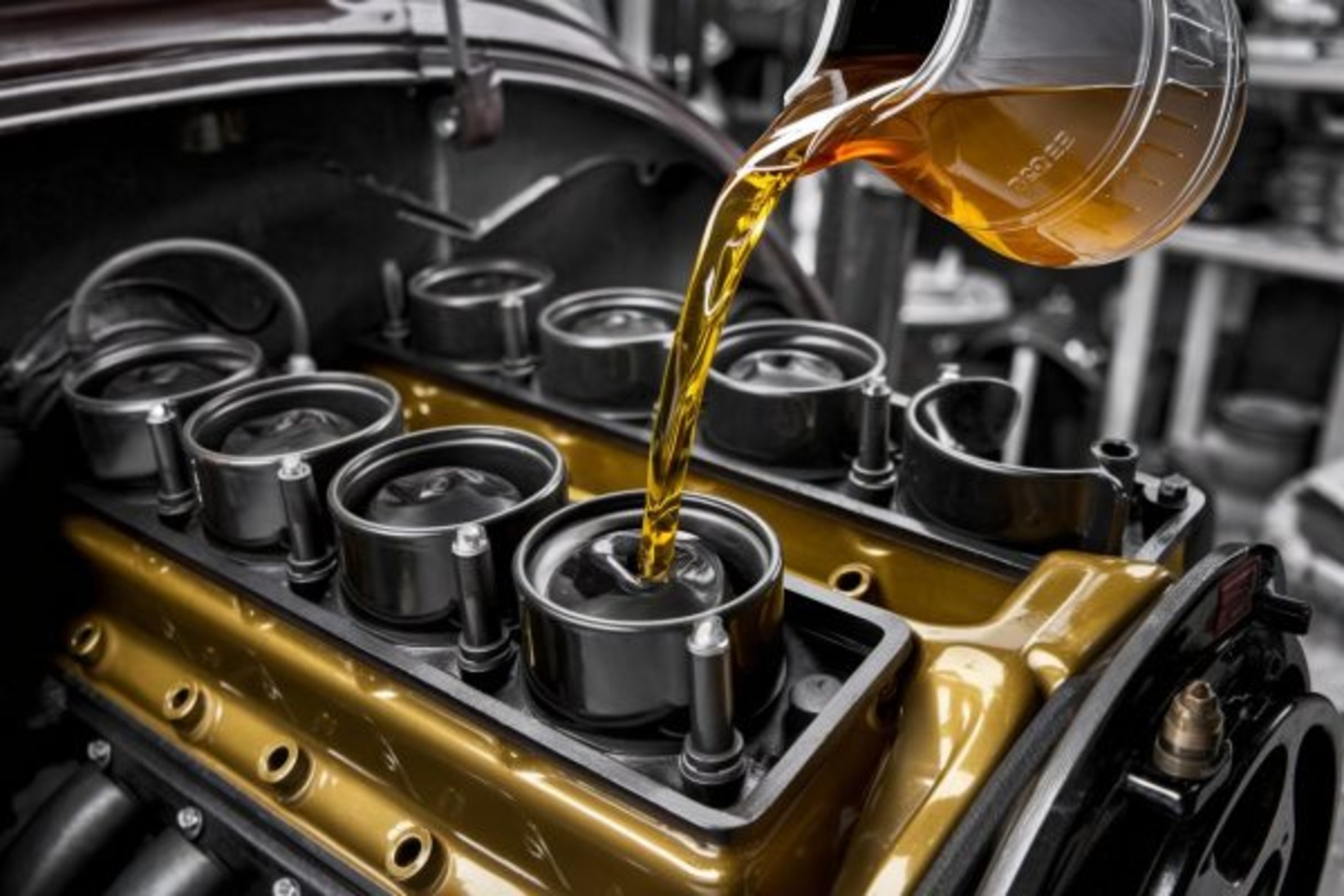
Why Your Car Oil Choice Matters: Best Picks for 2025!
Your car’s engine is a complex machine that relies on high-quality motor oil to function correctly. Choosing the right oil can extend your engine’s lifespan, improve fuel efficiency, and prevent costly repairs. In this article, we’ll explore the best car oil options for 2025 and help you make an informed decision.
How Car Oil Affects Performance
Car oil is the lifeblood of your vehicle, ensuring all moving parts function smoothly while preventing damage. Many drivers underestimate its importance, but choosing the right oil significantly impacts your car’s performance, efficiency, and longevity. Here’s a closer look at how car oil influences performance:
1. Reducing Friction to Prevent Overheating
The primary function of car oil is to lubricate the metal components inside the engine. As the engine runs, various parts such as pistons, camshafts, and crankshafts move at high speeds and come into contact with each other. Without proper lubrication, this metal-to-metal contact creates excessive friction, generating heat and leading to premature wear.
High-quality motor oil forms a protective layer between these components, reducing direct contact and minimizing friction. This not only prevents overheating but also improves overall efficiency, allowing the engine to operate at an optimal temperature.
2. Cleaning Engine Components by Carrying Away Contaminants
Over time, engines accumulate dirt, metal shavings, and carbon deposits from fuel combustion. If left unchecked, these contaminants can clog vital engine parts, reducing efficiency and leading to damage. Car oil plays a crucial role in cleaning the engine by trapping these impurities and preventing sludge buildup.
Modern motor oils contain detergents and dispersants that help break down deposits and suspend dirt particles, allowing them to be removed when the oil is changed. Without regular oil changes, these contaminants can thicken the oil, reducing its effectiveness and causing internal damage.
3. Protecting Against Wear and Tear
Engines undergo significant stress, especially during high-speed driving, stop-and-go traffic, and extreme weather conditions. The constant motion of metal parts creates wear and tear over time, leading to decreased performance and potential breakdowns.
Car oil contains anti-wear additives such as zinc dialkyldithiophosphate (ZDDP) and molybdenum that coat engine components, reducing wear and prolonging the lifespan of critical parts. This protective barrier ensures that parts remain intact, reducing the likelihood of costly repairs or complete engine failure.
4. Improving Fuel Economy by Reducing Resistance
Fuel efficiency is a major concern for vehicle owners, and engine oil plays a significant role in determining how much fuel your car consumes. The smoother an engine runs, the less effort it requires to function, resulting in better fuel economy.
Using the right viscosity oil ensures optimal lubrication, reducing internal resistance and improving engine efficiency. Thicker oil can create more resistance, making the engine work harder and using more fuel, while oil that is too thin may not provide sufficient protection. That’s why it’s essential to use the manufacturer-recommended oil viscosity to achieve the best balance of lubrication and efficiency.
5. Preventing Sludge Buildup and Engine Failure
If car oil is not changed regularly, it can become thick and sludgy due to oxidation and contamination. Sludge buildup restricts oil flow, leading to increased friction and overheating. In severe cases, blocked oil passages can cause engine seizures, resulting in expensive repairs or complete failure.
Certain driving conditions, such as short trips, extreme heat, and stop-and-go traffic, can accelerate sludge formation. High-quality synthetic oils resist sludge buildup better than conventional oils, making them an excellent choice for modern engines.
The Dangers of Using the Wrong Oil
Using the wrong type of car oil can have serious consequences, including:
- Increased wear and tear due to insufficient lubrication
- Higher fuel consumption caused by excessive resistance
- Overheating issues due to poor heat dissipation
- Oil leaks or gasket damage if the oil is too thin or thick for the engine
- Reduced engine lifespan due to sludge buildup and poor protection
To avoid these issues, always use the oil recommended in your vehicle’s owner’s manual and follow the manufacturer’s guidelines for oil changes.
Different Types of Motor Oils
Motor oil is essential for keeping your engine running smoothly, but not all oils are created equal. There are several types of motor oils, each designed to meet different driving conditions, vehicle requirements, and performance needs. Choosing the right type of oil can improve your car’s longevity, efficiency, and overall reliability. Below is a detailed look at the four main types of motor oils and their uses.
1. Conventional Oil (Mineral Oil)
Conventional oil is refined from crude oil and contains minimal additives. It is best suited for older vehicles and drivers who follow regular oil change intervals. It provides basic lubrication and protection but requires more frequent changes compared to synthetic options.
Best Conventional Oils for 2025:
- Pennzoil Conventional Motor Oil – Reliable and cost-effective for standard engines
- Shell Rotella T4 – Great for diesel and heavy-duty vehicles
2. Synthetic Oil
Synthetic oil is chemically engineered for superior performance, offering excellent lubrication, thermal stability, and engine protection. It flows well in cold temperatures and resists breakdown in extreme heat, making it ideal for modern, high-performance engines.
Best Synthetic Oils for 2025:
- Mobil 1 Extended Performance – Provides long-lasting protection for high-mileage engines
- Castrol EDGE Advanced – Designed for extreme pressure and turbocharged engines
- Valvoline Advanced Full Synthetic – Performs well in all weather conditions
3. Synthetic Blend Oil
A synthetic blend is a mix of conventional and synthetic oils, offering a balance between cost and performance. It provides better protection than conventional oil and is well-suited for vehicles that experience moderate to heavy driving conditions.
Best Synthetic Blend Oils for 2025:
- Motorcraft Synthetic Blend – Recommended for Ford vehicles and offers excellent protection
- Castrol GTX Magnatec – Designed to reduce engine wear with added protection
4. High-Mileage Oil
High-mileage oil is formulated for vehicles with over 75,000 miles, containing special additives that help reduce leaks, minimize oil consumption, and protect aging engine components. It helps extend the life of older engines by conditioning seals and preventing sludge buildup.
Best High-Mileage Oils for 2025:
- Valvoline MaxLife High Mileage – Designed to reduce wear and oil leaks in aging engines
- Castrol GTX High Mileage – Helps prevent sludge buildup and improves engine efficiency
5. Performance (Pro) Motor Oil
Performance motor oils are designed for high-performance and racing engines. They contain advanced additives that enhance lubrication, reduce friction, and withstand extreme driving conditions. These oils are ideal for sports cars, track use, and vehicles that undergo high stress.
Best Performance (Pro) Oils for 2025:
Red Line Synthetic Oil – Designed for racing and extreme driving conditions
Royal Purple High-Performance Oil – Known for superior engine protection and enhanced horsepower
How to Choose the Right Oil for Your Car
Selecting the right motor oil is essential for maintaining engine health, improving performance, and extending the lifespan of your vehicle. With so many options available, it can be confusing to determine which oil best suits your car’s needs. Here’s a detailed guide on the key factors to consider when choosing the right oil for your vehicle.
1. Understanding Viscosity Grades
Viscosity refers to the oil’s thickness and its ability to flow at different temperatures. It is represented by a number and letter combination, such as 5W-30 or 10W-40. The first number (before the “W”) indicates the oil’s viscosity in cold temperatures (Winter rating), while the second number shows its viscosity at high temperatures.
Common Viscosity Grades and Their Uses:
| Viscosity Grade | Best For |
|---|---|
| 5W-30 | Most modern cars, balanced performance in hot and cold weather |
| 10W-40 | Older engines, better protection at high temperatures |
| 0W-20 | Newer engines with improved fuel efficiency, excellent cold-weather start-up |
| 15W-40 | Diesel engines, heavy-duty trucks, high-load applications |
Using the correct viscosity ensures proper lubrication, reduces wear and tear, and prevents excessive oil consumption. Always check your vehicle’s owner’s manual for the recommended viscosity grade.
2. API Ratings and Certification
The American Petroleum Institute (API) sets oil quality standards to ensure compatibility with modern engines. API ratings indicate the performance level and suitability of the oil for different engine types.
Key API Ratings to Look For:
- API SP – Latest standard for gasoline engines, offering better protection against wear and deposits
- API SN – Suitable for most modern vehicles, improves fuel economy and prevents sludge buildup
- API CK-4 – Designed for diesel engines, providing enhanced protection for heavy-duty applications
Most modern vehicles require API SN or API SP-certified oils for optimal performance. You can find the API certification on the oil container’s label.
3. Following Manufacturer Recommendations
Car manufacturers specify the ideal oil type, viscosity grade, and certification for each engine. The best way to ensure compatibility is to check the owner’s manual or the oil cap under the hood.
Where to Find Manufacturer Recommendations:
- Owner’s Manual – Lists the exact viscosity grade and API rating
- Oil Cap on the Engine – Often displays the recommended oil type
- Dealership or Website – Car manufacturers provide oil recommendations based on engine specifications
Using the manufacturer-recommended oil helps maintain warranty coverage, fuel efficiency, and engine longevity.
4. Considering Driving Conditions and Climate
Your driving habits and the climate in which you operate your vehicle also affect oil selection.
Best Oil Types Based on Driving Conditions:
| Driving Condition | Recommended Oil Type |
|---|---|
| Daily city driving | Conventional or synthetic blend oil |
| Extreme heat or cold | Full synthetic oil for better temperature stability |
| Towing or heavy loads | High-viscosity synthetic or synthetic blend oil |
| High-mileage vehicles (75,000+ miles) | High-mileage oil with seal conditioners |
If you frequently drive in stop-and-go traffic, extreme temperatures, or harsh conditions, using synthetic or high-mileage oil can provide added protection.
5. Choosing Between Conventional, Synthetic, and High-Mileage Oil
Different types of motor oils are designed for specific car oil needs and performance levels.
Comparison of Oil Types:
| Oil Type | Best For |
|---|---|
| Conventional Oil | Older cars, regular oil change intervals |
| Synthetic Oil | High-performance vehicles, extreme temperatures |
| Synthetic Blend | Balance of affordability and performance |
| High-Mileage Oil | Vehicles with 75,000+ miles, prevents leaks and wear |
Selecting the right oil type ensures that your engine stays properly lubricated and protected from wear and tear.


