Is Your Car Exterior Detailing Ready? Find Out Now in 2025!
Maintaining the appearance of your car isn’t just about aesthetics—it’s about preserving its value and protecting its exterior from environmental damage. Car detailing is a meticulous process that goes beyond a simple wash to restore and protect your vehicle. But how do you know if your car is ready for detailing? This article will guide you through identifying the signs, understanding the benefits, and following the step-by-step Car Exterior detailing process.
Why Is Car Exterior Detailing Necessary?
Enhancing Your Car’s Lifespan
Regular detailing acts as a shield for your car’s paintwork, protecting it from harmful UV rays, environmental pollutants, and abrasive contaminants. Over time, exposure to these elements can cause oxidation, fading, and surface degradation, leading to premature aging. Detailing involves applying protective layers such as wax, sealants, or ceramic coatings, which form a barrier against external damage. These layers help maintain the paint’s integrity, preserving its original shine and color. By investing in regular detailing, you ensure your vehicle remains durable and visually appealing for years to come.
Improving Aesthetic Appeal
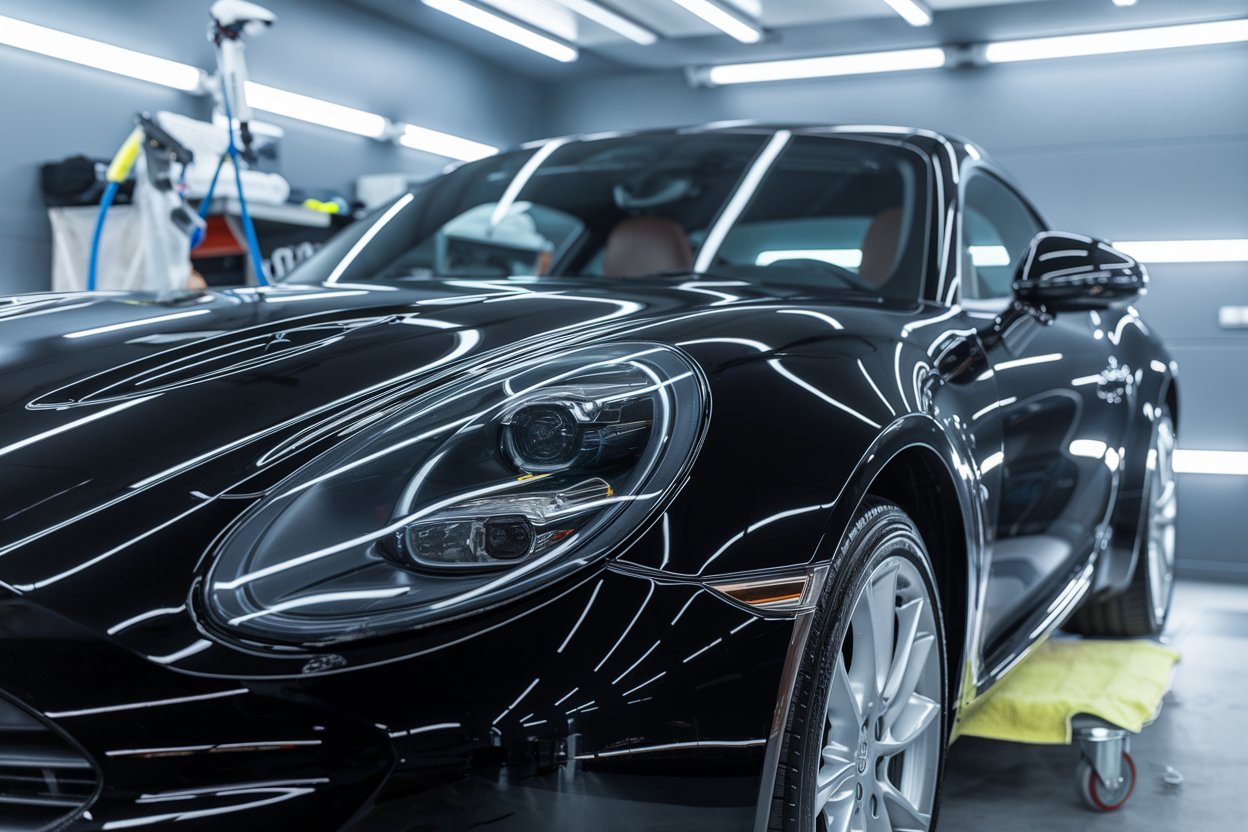
A professionally detailed car not only looks good but also makes a lasting impression. Detailing removes imperfections like scratches, swirl marks, and stubborn grime that can dull your car’s finish. The process includes paint correction and polishing, restoring the surface to a pristine, showroom-like condition. The deep cleaning and restoration enhance the clarity and reflectiveness of the paint, making your car stand out. Whether for personal satisfaction or professional image, a detailed car exudes sophistication and meticulous care.
Increasing Resale Value
When selling or trading in your car, first impressions matter greatly. A well-detailed exterior reflects consistent care and maintenance, attracting buyers willing to pay a premium. Detailing restores the car’s shine and removes visible imperfections, boosting its visual appeal. Protective treatments, like wax or ceramic coatings, not only safeguard the paint but also suggest the owner prioritized the vehicle’s upkeep. A maintained car not only commands a higher market value but also sells faster, making detailing a worthwhile investment.
Signs Your Car Needs Detailing
Fading Paintwork
If your car’s paint appears dull or lacks its original shine, it’s a clear sign it needs professional attention. Fading often occurs due to prolonged exposure to sunlight and lack of protection.
Stubborn Stains and Grime
Road tar, bird droppings, and other stubborn contaminants can damage your car’s paint if left untreated. Detailing removes these safely and effectively.
Scratches and Swirls
Light scratches and swirl marks not only mar the appearance but also expose the underlying layers of paint, making them more vulnerable to corrosion.
Understanding Paint Condition
The Role of Paint in Aesthetic Appeal
Paint isn’t just about color; it’s your car’s first line of defense against environmental elements. Maintaining its integrity ensures your car stays protected and looks great.
Common Paint Issues to Address Before Detailing
Oxidation, clear coat failure, and uneven surfaces need to be corrected during detailing to achieve a smooth, reflective finish.
Step-by-Step Process of Car Exterior Detailing
Step 1: Inspect the Exterior
Before beginning, assess your car’s condition. Identify areas with scratches, stains, and imperfections. A thorough inspection ensures targeted and efficient car exterior detailing
Step 2: Wash and Decontaminate
Use high-quality car shampoo and a microfiber mitt for a gentle wash. Decontaminate the surface with a clay bar to remove embedded dirt and debris.
Step 3: Correct Paint Imperfections
Buff out scratches and swirls using a polishing compound and a dual-action polisher. This step restores the paint’s smoothness and shine.
Step 4: Apply Sealants or Wax
Seal the surface with a high-quality wax or synthetic sealant. These provide a protective layer against UV rays, rain, and dirt, while enhancing the gloss.
Assessing Surface Contaminants
A vehicle’s exterior often faces exposure to various pollutants and particles that embed themselves into the paintwork over time. Identifying and addressing these contaminants is a crucial step before detailing to ensure a flawless finish. Here’s a closer look at how to assess and tackle surface contaminants:
The Clay Bar Test
After thoroughly washing your car, you can perform a simple test to check for surface contaminants:
- Run Your Fingers Across the Paintwork: Lightly glide your fingertips over the car’s surface. If it feels rough, gritty, or uneven, it indicates the presence of bonded contaminants.
- Use a Plastic Bag for Enhanced Sensitivity: Place a thin plastic bag over your hand and repeat the test. The bag amplifies your tactile sensitivity, making it easier to detect minor imperfections.
- Apply a Clay Bar Treatment:
- Use a lubricating spray to ensure smooth movement.
- Gently rub the clay bar over the affected areas in a back-and-forth motion.
- The clay bar will lift contaminants like tar, road grime, and overspray without damaging the paint.
- Inspect the Results: After claying, the surface should feel smooth. If roughness persists, reapply the clay bar treatment to problem areas.
Identifying Embedded Contaminants
Some contaminants, such as iron particles and industrial fallout, are not easily removed through washing or claying. These require specialized attention:
- Iron Particles:
- Often from brake dust or rail dust, iron particles embed into the paint and corrode over time.
- Solution: Use an iron remover spray.
- Apply the product evenly across the paintwork.
- Wait for the chemical reaction (indicated by a color change, often to purple).
- Rinse thoroughly with water.
- Industrial Fallout:
- Pollutants from factories and heavy machinery can adhere to the surface and form stubborn deposits.
- Solution: A fallout remover, combined with the clay bar treatment, works effectively.
- Tree Sap and Bird Droppings:
- Organic contaminants like sap can harden and bond strongly to the surface, while bird droppings are acidic and can etch the paint.
- Solution:
- Use a dedicated tree sap remover or a mixture of isopropyl alcohol and water.
- For bird droppings, soak the area with a pH-balanced cleaner before gently wiping it away.
- Water Spots and Mineral Deposits:
- Hard water can leave behind mineral residue, creating unsightly spots on the paint and windows.
- Solution: Use a water spot remover or a diluted vinegar solution to dissolve minerals, followed by a microfiber cloth for wiping.
Preventive Tips
- Consider applying a ceramic coating or paint sealant for an added layer of protection against embedded contaminants.
- Regular washing and waxing can help reduce contaminant buildup.
- Park in covered or shaded areas to minimize exposure to industrial pollutants, tree sap, and bird droppings.
Testing Water Beading
What Water Beading Reveals
Water beading on your car’s surface indicates the presence of a protective coating. If water spreads out, it’s time to reapply wax or sealants.
Methods to Test Paint Sealants
Spray water onto the car and observe its behavior. Beads that roll off quickly show that the sealant is still effective.
FAQs
Conclusion
Car Exterior Detailing isn’t just a luxury—it’s a crucial step in maintaining your vehicle’s appearance and value. Regular Car Exterior Detailing helps prevent damage from environmental factors like UV rays, pollutants, and contaminants. It also restores your car’s shine and enhances its overall aesthetic appeal. Whether you opt for DIY methods or professional services, following a structured process ensures that your Car Exterior Detailing efforts yield optimal results, keeping your vehicle looking its best for years to come.