
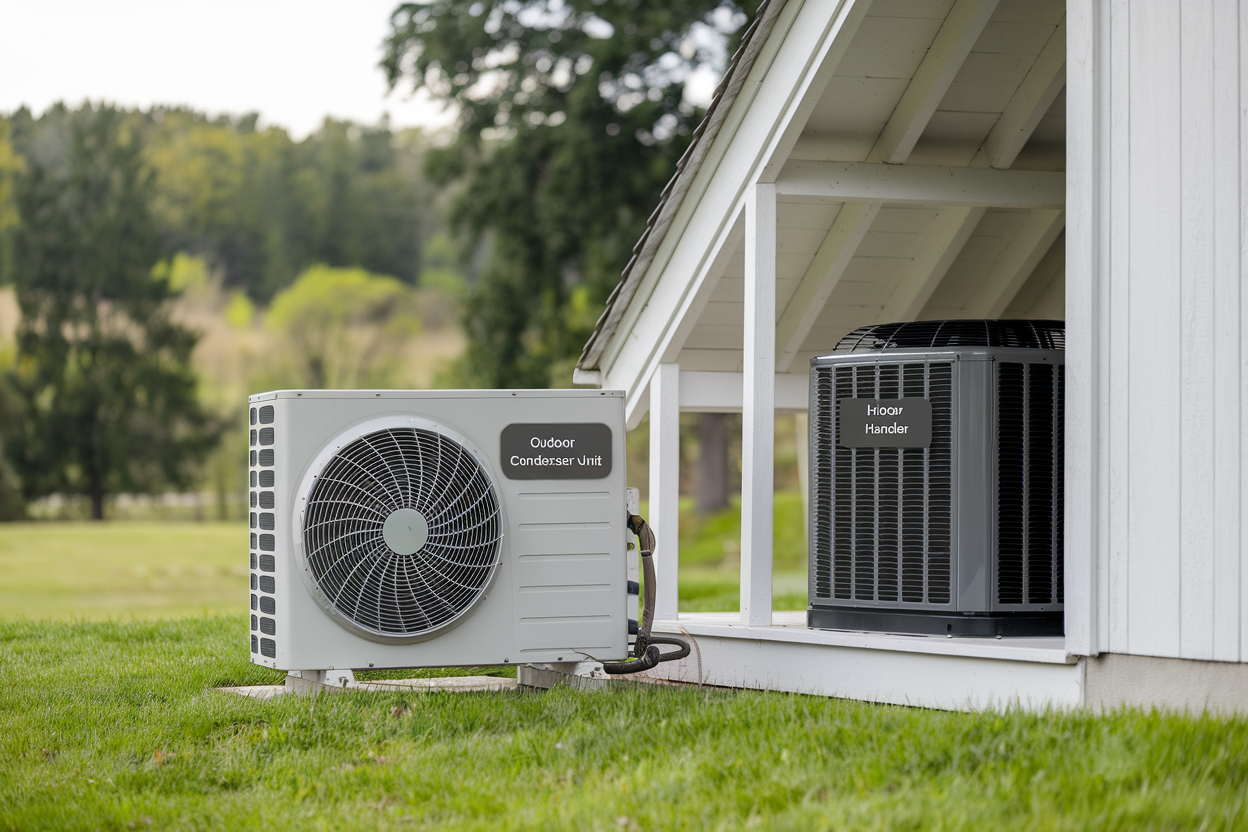
HVAC and Refrigeration: 10 Best Concepts Every Homeowner Should Know
Heating, Ventilation, and Air Conditioning (HVAC) systems are essential in maintaining comfortable and healthy living environments, while refrigeration systems help keep food and perishables fresh. As a homeowner, understanding the basics of these systems can help you make informed decisions, save on energy costs, and ensure proper maintenance. In this comprehensive guide, we’ll explore the key concepts of HVAC and refrigeration, covering everything from system components to troubleshooting and maintenance tips.
The Key Components of HVAC Systems
| Component | Description |
|---|---|
| Heating Systems | The heating element in an HVAC system, often powered by gas, electricity, or oil. |
| VentilationCirculates fresh air into the home, removing moisture, odors, and indoor pollutants. | |
| Air Conditioning | Cools and dehumidifies the air, keeping the home comfortable during hot weather. |
| Thermostat | A device that controls the temperature by regulating the HVAC system’s operation. |
HVAC systems consist of several components that work together to regulate temperature and maintain air quality inside your home. Heating systems, such as furnaces or heat pumps, provide warmth during colder months. Ventilation systems ensure proper airflow and exchange indoor air with fresh outdoor air. Air conditioning cools the air and removes excess moisture. Together, these elements create a comfortable indoor environment.
How Refrigeration Systems Work
Refrigeration systems are designed to remove heat from enclosed spaces, which keeps perishable goods like food fresh. The process relies on the refrigerant cycle, which includes evaporation, condensation, and compression.
| Process | Description |
|---|---|
| Evaporation | The refrigerant absorbs heat from the environment, turning into a gas. |
| Compression | The refrigerant gas is compressed, raising its pressure and temperature. |
| Condensation | The high-pressure gas releases heat as it condenses back into a liquid form. |
| Expansion | The refrigerant expands and cools, repeating the cycle. |
The Importance of Proper Insulation
Proper insulation is crucial for both HVAC and refrigeration systems, as it helps retain the desired temperature inside your home or refrigerator. Insulation minimizes the transfer of heat, improving energy efficiency and reducing energy costs.
| Type of Insulation | Benefit |
|---|---|
| Fiberglass | Affordable, easy to install, and resistant to moisture. |
| Spray Foam | Provides excellent air sealing and reduces energy loss. |
| Rigid Foam | Ideal for areas that require higher R-value (insulation rating). |
Choosing the right insulation for your home can significantly improve the efficiency of your HVAC system, helping to keep your home warm in winter and cool in summer.
Energy Efficiency in HVAC Systems
Improving the energy efficiency of your HVAC system not only reduces your carbon footprint but also saves money on energy bills. One of the key metrics for energy efficiency is the SEER (Seasonal Energy Efficiency Ratio) rating, which measures the cooling output of an HVAC system compared to its energy consumption.
| SEER Rating | Efficiency Level |
|---|---|
| 14-15 | Standard efficiency |
| 16-18 | High efficiency |
| 19+ | Very high efficiency, suitable for energy-conscious homeowners |
To maximize the energy efficiency of your system, make sure it is regularly serviced, your home is properly insulated, and you use a programmable or smart thermostat to control temperatures when you are not home.
Common HVAC and Refrigeration Issues
Even well-maintained systems can experience problems from time to time. Here are some common HVAC and refrigeration issues:
| Issue | Cause |
|---|---|
| Refrigerant Leaks | Worn-out connections or damaged refrigerant lines. |
| Dirty Filters | Clogged air filters restrict airflow and reduce system efficiency. |
| Thermostat Malfunction | Faulty wiring or sensor issues cause incorrect temperature readings. |
| Poor Airflow | Blocked vents, dirty ductwork, or broken fans can cause reduced airflow. |
Regular Maintenance of HVAC Systems
Regular maintenance is essential to keep your HVAC system running smoothly and efficiently. Here are some tips to maintain your system:
- Change air filters every 1-3 months to ensure proper airflow.
- Clean coils in your air conditioner or heat pump annually.
- Check refrigerant levels regularly to avoid low refrigerant issues.
- Inspect ductwork for leaks and blockages, ensuring proper ventilation.
Performing these tasks can help extend the lifespan of your HVAC system and avoid costly repairs.
The Role of Thermostats in HVAC Systems
Thermostats play a critical role in maintaining the right indoor temperature. There are different types of thermostats, including programmable and smart thermostats, each offering varying levels of control.
| Type of Thermostat | Benefits |
|---|---|
| Programmable | Allows you to schedule temperature changes based on daily routines. |
| Smart | Adjusts temperature settings automatically based on your behavior and preferences. |
By using a smart thermostat, you can save energy by only heating or cooling your home when needed, without sacrificing comfort.
Choosing the Right HVAC System
Selecting the right HVAC system for your home depends on several factors, including the size of your home, your budget, and your energy efficiency goals.
| HVAC System | Best For |
|---|---|
| Central HVAC | Large homes that require consistent heating and cooling across multiple rooms. |
| Ductless Mini-Split | Homes without ductwork or rooms that require individual temperature control. |
| Heat Pumps | Energy-efficient systems suitable for moderate climates. |
It’s essential to choose a system that matches your specific needs to ensure optimal performance and energy efficiency.
Air Quality and Your HVAC System
The air quality in your home is directly impacted by your HVAC system. Air filters play a significant role in trapping dust, allergens, and other pollutants, improving the overall air quality.
- Replace air filters regularly to maintain clean airflow.
- Use air purifiers in combination with your HVAC system to remove additional contaminants.
- Seal ductwork to prevent the introduction of dust and pollutants into your home.
Improving air quality can lead to better health, especially for individuals with allergies or respiratory issues.
Eco-Friendly Refrigerants
Eco-friendly refrigerants, such as R-410A and R-32, have gained popularity due to their reduced environmental impact compared to older refrigerants like R-22. These newer refrigerants have lower global warming potential (GWP) and do not contribute to ozone depletion.
| Refrigerant | Environmental Impact |
|---|---|
| R-22 | Ozone-depleting refrigerant, phased out due to environmental concerns. |
| R-410A | Non-ozone-depleting refrigerant with lower GWP. |
| R-32 | Even lower GWP than R-410A, making it an eco-friendly option. |
Switching to eco-friendly refrigerants is a great way to reduce your environmental footprint while maintaining an efficient system.
The Future of HVAC and Refrigeration
As technology continues to evolve, the HVAC and refrigeration industries are seeing advancements in efficiency, smart technology, and eco-friendly systems. Some trends to watch for in the future include:
- AI-powered thermostats that learn user habits and optimize energy usage.
- Smart HVAC systems that can be controlled remotely via mobile apps.
- Solar-powered HVAC systems that reduce dependence on non-renewable energy sources.
These innovations aim to improve efficiency, reduce energy costs, and promote sustainability.