What are the three types of measuring instruments?
The three types of measuring instruments are electrical, electronic, and mechanical instruments. Electrical instruments are used to measure electrical quantities, electronic instruments use electronic components to measure various amounts, and mechanical instruments use mechanical components for measurement. Some common examples of measuring instruments include calipers, micrometers, rulers, thermometers, and compasses.
Measuring instruments play a vital role in a world driven by precision and accuracy. These instruments are indispensable in our daily lives, scientific experiments, and industrial processes. Let’s delve into the three primary types of measuring instruments and explore their significance in various domains.
What are measuring instruments?
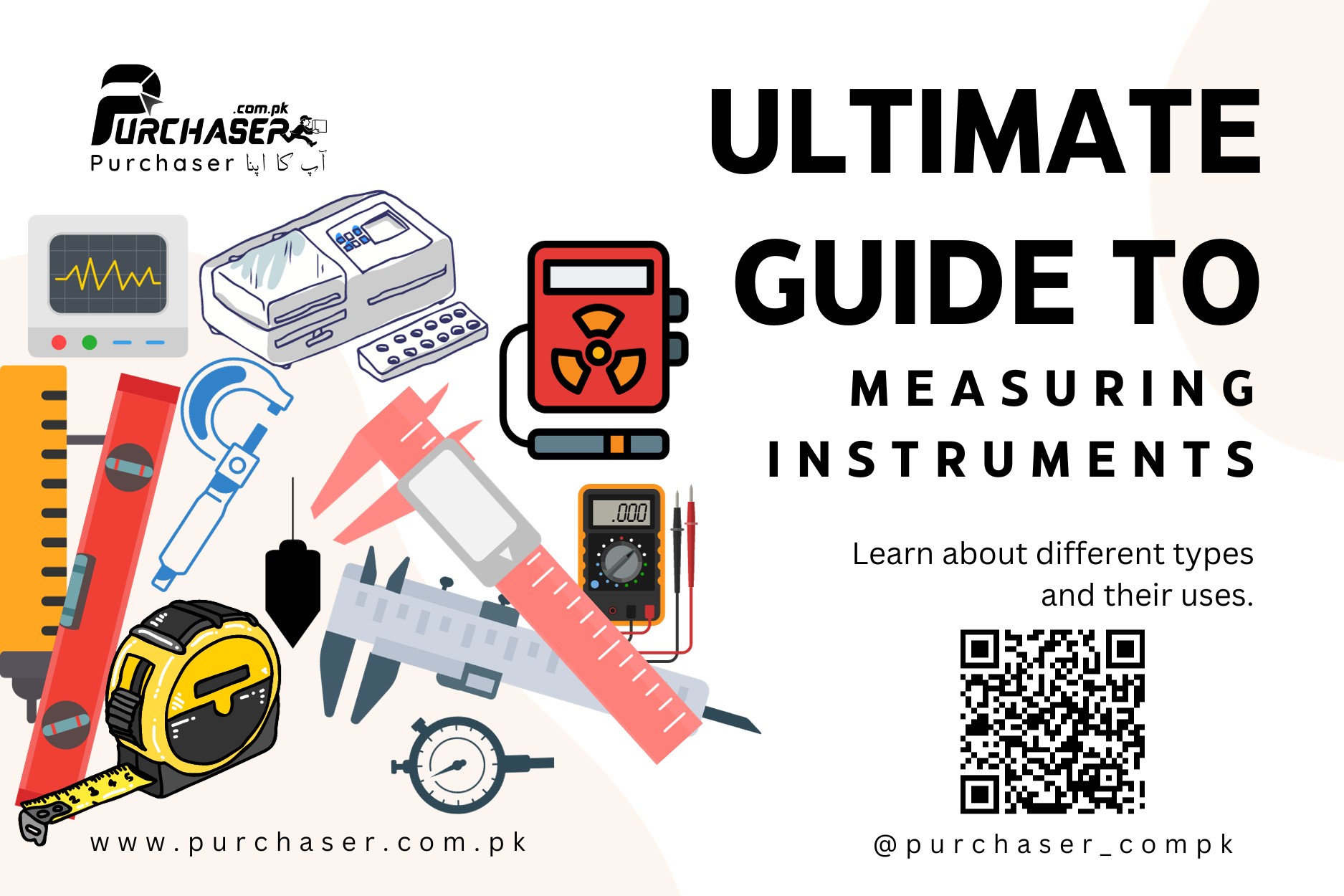
Measuring instruments measure physical quantities in various fields, such as physical sciences, quality assurance, and engineering. They are essential for obtaining and comparing physical quantities of real-world objects and events. Measuring instruments can be classified into different types, such as material measures, measuring transducers, indicating instruments, recording instruments, and measuring systems. Some common examples of measuring instruments include:
- Material measures: These are measuring instruments that reproduce one or more known values of a given quantity, such as balance weights, measuring resistors, measuring capacitors, and reference materials.
- Measuring transducers: These devices convert a physical quantity into an electrical signal, which can then be processed and displayed.
- Indicating instruments: These instruments, such as thermometers, barometers, and gauges, display the measured value visually or audibly.
- Recording instruments: These devices, such as pen recorders and data loggers, record the measured value for later analysis.
- Measuring systems: These are combinations of measuring instruments and data processing equipment, such as computerized systems for data acquisition and analysis.
Measuring instruments can be either analog or digital, with analog instruments using a movable pointer to display the measured value and digital instruments using electronic components for precise measurements. The accuracy of a measuring instrument is an essential1 factor, as it determines the degree of exactness of a measurement compared to the expected2 (desired) value. Other factors, such as resolution and precision, also play a role in the performance of measuring instruments.

Types of Measuring Instruments
Measuring instruments come in various types, each tailored to specific needs and applications. Here are some common types:
Traditional Measuring Tools
Traditional measuring tools are fundamental instruments that have been relied upon for generations to obtain basic and accurate measurements in various applications. Often simple in design, these tools remain indispensable in everyday tasks and specific professional fields. Here are some standard traditional measuring tools:
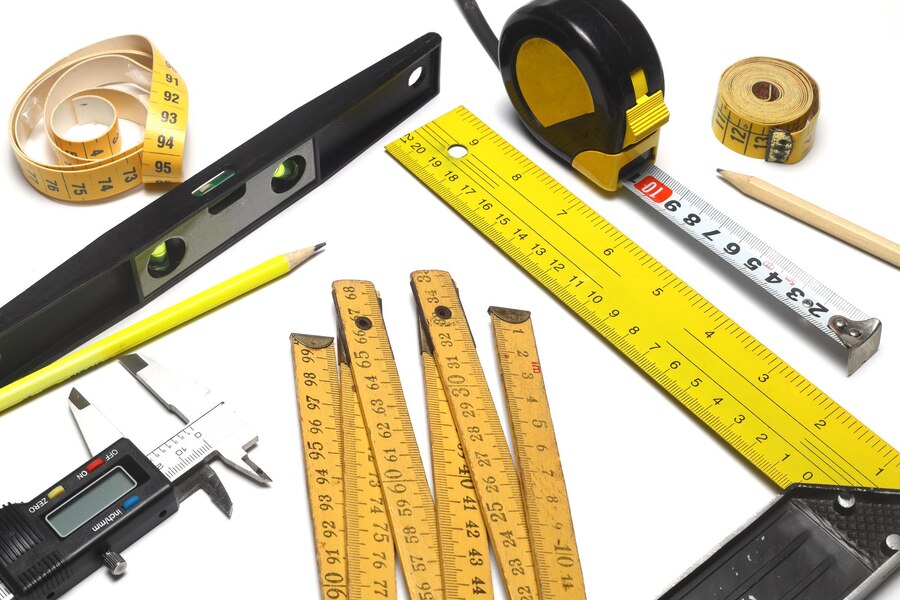
- Ruler: A straight, flat tool typically marked with units of measurement, such as inches or centimeters3. Rulers are widely used in schools, offices, and households for measuring straight distances on flat surfaces.
- Tape Measure: A flexible measuring tool with retractable tape, often made of metal or fabric. Tape measures are versatile, allowing users to measure around curves or objects, making them familiar in construction, carpentry, and sewing.
- Yardstick: Similar to a ruler but longer, typically one yard (36 inches) in length. Yardsticks help measure longer distances accurately and are commonly found in educational settings.
- Measuring Tape: Similar to a tape measure but typically made of fabric. Measuring tapes are commonly used in tailoring and fashion design for taking precise body measurements.
- Straightedge: A rigid, straight tool for drawing or measuring straight lines. Straightedges are common in drafting and artistic endeavors where precision is essential.
- Carpenter’s Square: A right-angled measuring tool with a straight edge and a perpendicular arm, often used in carpentry for ensuring accurate right angles and measuring lengths.
- Level: A tool with a bubble or vial that helps determine whether a surface is horizontal (level) or vertical (plumb). Levels are crucial in construction and carpentry for ensuring accuracy.
- Plumb Bob: A weighted object suspended from a string used to establish a vertical reference line. Plumb bobs are employed in construction and surveying for precise vertical measurements.
These traditional measuring tools, though basic in design, continue to be essential for obtaining accurate measurements in various contexts. They form the foundation of measurement practices and are often the go-to instruments for quick and reliable results.
Mechanical Measuring Instruments
Mechanical measuring instruments are precision tools that operate on mechanical principles to provide accurate measurements. These instruments are widely used in various industries, particularly in manufacturing, engineering, and other applications where precision is paramount. Here are some common examples of mechanical measuring instruments:
- Vernier Calipers: Vernier calipers are versatile measuring tools designed to measure the distance between two opposite sides of an object4. Digital calipers and micrometers are commonly used in manufacturing and engineering for precise length measurements.
- Micrometer: A micrometer, often called a “mic,” is a highly accurate measuring instrument for measuring extremely small distances. It consists of a screw mechanism for precise adjustment, making it ideal for applications where smaller measurements are crucial.
- Dial Indicator: Dial indicators are instruments with a dial displaying measurements and a needle that moves in response to slight changes. They are frequently used in manufacturing for tasks like alignment and measurement of deviations.
- Dial Test Indicator: Similar to a dial indicator, a dial test indicator is a precision instrument for measuring small linear distances. It is often mounted on a machine to gauge the accuracy of its movements.
- Height Gauge: A height gauge, also known as a height comparator, is used for measuring the vertical distance between the base of the gauge and a specified point on the object being measured. It ensures accuracy in height-related measurements.
- Depth Gauge: Depth gauges are instruments used to measure an object’s depth of holes, slots, or recesses. They typically consist of a graduated rod or scale and are commonly employed in metalworking.
- Feeler Gauge: A feeler gauge is a thin strip of metal or5 a set of blades used to measure the clearance or gap between two parts. It is often used in automotive and engineering applications.
- Protractor: While commonly associated with measuring angles, a protractor can also serve as a mechanical measuring instrument for determining the angular position of a rotating part.
Various industries value mechanical measuring instruments’ precision, durability, and reliability. They are essential for tasks where accuracy is critical, ensuring that components and products meet specified standards.
Electronic Measuring Instruments
Electronic measuring instruments represent a technological leap in precision measurement, utilizing electronic components to provide accurate and often automated readings. These advanced instruments are crucial in various industries, offering enhanced capabilities and versatility. Here are some common examples of electronic measuring instruments:
- Multimeter: A versatile instrument measuring voltage, current, and resistance. Multimeters are widely employed in electronics, electrical engineering, and automotive diagnostics for troubleshooting and testing.
- Oscilloscope: An instrument that displays and analyzes the waveform of electronic signals. Oscilloscopes are essential tools in electronics, telecommunications, and physics laboratories for visualizing electrical signals over time.
- Digital Voltmeter (DVM): A digital voltmeter measures voltage levels and displays the readings digitally. DVMs are prevalent in electronic testing and troubleshooting due to their accuracy and ease of use.
- LCR Meter: An instrument used to measure inductance (L), capacitance (C), and resistance (R) in electronic components. LCR meters are crucial in circuit design, quality control, and electronic manufacturing.
- Frequency Counter: This instrument counts the number of oscillations or cycles per second in an electronic signal, providing precise frequency measurements. It is essential in telecommunications, signal processing, and RF (radio frequency) applications.
- Power Analyzer: A device that measures and analyzes electrical power parameters, including voltage, current, power factor, and harmonic distortion. Power analyzers are used in power quality analysis and energy efficiency assessments.
- Logic Analyzer: A tool for capturing and analyzing digital signals in electronic circuits. Logic analyzers are employed in debugging and testing digital systems, ensuring the proper functioning of complex electronic devices.
- Digital Thermometer: Electronic thermometers that provide accurate temperature readings digitally. They are commonly used in laboratories, industrial processes, and healthcare for temperature monitoring.
- Signal Generator: An instrument that produces electrical waveforms, providing precise control over frequency, amplitude, and waveform shape. Signal generators are crucial in testing and calibrating electronic circuits and equipment.
Electronic measuring instruments offer advantages such as digital readouts, automated data collection, and the ability to capture and analyze complex signals. They have become integral to modern technology, providing engineers, technicians, and researchers with the tools to ensure accuracy and efficiency in electronic measurements.
These instruments serve various purposes, from basic measurements to highly specialized tasks. The choice of instrument depends on the accuracy6 required and the nature of the measurements in a particular field or industry.
Factors Influencing Measurement Accuracy
Several factors can significantly impact the accuracy of7 measurements obtained from various instruments. Understanding and addressing these factors are essential for8 ensuring precise and reliable data. Here are some key factors influencing measurement accuracy:
Calibration and Maintenance:
Regular calibration of measuring instruments to a known standard is crucial for accuracy. Proper maintenance ensures that instruments function optimally over time, reducing the risk of errors.
Environmental Conditions:
Temperature, humidity, and pressure can introduce variations in measurements. Controlling environmental conditions or compensating for these factors is vital, especially in sensitive applications.
Operator Skills:
The proficiency of the person operating the instrument plays a significant role. Adequate training and skill development are necessary to minimize human errors and ensure accurate readings.
Addressing these factors is essential for maintaining measurement accuracy, particularly in fields where precision is critical, such as scientific research, manufacturing, and healthcare.
Future Trends in Measuring Instruments
The future of measuring instruments holds exciting possibilities as technology continues to advance. Emerging trends are reshaping the measurement landscape, introducing new capabilities, and enhancing efficiency. Here are some future trends in measuring instruments:
Smart and IoT-Enabled Instruments:
Integrating smart technology and Internet of Things (IoT) capabilities transforms measuring instruments. These connected devices enable real-time data collection, remote monitoring, and automated analysis, enhancing efficiency and accessibility.
Nanotechnology in Measurement:
Nanoscale measuring instruments are pushing the boundaries of precision. Applications in medicine, materials science, and other fields benefit from the ability to measure and manipulate matter at the microscopic level, opening new avenues for research and development.
Artificial Intelligence in Measurements:
Artificial Intelligence (AI) is playing a significant role in9 enhancing measurement accuracy and efficiency. AI-powered instruments can adapt to complex scenarios, learn from data patterns, and provide more sophisticated analyses, making them valuable in various industries.
These trends represent a shift towards more sophisticated, interconnected, and precise measuring instruments. As technology continues to evolve, these advancements promise to revolutionize how we obtain and utilize accurate measurements in scientific research, industrial processes, and everyday applications.
Conclusion
Measuring instruments are the unsung heroes behind accurate and reliable data. From traditional tools to advanced electronic devices, each type has its place in ensuring precision across diverse applications. The future promises even more exciting developments, with smart technology, nanoscale precision, and artificial intelligence reshaping the measurement landscape.
Frequently Asked Questions (FAQs)
Reference
- Bueno-Gimeno, Inmaculada, et al. “Anterior Chamber Depth Measurement in Teenagers. Comparison of Two Techniques.” 2013, https://doi.org/10.1016/j.optom.2012.12.003. ↩︎
- Compare accuracy and precision. http://blucome.com/2km44w/01238f-compare-accuracy-and-precision ↩︎
- Rain Gauge | rayzkidz.com/blog. https://rayzkidz.com/rain-gauge/ ↩︎
- Capabilities – Vargas Manufacturing Inc.. https://vargasmfg.com/capabilities/ ↩︎
- How to Gap a Spark Plug Without a Tool – Car Info Hut. https://carinfohut.com/how-to-gap-a-spark-plug-without-a-tool/ ↩︎
- What Instrument Measures Mass?. https://www.ristudypost.com/2023/04/what-instrument-measures-mass.html ↩︎
- Mechanical And Electrical Estimating – Chase Estimating – Blog. https://blog.chaseestimating.com/2023/06/16/mechanical-and-electrical-estimating/ ↩︎
- Ammonia Stress Corrosion Cracking. https://www.materialwelding.com/ammonia-stress-corrosion-cracking/ ↩︎
- Kaur, Puneet, et al. “Role of Artificial Intelligence in Combating COVID-19 Pandemic.” Lecture Notes in Networks and Systems, 2022, https://doi.org/10.1007/978-981-16-5689-7_11 ↩︎