6 Simple Leather Hole Punch Techniques Powerful & Easy Methods for Perfect Results
Leather crafting has deep cultural and practical roots in Pakistan. From handcrafted leather belts sold in Karachi’s Saddar markets to traditional saddlery work in rural Punjab, leather has long been part of everyday life. Even today, many households rely on leather items such as belts, sandals, wallets, and bags because of their durability and timeless style.
Whether you’re fixing a loose belt at home, making traditional leather sandals (khussas) for personal use, or experimenting with a DIY leather wallet, understanding 6 Simple Leather Hole Punch Techniques can make a big difference. The right technique saves time, prevents wasted material, and reduces frustration—especially when leather is not cheap.
Many beginners assume leather hole punching requires imported or expensive tools, but that’s a common myth. In reality, you can achieve clean, professional-looking holes using simple tools—some of which may already be lying in your toolbox or kitchen drawer. From basic nails to locally available punches, leatherwork in Pakistan has always relied on resourcefulness rather than costly equipment.
This guide is written specifically for Purchaser.com readers in Pakistan, keeping three key things in mind:
✔ affordability
✔ easy local availability
✔ practical, real-life use
Whether you’re a hobbyist, a student, or someone running a small home-based business, these methods are realistic and easy to follow.
Why Proper Leather Hole Punching Matters
Punching holes in leather isn’t just about appearance—it directly affects comfort, strength, and long-term durability. Poorly punched holes can cause leather to crack, stretch unevenly, or tear after a few uses. This becomes even more important in Pakistan’s hot and humid climate, where leather is exposed to sweat, heat, and moisture almost daily.
Proper hole punching:
- Keeps straps comfortable on the skin
- Ensures buckles and fasteners sit correctly
- Prevents leather edges from tearing
- Extends the life of leather products
A small mistake, like punching too close to the edge or using a blunt tool, can shorten the lifespan of an otherwise good-quality leather item.
Common Leather Projects in Pakistan
Leather is used in many everyday items across the country, including:
- Belts and waist straps – for daily wear and school uniforms
- Leather sandals and chappals – popular for both casual and traditional outfits
- Watch straps – especially leather replacements for metal chains
- Bags and wallets – used by students, professionals, and travelers
- Pet collars – strong, durable, and comfortable for animals
Clean and well-punched holes ensure perfect fitting, better comfort, and a neat finish—qualities that matter whether the item is handmade at home or sold to customers.
Tools Required for Leather Hole Punching
You don’t need imported or high-end tools to start leatherwork. Most of the tools required for leather hole punching are easily available in local Pakistani markets such as Saddar (Karachi), Anarkali (Lahore), Raja Bazaar (Rawalpindi), or even neighborhood hardware shops.
With the right technique, even simple tools can produce excellent results.
Affordable Tools Available Locally
Here are some commonly used and budget-friendly tools:
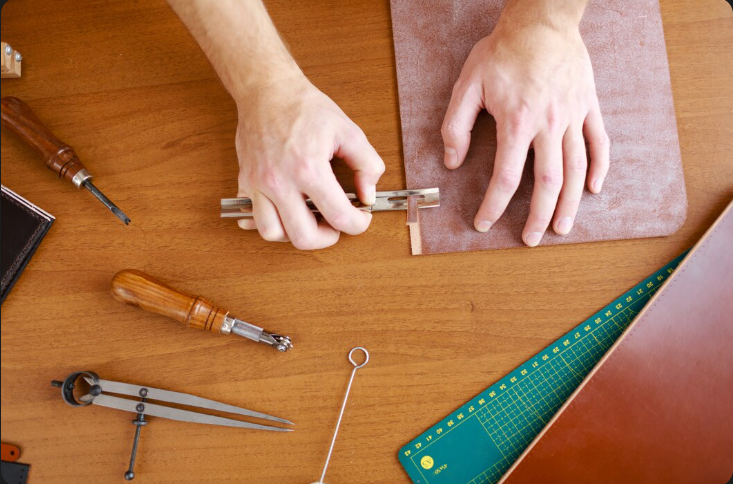
- Rotary hole punch – ideal for beginners and clean holes
- Drive punch set – commonly used by cobblers
- Hammer – basic but essential
- Thick nail – useful for emergency or DIY solutions
- Heated metal rod – traditional workshop method
- Power drill – helpful for bulk work
- Awl or sharp screwdriver – best for precision and stitching holes
Most of these tools are reusable, long-lasting, and cost-effective, making leather crafting accessible to almost everyone.
1. Using a Rotary Leather Hole Punch
This is the most beginner-friendly option among the 6 Simple Leather Hole Punch Techniques and is widely recommended for home users. A rotary leather hole punch looks like pliers with multiple hole sizes built into a rotating wheel. It’s easy to use and gives consistent results, even if you have no prior leatherworking experience.
Step-by-Step Method
- Rotate the wheel to select the required hole size
- Slide the leather piece between the punch jaws
- Align the punch carefully with the marking
- Apply firm, steady pressure until the hole is cleanly cut
💡 Tip: If the leather is thick, pressing slowly instead of suddenly helps create a neater hole.
Best Use Cases
- Belts (adjusting size or adding extra holes)
- Watch straps
- Soft to medium leather used in wallets or small bags
This tool is ideal for beginners who want professional-looking results without much effort.
2. Drive Punch and Hammer Technique
This is a traditional professional method, commonly used by cobblers and leather craftsmen across Pakistan. It’s especially effective for thick and tough leather.
How It Works
- Place the leather on a wooden block or thick cutting board
- Position the drive punch vertically on the marked spot
- Strike the punch firmly with a hammer
A single, strong hit usually works better than repeated light taps.
Safety Tips
- Always punch on wood, never on tiles or marble
- Keep fingers well clear of the striking area
- Wear safety glasses if available
This method is excellent for leather sandals, bags, and straps, where durability matters more than speed.
3. Nail and Hammer Method (Budget Hack)
This is a budget-friendly emergency solution, perfect when you don’t have proper tools available. Many people in Pakistan use this method for quick household repairs.
When to Use This Technique
- Emergency belt or strap repairs
- Thin leather only
- One-time or temporary projects
Simply place a thick nail on the marked spot and hammer it through the leather.
⚠️ While this method works, the holes may not be perfectly round, so it’s not recommended for premium or decorative leather items.
4. Heated Metal Rod Technique
This is an old-school workshop method still used by traditional leatherworkers. Instead of cutting the leather, heat melts a hole through it.
How It Works
- Heat a metal rod, nail, or screwdriver over a flame
- Press it gently into the leather at the desired spot
Precautions for Beginners
- Avoid overheating, as it can burn or harden the leather
- Work in a ventilated area to avoid fumes
- Practice on scrap leather first
This method seals the edges of the hole, making it durable and resistant to tearing—especially useful for thick leather straps.
5. Power Drill for Leather Holes
Surprisingly, a power drill can be effective if used carefully. This method is best suited for bulk or repeated work.
Drill Bit Selection
- Use small, sharp drill bits
- Drill at low speed to prevent tearing
- Place wood under the leather for support
⚠️ High speed or blunt bits can damage leather, so patience is key.
6. Awl or Sharp Tool Punching
This method is ideal for precision and hand-stitched leather projects. Instead of removing material, an awl pushes leather fibers apart.
Best for Precision Work
- Stitching holes for hand sewing
- Decorative or patterned designs
- Wallets and fine leather goods
Because the fibers are pushed rather than cut, the leather retains more strength over time, making it a favorite among skilled crafters.
Common Mistakes to Avoid
Even simple tools can cause problems if used incorrectly. Avoid these common errors:
- Punching leather without a solid base
- Using dull or rusty tools
- Applying uneven or rushed pressure
- Punching too close to the leather edge
Avoiding these mistakes ensures your 6 Simple Leather Hole Punch Techniques deliver clean, professional results every time.
Maintenance Tips for Clean Holes
Good tools last longer and perform better with proper care:
- Sharpen punches and awls regularly
- Clean punch tips after each use
- Store tools in a dry place to prevent rust
Proper maintenance not only improves results but also reduces effort and frustration during leatherwork.
Frequently Asked Questions (FAQs)
Conclusion
Mastering 6 Simple Leather Hole Punch Techniques gives you confidence, creativity, and control over your leather projects. Whether you’re a DIY enthusiast, small business owner, or hobbyist in Pakistan, these methods are practical, affordable, and effective.
Start with simple tools, practice patiently, and soon your leatherwork will look clean, strong, and professional—without spending a fortune.